Discover the city's most tranquil retreats using this London royal parks hidden gardens guide, which highlights secluded spots like the Kyoto Garden and Hampstead Hill Garden. These hidden green spaces offer a sustainable alternative for sightseeing, allowing visitors to explore unique local history and lush landscapes away from typical tourist crowds.
Navigating London can often feel like a battle against the relentless hum of traffic and the heavy press of crowds near major landmarks. Many visitors leave the city believing its beauty is confined to stone and steel; they miss the serene, secluded sanctuaries tucked away just behind the famous wrought-iron gates. As professional drivers who navigate these streets daily, we know that London’s true character is found in its quiet, horticultural retreats. This guide explores the hidden corners of the eight Royal Parks and the ancient medicinal history of the Chelsea Physic Garden. You will learn how to transition seamlessly between these green havens using a traditional Black Cab; we also provide expert advice on seasonal highlights and local secrets to help you craft a perfectly balanced city itinerary.
The Green Lung of London: Why the Capital is More Forest Than City
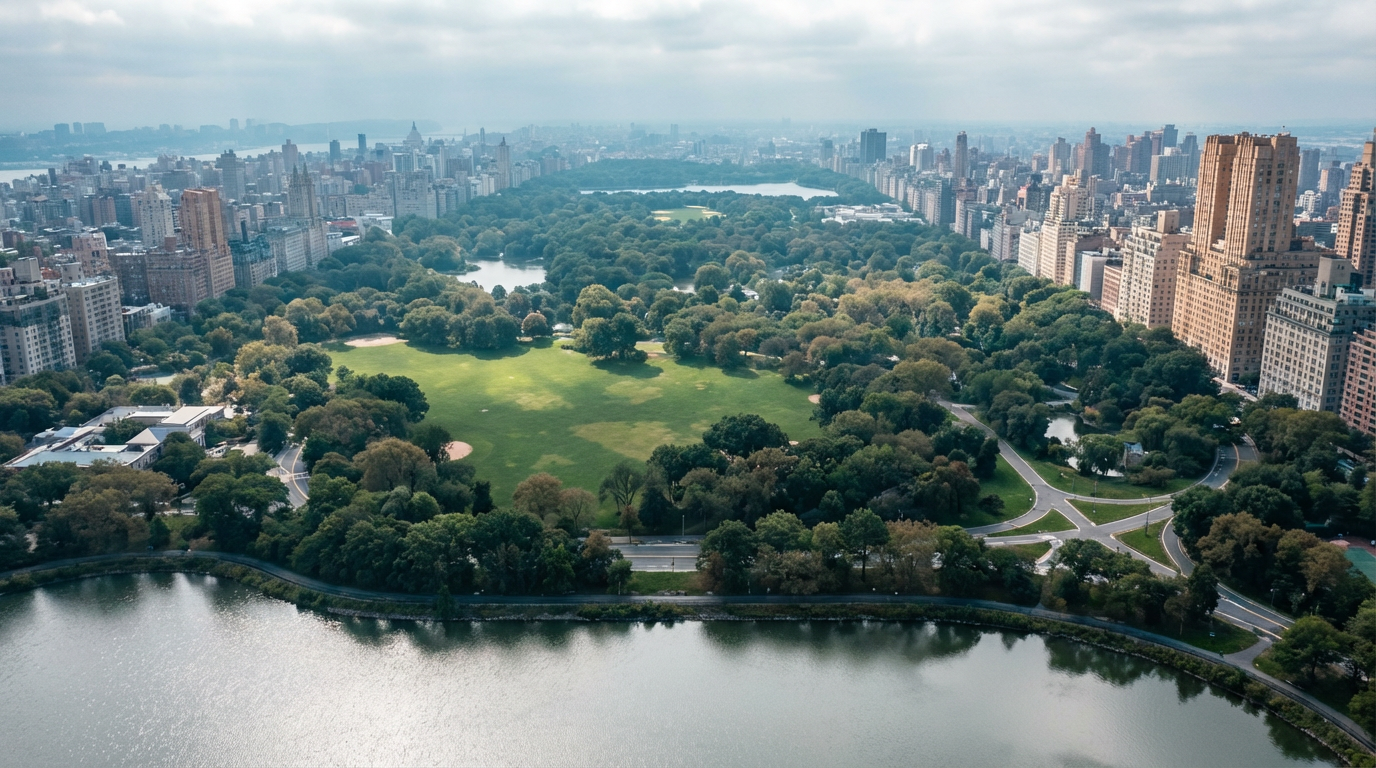
Visitors often ask how a global financial hub manages to feel so airy. The answer lies in a statistic that surprises even long-term residents: nearly 47 percent of London consists of green space. By United Nations standards, the capital is technically the world’s largest urban forest. This vast network of greenery is far more than just a collection of manicured lawns; it is a complex ecosystem of historic estates and secluded sanctuaries.
This London royal parks hidden gardens guide distinguishes between two very different environments. You have the sprawling majesty of the Royal Parks, former hunting grounds and playgrounds of monarchs. Alternatively, there are the pocket parks and hidden gardens, many of which were born from the ruins of the Blitz or medieval churchyards.
As a professional driver navigating these streets daily, I witness how these spaces provide a necessary breath for the city. At Tours and Terminals, we believe the best way to experience this landscape is through customizable history tours that look beneath the surface. We frequently recommend an airport transfer tour for guests arriving before their hotel check-in. Our airport pickups can lead directly into the quiet, ivy-draped corners of the city, providing a sophisticated and restorative introduction to London's natural heritage.
The Majesty of the Eight Royal Parks
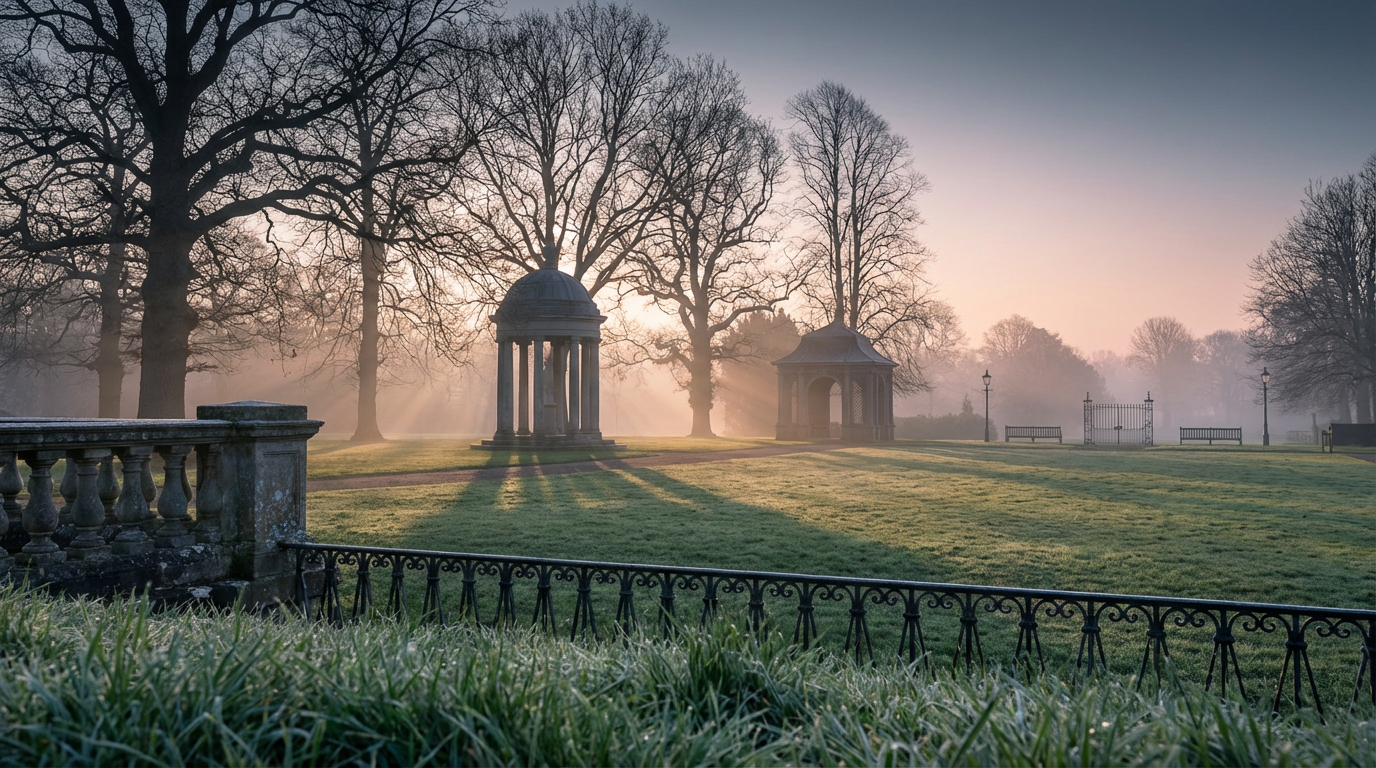
To understand London’s identity, one must first recognize the distinction between the eight Royal Parks. These are not merely public allotments; they are the inherited estates of the Crown, each possessing a distinct personality. When we design our customizable history tours, we often group these spaces by their historical function and landscape character to help passengers grasp their scale.
The Central Quad comprises St James’s Park, Green Park, Hyde Park, and Kensington Gardens. These parks form an almost unbroken chain through the heart of the West End. St James’s Park is the most ornamental, serving as the ceremonial backdrop to Buckingham Palace. It is here you will find the resident pelicans, a tradition dating back to a gift from a Russian Ambassador in 1664. Adjacent to it lies Green Park, notable for its lack of flowerbeds. Legend suggests Catherine of Braganza, wife of Charles II, ordered their removal after catching the King picking flowers there for another woman.
For those seeking the expansive feel of the English countryside within city limits, the Wilder Estates of Richmond and Bushy Park are unrivaled. Richmond Park, spanning 2,500 acres, is a National Nature Reserve. It remains home to roughly 600 wild red and fallow deer that have roamed the grounds since 1637. Navigating these vast perimeters is where the utility of a black cab becomes apparent. While athletes often frequent these paths for the Royal Parks Half Marathon, the sheer distance makes a private vehicle the most practical way to reach the quietest viewing spots without the physical toll of a ten mile trek.
The Elevated Landscapes of Greenwich and Regent’s Park offer layers of human history. Greenwich Park, a UNESCO World Heritage site, contains hidden Roman remains dating back to the 1st to 4th centuries AD, tucked away near the Royal Observatory. Regent’s Park is defined by the elegance of John Nash’s architecture and the fragrance of 12,000 roses in Queen Mary’s Gardens. This London royal parks hidden gardens guide views these sites not just as scenery, but as archives of royal preference and urban evolution. Each park offers a grand, established narrative that is best appreciated at a leisurely pace that allows the history to breathe.
Hidden Gardens of the City: Where History and Horticulture Meet
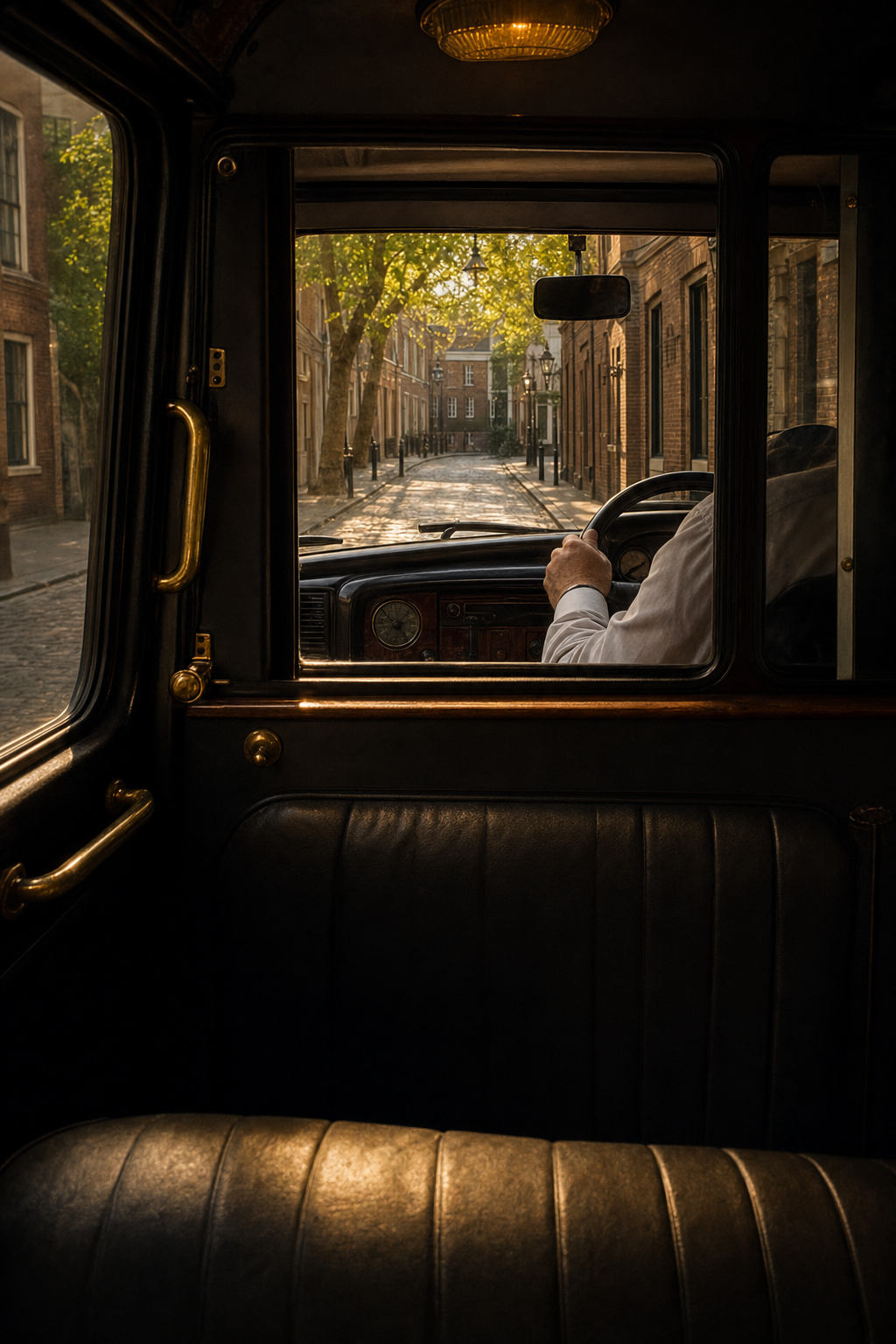
While the Royal Parks offer scale, the City of London contains intimate micro-sanctuaries known as pocket parks. This London royal parks hidden gardens guide reveals that some of the most profound experiences are found in these small gaps between glass skyscrapers. Many of these spaces exist because of the Blitz; the aerial bombardments of 1941 left voids in the urban fabric that the city chose to fill with flora rather than new concrete.
St Dunstan in the East is perhaps the most evocative of these sites. Located halfway between the Tower of London and London Bridge, this 12th century church was largely destroyed during World War II, leaving only the tower and steeple designed by Sir Christopher Wren. Today, it is a public garden where climbing hydrangeas and Virginia creeper wind through gothic window frames. The atmospheric shift is immediate. One moment you are navigating the heavy traffic of Lower Thames Street; the next, you are standing in a roofless nave where the only sound is the fountain and the rustle of leaves against ancient stone.
Further north, near St Paul’s Cathedral, lies Postman’s Park. This site is home to the Watts Memorial to Heroic Self-Sacrifice, a Victorian gallery of glazed Doulton tablets commemorating ordinary people who died saving others. It offers a poignant, quiet contrast to the nearby financial district. For those interested in deeper layers of time, Cleary Garden near Mansion House provides a multi-level experience. Built upon the site of a Roman bath house and later a medieval cellar, its terraces now host vines and aromatic herbs.
At Tours and Terminals, we often include these stops in our customizable history tours. Because these gardens are tucked away in narrow lanes, they are easily missed by those on foot. Arriving by black cab allows you to step directly from the modern bustle into these historic ruins. For passengers on an airport transfer tour, these quiet corners offer a restorative pause, allowing the jet lag to fade as you sit among the ruins of the old city.
The Chelsea Physic Garden and Medicinal History
Moving from the accidental ruins of the City to the intentional design of Chelsea, the Chelsea Physic Garden offers a more academic approach to London’s flora. Established in 1673 by the Worshipful Society of Apothecaries, this site was originally a training ground where apprentices learned to identify plants that could heal or harm. It is the second oldest botanical garden in England; its location on the banks of the Thames allows for a sheltered microclimate where rare species, including the largest outdoor fruiting olive tree in Britain, continue to thrive.
Unlike the sprawling Royal Parks, this four acre walled sanctuary is meticulously divided into beds by medicinal use and botanical family. The Pharmaceutical Garden and the Garden of World Medicine provide a structured narrative on how humanity has relied on nature for survival. In this London royal parks hidden gardens guide, we highlight this location as the premier destination for those seeking an educational depth not found in the open commons. We often incorporate a visit here into our customizable history tours for guests who desire a focused look at Britain's scientific past. For passengers utilizing our airport pickups, a detour to this riverside enclave provides a serene, restorative introduction to the city's quieter side while waiting for a hotel room to become available.
How to Visit London's Green Spaces by Black Cab
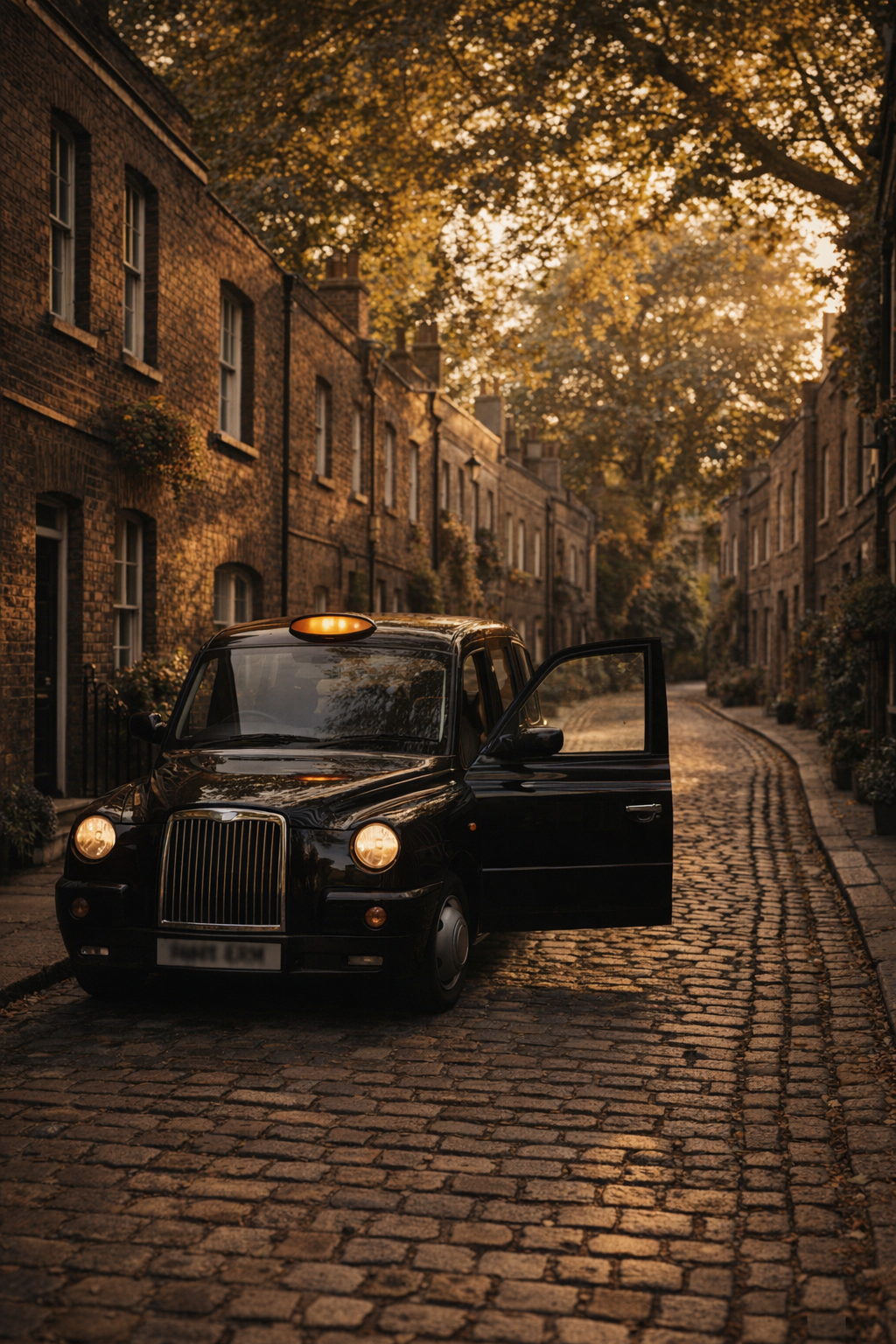
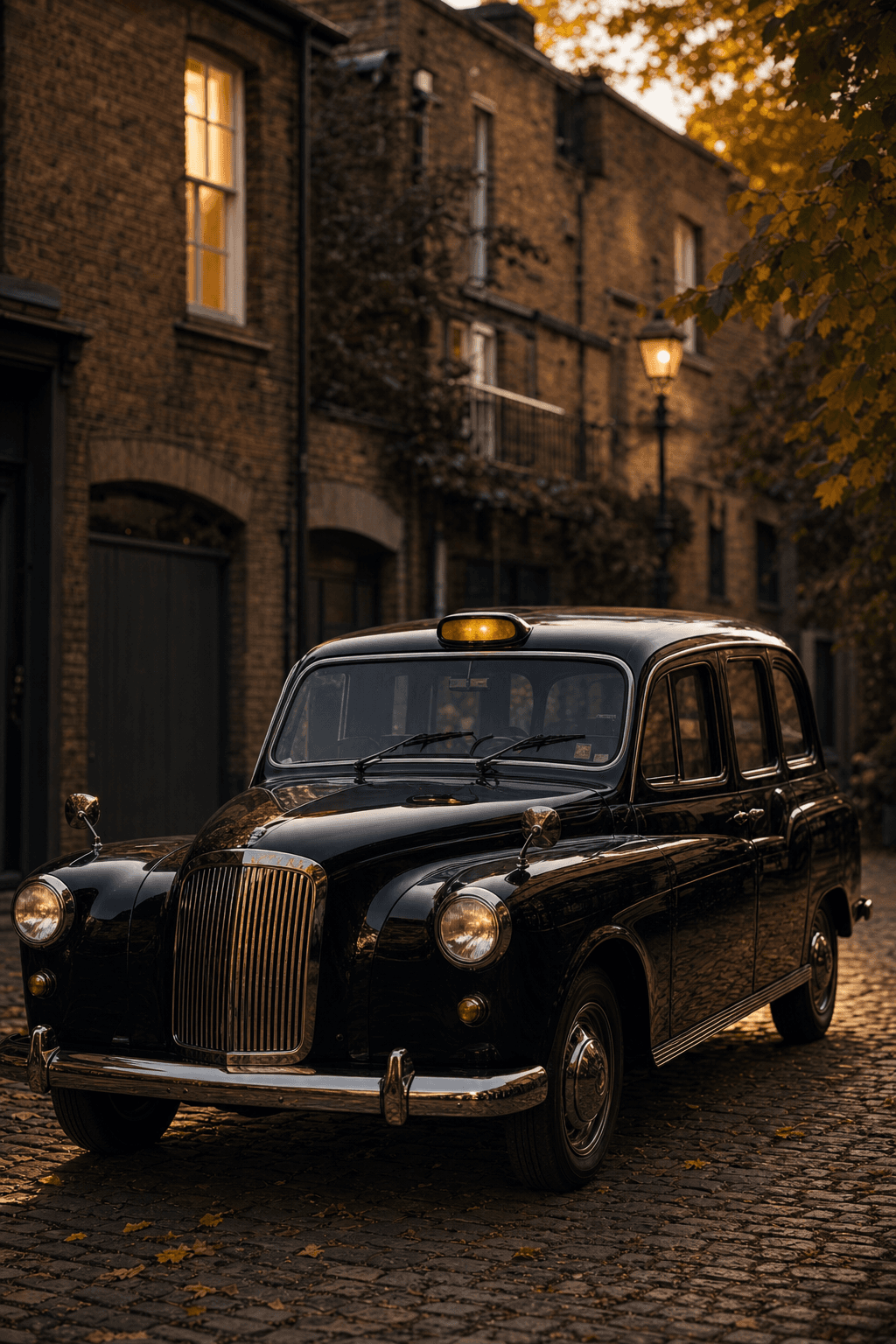
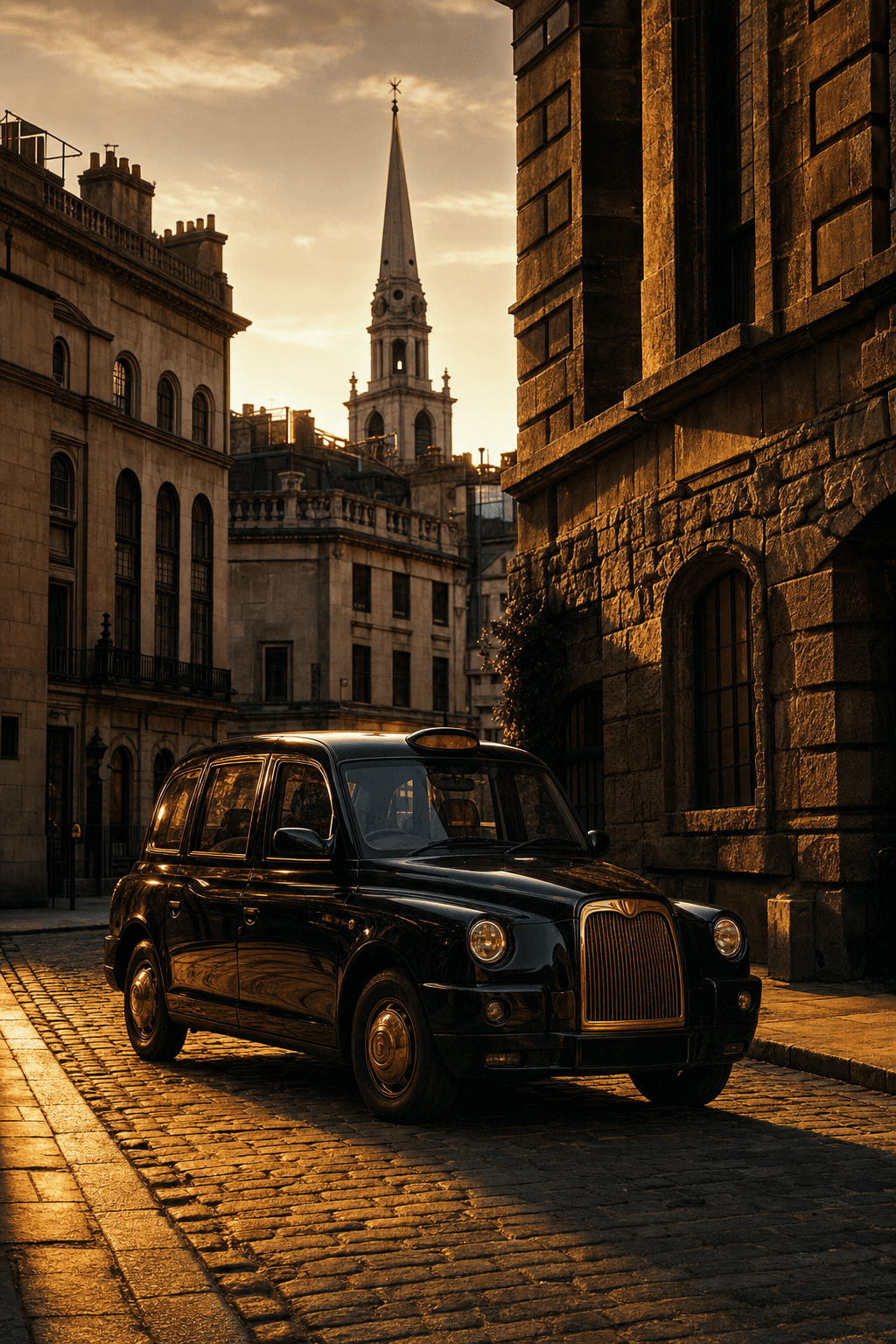
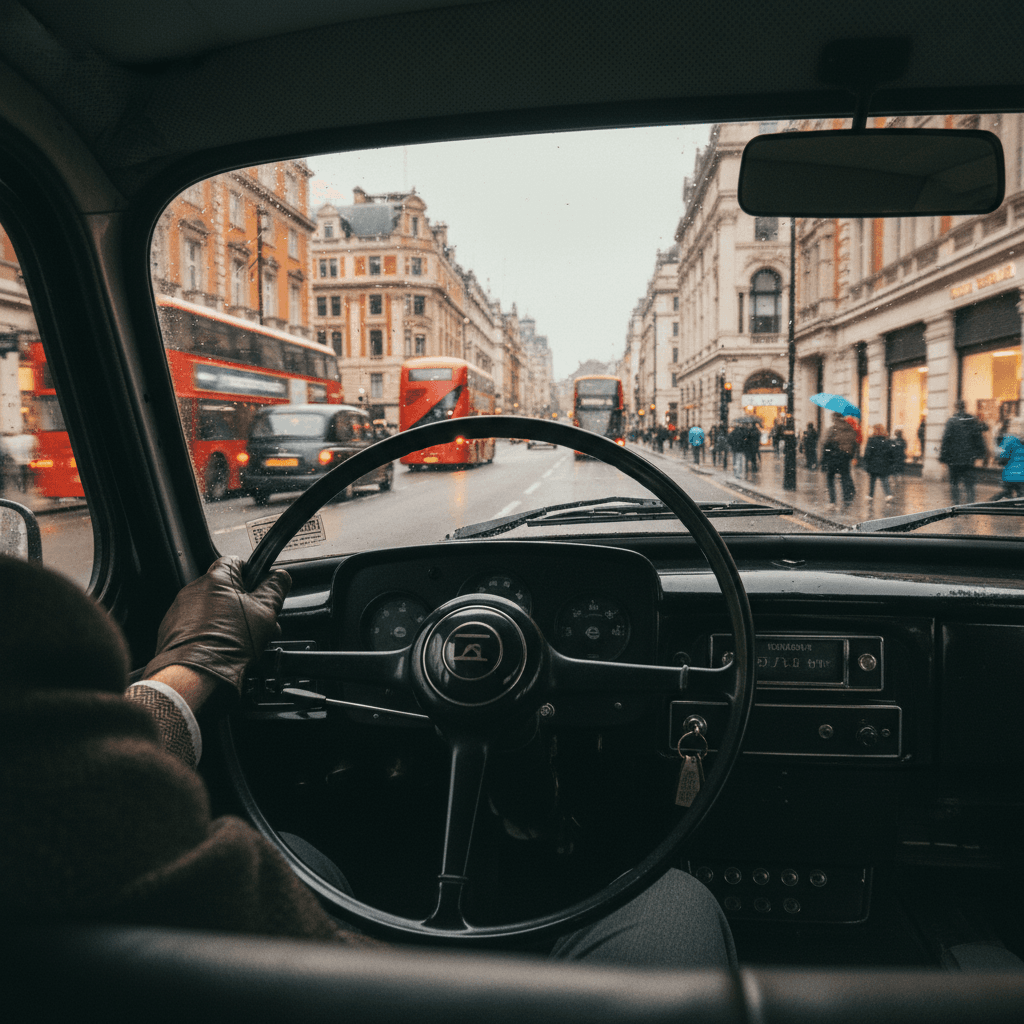
Navigating the distance between these disparate sanctuaries requires a strategic approach that public transport often fails to provide. While the Royal Parks are expansive, the smaller pocket parks and botanical gardens are scattered across different postcodes. Moving from the manicured borders of St James’s Park in the West to the gothic ruins of St Dunstan in the East involves crossing several miles of dense urban landscape. A traditional black cab is uniquely suited for this itinerary; we utilize the city’s bus lanes to bypass congestion, ensuring you spend your time under a canopy of trees rather than in a subterranean tunnel.
This logistical efficiency is the foundation of our Arrive and Explore concept. Many international flights arrive at Heathrow in the early morning, frequently hours before hotel rooms are ready for check-in. Instead of waiting in a lobby with your luggage, an airport transfer tour transforms those middle hours into a curated experience. Your bags remain secure in the spacious compartment of the cab while you enjoy the fresh air of a historic garden, which is a proven method for mitigating the effects of jet lag.
Our customizable history tours are designed to bridge these geographical gaps seamlessly. During our airport pickups, we often suggest a route that connects the quietest corners of the city, allowing for a restorative introduction to the capital. By choosing a private vehicle, you gain the flexibility to spend twenty minutes in a hidden medieval churchyard or an hour in a Royal Park without being beholden to a rigid bus schedule. This approach ensures this London royal parks hidden gardens guide remains a practical tool for discovery rather than just a list of distant locations.
Seasonal Highlights: When to See London in Bloom
To maximize the utility of this London royal parks hidden gardens guide, one must consider the temporal nature of the city's flora. Each month offers a distinct visual palette that rewards repeat visitors.
Season | Primary Highlight | Featured Location |
|---|---|---|
Spring (April) | Cherry Blossoms | Greenwich Park (Avenue near Ranger's House) |
Summer (June) | Peak Rose Season | Queen Mary's Gardens, Regent's Park |
Autumn (October) | Golden Foliage and Deer Rut | Richmond Park and Bushy Park |
Winter (February) | Early Snowdrops and Evergreens | Chelsea Physic Garden and St Dunstan in the East |
Spring arrivals on an airport transfer tour should prioritize the cherry blossoms in Greenwich. The avenue of trees creates a temporary, pink vaulted ceiling that rivals the city's stone cathedrals. As summer takes hold in June, the fragrance in Queen Mary's Gardens becomes almost intoxicating; it is an ideal stop for passengers on our customizable history tours seeking a sensory experience.
By October, the focus shifts to the Wilder Estates. The ancient oaks of Richmond Park turn a deep amber, providing a textured background for the resident deer. Even in the depths of winter, our airport pickups reveal the stark beauty of the City’s pocket parks. The frost on the ruins of St Dunstan in the East highlights the contrast between medieval masonry and resilient greenery, proving that London’s urban forest remains a year round destination.
Local Tips for Your Green Space Itinerary
Visit the City’s pocket parks, such as Postman’s Park or the Barber-Surgeons' Physic Garden, on weekdays. While the local workforce is at their desks, these historic sites remain remarkably silent for explorers.
Bring a camera for the Kyoto Garden in Holland Park. Its tiered waterfalls and stone lanterns offer a unique, photogenic contrast to the capital's traditional brickwork.
Prioritize Primrose Hill for skyline photography. It offers the most impressive perspective of how the urban forest integrates with the modern architecture of the City.
Incorporate these specific spots into customizable history tours to bypass typical midday tourist crowds.
If you are utilizing airport pickups for an airport transfer tour, these local insights ensure your first hours in the UK are spent in the most serene environments. This London royal parks hidden gardens guide prioritizes these practical, driver-led advantages.
London’s Royal Parks are much more than just lawns and trees; they are quiet sanctuaries filled with centuries of heritage. Discovering these hidden pockets allows you to experience the city as a local would. While exploring on foot is rewarding, these expansive grounds can be difficult to navigate alone. If you want expert help uncovering the best-kept secrets of the capital, a London History Tour is an excellent way to see it all. Our knowledgeable drivers ensure your journey is both informative and relaxing.