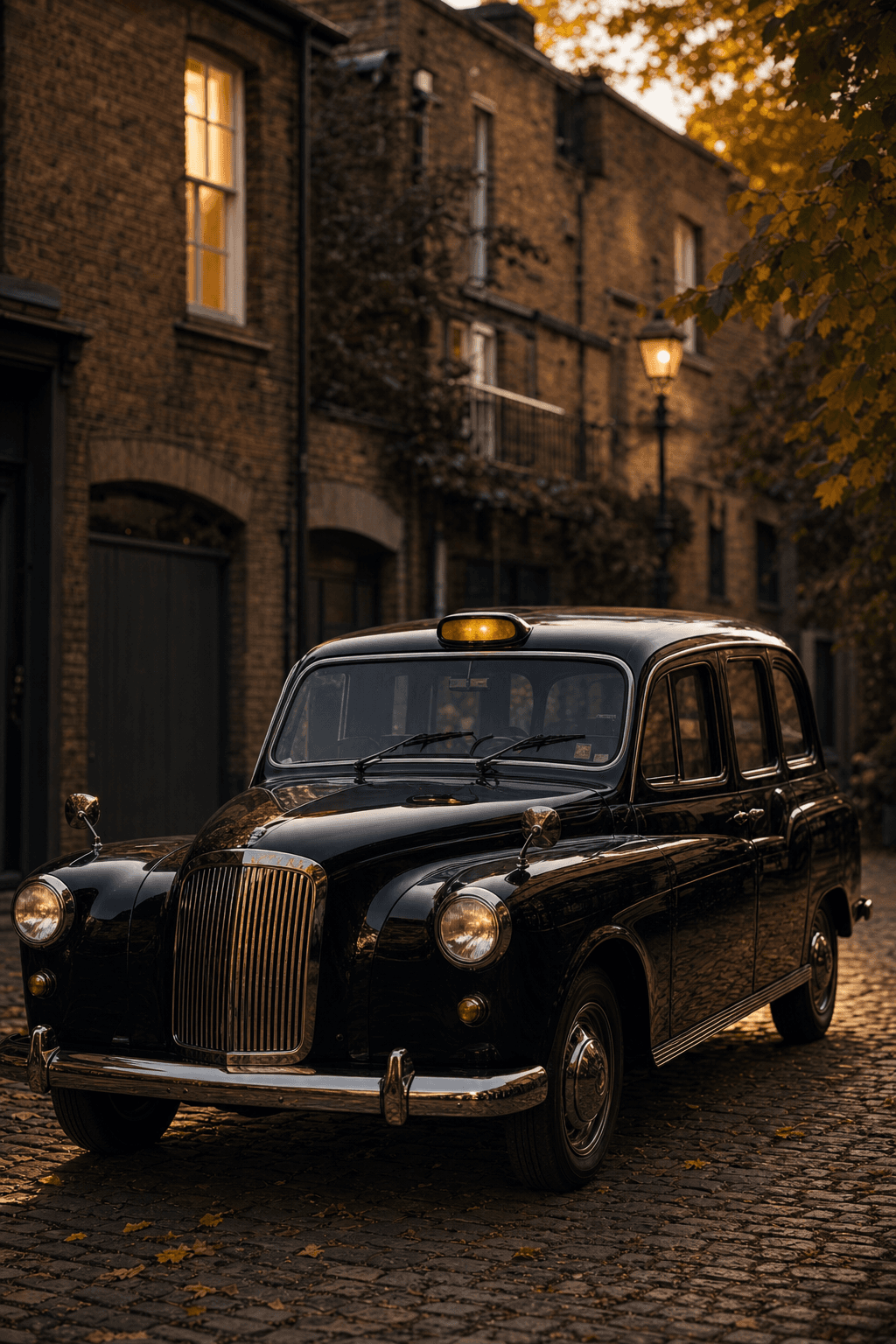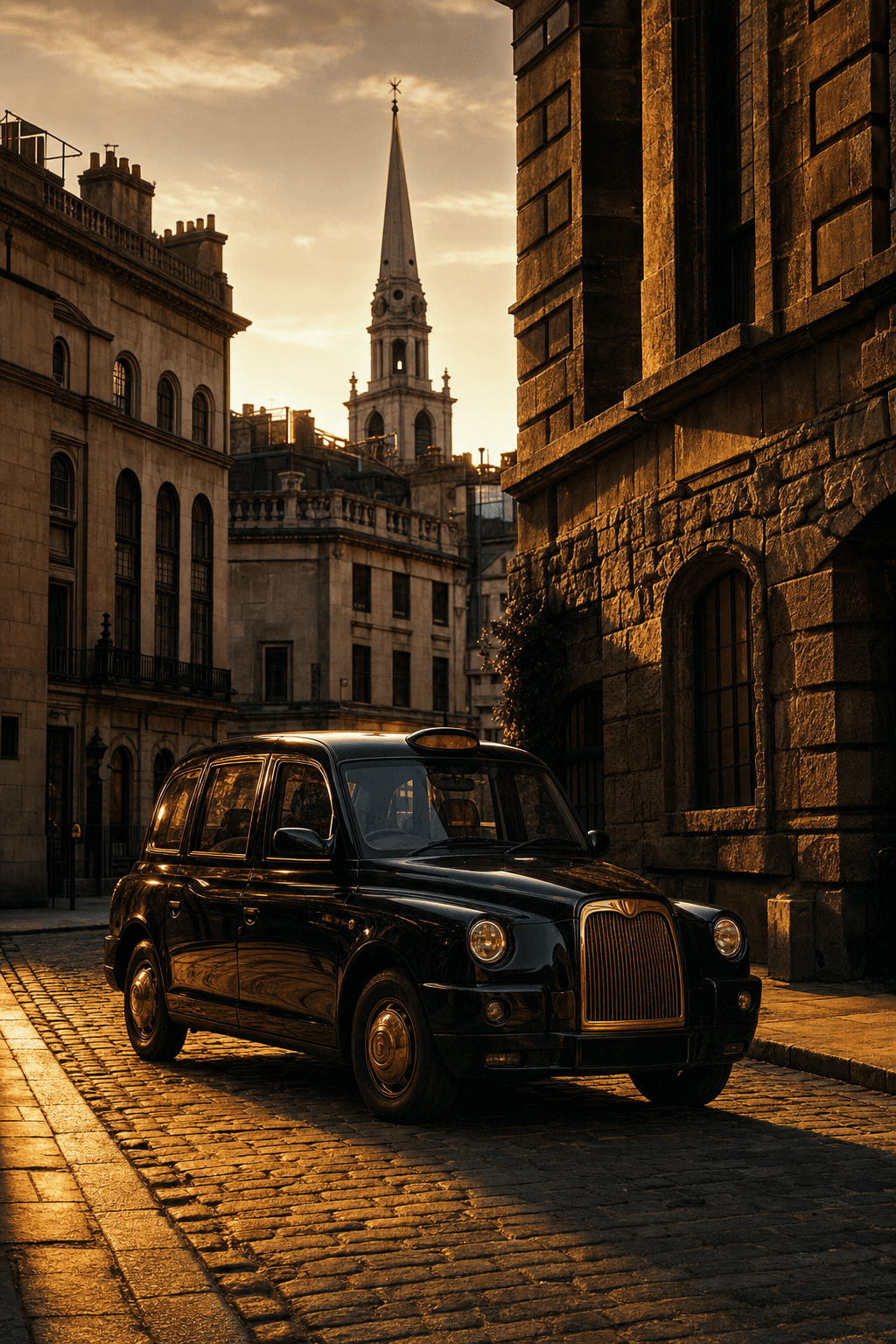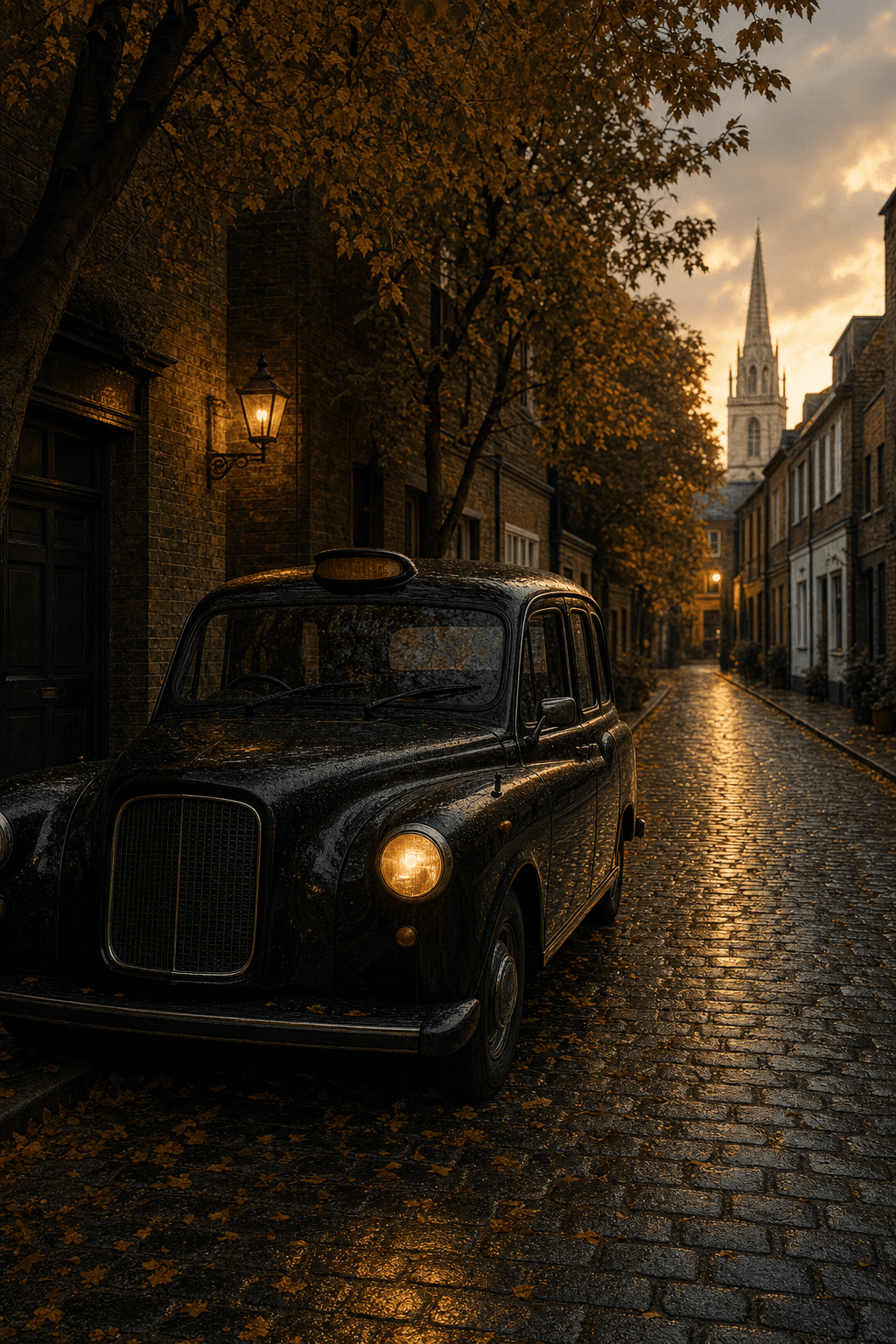
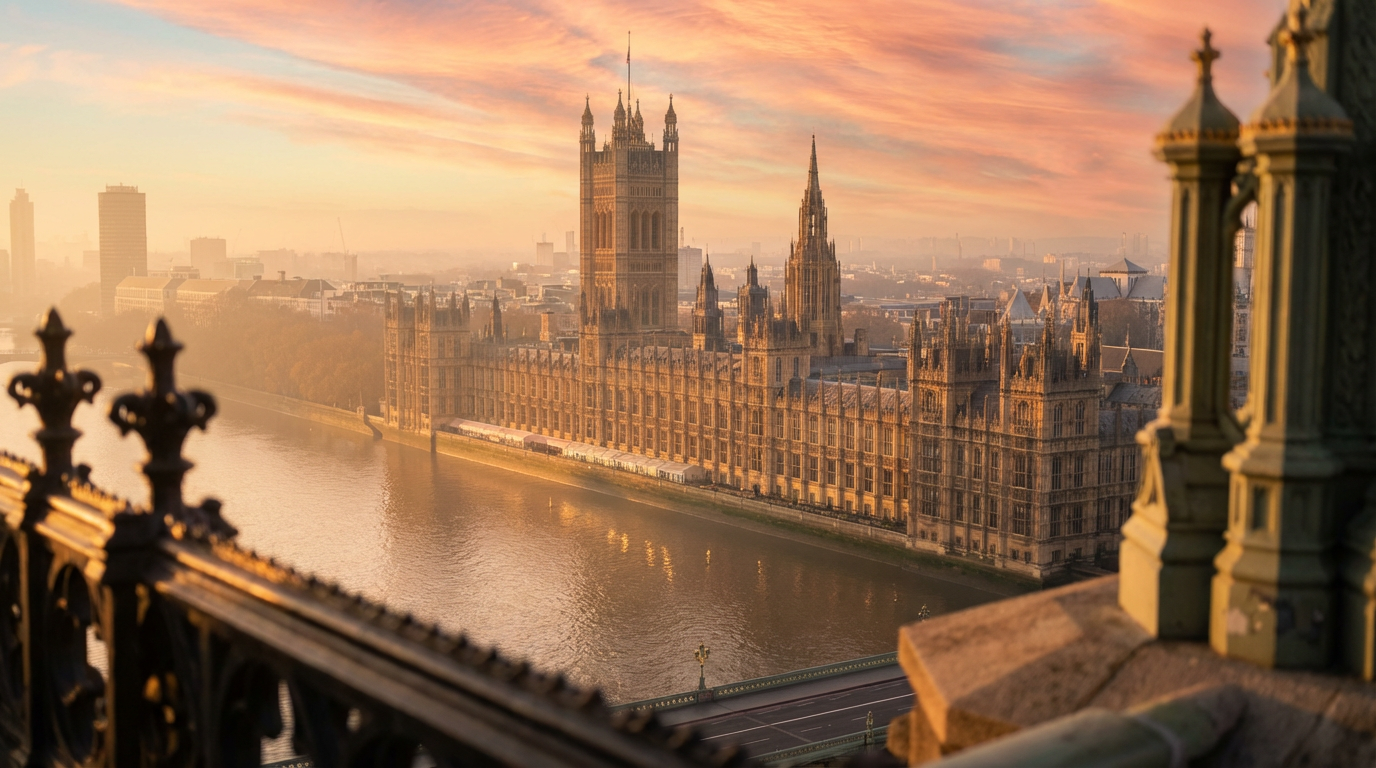
A Greenwich black cab tour offers an exclusive and chauffeured journey through London's seafaring history, visiting major sites such as the Old Royal Naval College and the Cutty Sark. Led by knowledgeable local drivers, these private excursions provide door-to-door service and historical context that is perfect for seeing the maritime borough's top landmarks in just a few hours.
Navigating the sprawling borough of Greenwich often presents a logistical challenge for the discerning traveler. While the DLR and river bus offer scenic routes, they often leave you navigating steep hills and crowded footpaths far from the main landmarks. This inefficiency wastes precious hours that should be spent admiring the Painted Hall or standing on the Prime Meridian. A private black cab tour transforms this experience by offering door to door access to the borough’s maritime secrets. You will avoid the exhaustion of public transit while gaining the insights of a driver who knows every shortcut through the historic streets. In this guide, we explore the essential stops from the Cutty Sark to the Royal Observatory; we also explain how to seamlessly integrate this cultural excursion into your airport transfer, ensuring your journey through London remains as sophisticated as the destinations themselves.
Why a Greenwich Black Cab Tour is the Ultimate Way to Explore
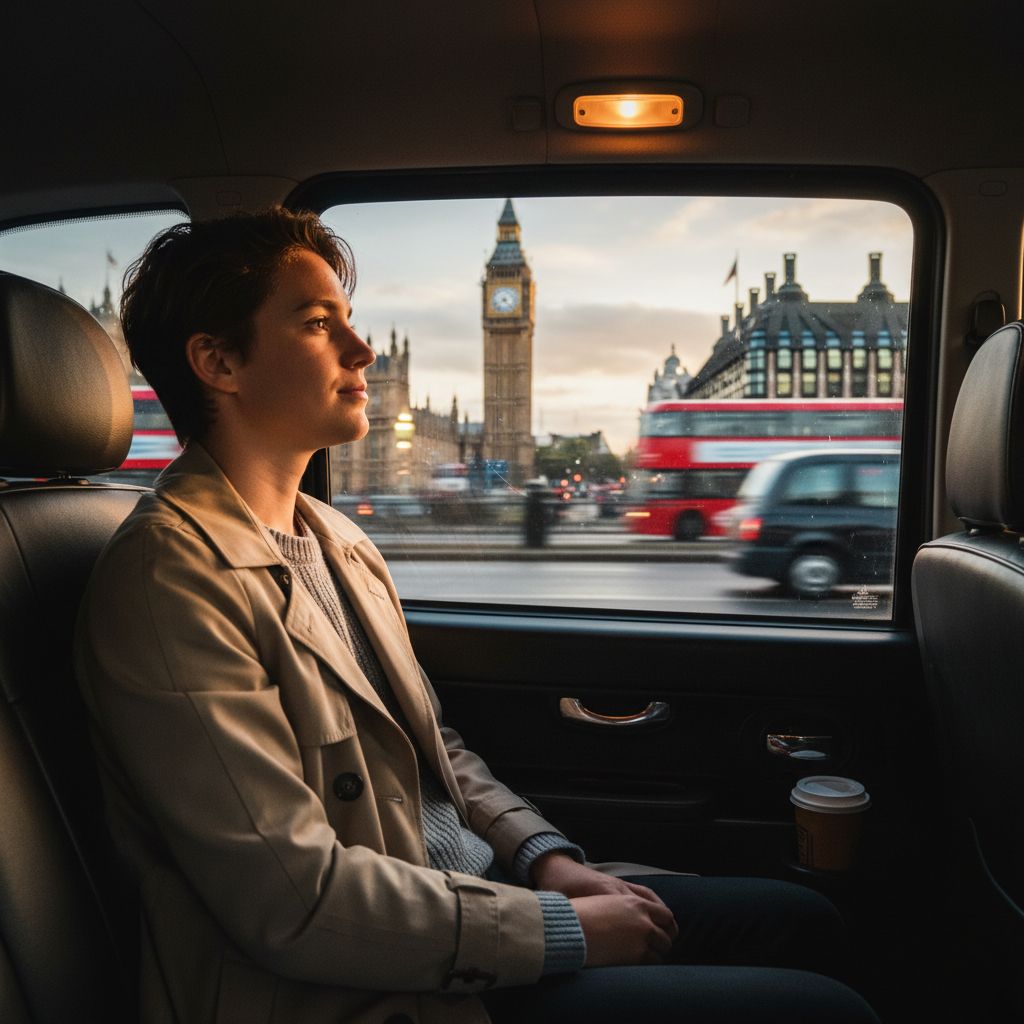
Navigating how to get to Greenwich from London often leads visitors toward the Docklands Light Railway or the river bus. While these routes have their merits, they involve fixed schedules and significant walking from stations to the actual heritage sites. A Greenwich black cab tour offers a more refined, door-to-door alternative. The journey from Central London through the East End and the historic Docklands becomes an integral part of the experience, as your driver provides a narrative on the evolution of Wapping, Limehouse, and the Isle of Dogs that you simply cannot get from a train window.
Efficiency is the primary driver for many of our clients. If you are operating on a tight schedule, bypassing the queues at the pier saves valuable time. For those with mobility needs or families with young children, the logistical ease of a private vehicle is unmatched. Greenwich is notoriously hilly; the ascent from the riverside Cutty Sark to the Royal Observatory at the top of Greenwich Park is a steep climb that can be taxing. A black cab has the unique advantage of being able to navigate these park roads, delivering you directly to the Meridian Line without the physical strain.
This personalized approach allows you to focus on the landmarks rather than the logistics. By integrating this journey into a broader London History Tour, you transform a simple transit into a curated exploration of the capital’s maritime past. You arrive at the gates of the Old Royal Naval College refreshed and ready to explore, rather than tired from the commute.
The Cutty Sark: Boarding the World's Fastest Tea Clipper
Adjacent to the college grounds sits the world’s only surviving tea clipper, a vessel that once defined the era of global commerce. Standing directly beneath the Cutty Sark provides a perspective unique in maritime preservation. As you walk through the dry dock, the vast, copper-clad hull looms above, a testament to Victorian engineering designed for the feverish tea trade of the 19th century. Launched in 1869, it was one of the last and fastest clippers, built to shave days off the journey from China. Its survival is a story of adaptability; when the Suez Canal opened to steamships, rendering sailing vessels obsolete for tea, the Cutty Sark found new life in the Australian wool trade, setting records that stood for decades.
From the perspective of a driver, the visual impact of the ship is best captured before you even step inside. I often suggest a brief pause near the riverside end of King William Walk for a specific vantage point. Here, the historic masts and intricate rigging are framed perfectly against the modern, glass skyline of Canary Wharf across the Thames. It is a striking juxtaposition that highlights the theme of our London History Tour. This approach avoids the most congested pedestrian zones and allows you to appreciate the ship’s scale as part of the broader cityscape before your Greenwich black cab tour continues toward the Royal Park.
Wren's Masterpiece: The Old Royal Naval College and the Painted Hall
Walking just a few hundred yards from the Cutty Sark brings you to the gates of the Old Royal Naval College, a site that represents the pinnacle of English Baroque architecture. Designed by Sir Christopher Wren with significant contributions from Nicholas Hawksmoor, the twin domed buildings are a masterclass in scale and balance. One of the most fascinating aspects of the layout is the deliberate gap between the King William and Queen Mary Buildings. This was a specific demand from Queen Mary II, who insisted that the view of the River Thames from the Queen’s House in the park remained unobstructed. This vista, known as the Queen's View, remains one of the most protected and photographed perspectives in London.
Inside, the Painted Hall offers an experience often described as the Sistine Chapel of the UK. Completed by Sir James Thornhill in the early 18th century, the ceiling and walls are covered in 40,000 square feet of intricate storytelling that celebrates British maritime prowess and the royal house. The sheer volume of detail can be overwhelming, so taking a moment to sit and look upward is essential to appreciate the technical skill involved in the perspective paintings.
For fans of cinema and television, the grounds are instantly recognizable. The college serves as a frequent stand-in for Buckingham Palace or 19th-century Paris, appearing in major productions like The Crown and Les Misérables. During a London History Tour, I can often identify specific courtyards and colonnades used for these famous scenes. Your Greenwich black cab tour provides the perfect vantage point to appreciate the grand symmetry of the site before we head toward the Royal Park, ensuring you understand the architectural politics that shaped this riverside masterpiece.
Time and Space: The Royal Observatory and the 1pm Time Ball
Leaving the riverside architecture behind, your Greenwich black cab tour climbs the steep incline of Greenwich Park to reach the Royal Observatory. This ascent is where the benefit of a private vehicle is most apparent, as it bypasses the strenuous walk that often leaves visitors breathless before they even reach the gate.
At the summit, visitors often ask what happens at 1pm in Greenwich. If you are positioned outside Flamsteed House shortly before the hour, you will witness a historic maritime tradition. The process follows a specific sequence:
12:55 pm: The bright red time ball rises halfway up its mast.
12:58 pm: The ball reaches the very top of the mast.
1:00 pm: The ball drops to the bottom.
This visual signal was established in 1833 to allow captains anchored on the Thames to synchronize their marine chronometers. It occurs at 1 pm rather than noon because the astronomers were traditionally occupied with solar observations at midday.
Inside the courtyard, you can stand directly on the Prime Meridian Line, the Longitude 0 marker that divides the Eastern and Western Hemispheres. This site is the legacy of John Flamsteed, the first Astronomer Royal, appointed by King Charles II to map the stars for safer sea navigation. The view from this vantage point is arguably the best in the capital. Standing at the historical center of global time, you look down over the 17th-century Queen’s House toward the vertical steel and glass of Canary Wharf. It is a stark, beautiful contrast between the seafaring past and the financial present, making it an essential stop on a London History Tour.
Hidden Greenwich: The Mayflower Pub and the Foot Tunnel
Beyond the primary landmarks, a Greenwich black cab tour offers the flexibility to discover sites often overlooked by standard tour buses. One such hidden gem is The Mayflower pub in nearby Rotherhithe. While many visitors assume the Pilgrims began their journey in Plymouth, the ship actually took on its first passengers and captain right here in 1620. Because we operate in traditional taxis, we can easily navigate the narrow, cobblestone streets of Rotherhithe to pause at this historic inn, which remains the only pub licensed to sell US postage stamps.
Returning toward the Cutty Sark, your driver can drop you at the entrance of the Greenwich Foot Tunnel. Opened in 1902, this cast iron and brick lined passage runs directly beneath the riverbed. It is a remarkable piece of Victorian engineering that connects Greenwich to the Isle of Dogs. The atmosphere underground is distinct from the bustling streets above, offering a cool, quiet perspective on the scale of the Thames.
These atmospheric detours highlight the value of a London History Tour that is not bound by a rigid schedule. Incorporating a quick walk through the tunnel or a view of the Rotherhithe wharf ensures the itinerary remains entirely bespoke. For those arriving directly from the airport, these smaller stops offer a gentle introduction to the city during your Arrive and Explore experience before completing your Airport Transfers to the hotel.
A Perfect Greenwich Day Trip Itinerary
To make the most of a four to six hour Greenwich black cab tour, a structured approach ensures you see the primary landmarks without succumbng to fatigue. I recommend beginning at the National Maritime Museum around 10:00 AM. Many visitors ask: how long should you spend at the Maritime Museum? While the collections are vast, a focused 60 to 90 minute visit is sufficient for a day trip. This allows enough time to view the most significant artifacts, specifically Admiral Nelson’s Trafalgar coat, complete with the fatal bullet hole, while leaving room for the rest of the borough’s history.
Around midday, transition toward the historic center for lunch. Greenwich Market is a short walk or a very quick drive from the museum gates. It is renowned for its artisan food stalls, offering everything from traditional British pies to contemporary global fusion. The market’s Victorian roof provides shelter in unpredictable weather, and the surrounding independent boutiques are excellent for finding unique items that avoid typical souvenir tropes.
Time | Location | Focus |
|---|---|---|
10:00 | National Maritime Museum | Nelson’s Trafalgar Coat and Great Map |
11:30 | Old Royal Naval College | The Painted Hall and Grounds |
12:30 | Greenwich Market | Artisan Lunch and Local Crafts |
14:00 | Royal Observatory | Prime Meridian and Panoramic Views |
For the afternoon, your driver will navigate the ascent to the Royal Observatory. Positioning this later in the day often results in shorter queues for the Meridian Line photo and provides a stunning backdrop as the afternoon sun hits the Canary Wharf skyline. This itinerary remains entirely flexible; as part of a London History Tour, we can adjust timings if you wish to spend longer in the Arrive and Explore phase of your trip.
Arrive and Explore: Combining Greenwich with Your Airport Transfer
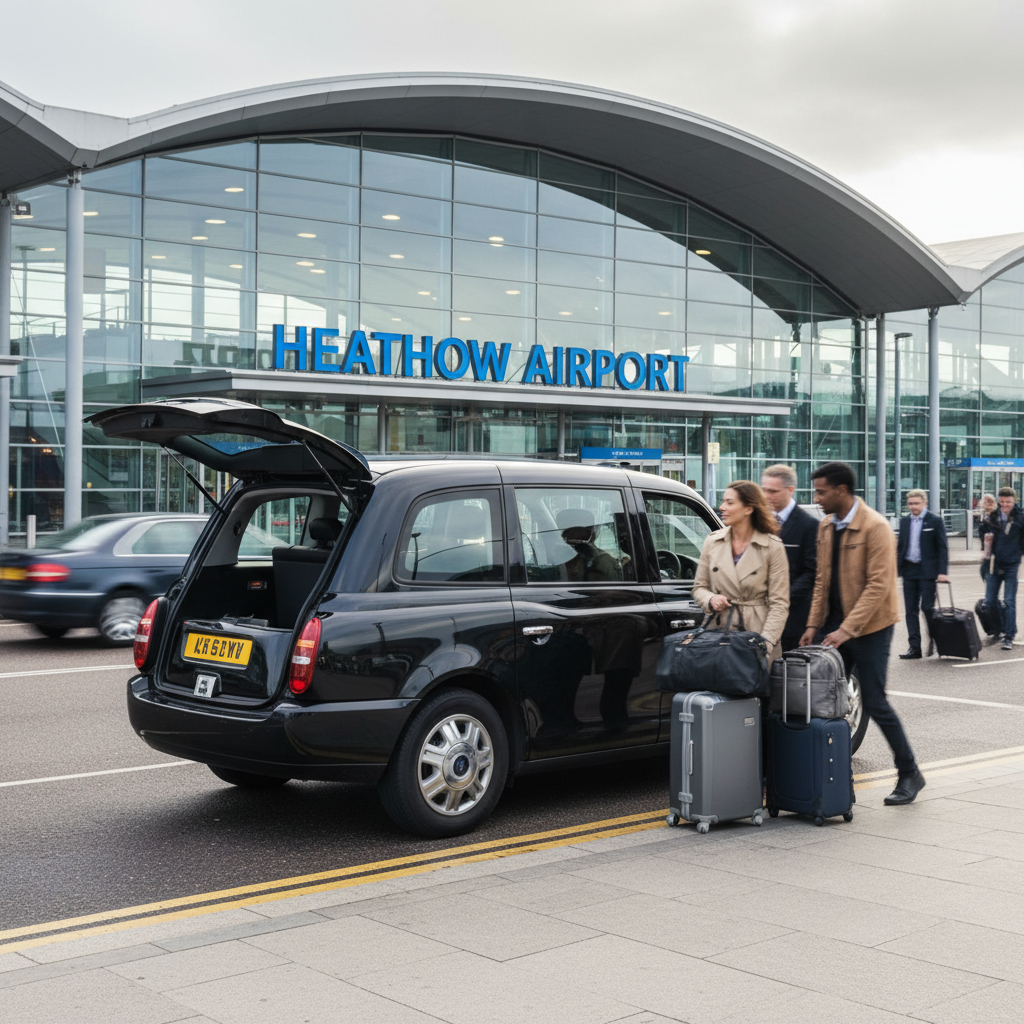
International flights frequently arrive at Heathrow or Gatwick in the early morning, often leaving travelers with a five or six hour gap before their hotel room is ready. A Greenwich black cab tour serves as a strategic solution to these limbo hours. Rather than waiting in a lobby or navigating the Underground while fatigued, you can transition directly from your flight into a curated London History Tour.
Traditional black cabs are purpose built for both utility and comfort. They accommodate up to six passengers and provide ample floor space for large suitcases, which eliminates the need for expensive baggage storage or multiple vehicle transfers. By selecting an Arrive and Explore itinerary, you transform a standard commute into a productive introduction to the capital. Your driver manages the navigation and the security of your belongings while you enjoy the maritime air of Greenwich Park or the architecture of the Old Royal Naval College.
Once the tour concludes and your check in time approaches, we provide a seamless drop off at your hotel door. This integration of Airport Transfers and sightseeing ensures your arrival in London is defined by historic discovery rather than logistical frustration. It is a practical way to combat jet lag while making the most of your first day in the UK.
Exploring Greenwich provides a unique window into Britain's maritime legacy, combining architectural splendor with centuries of naval history. While the borough is rich with individual landmarks, seeing them all through the lens of a local guide truly brings the stories to life. If you want expert help planning your visit or navigating the city's many heritage sites, our team is ready to facilitate a seamless experience. Joining a London History Tour is an excellent way to deepen your understanding of this fascinating area while discovering other historic corners of the city.