The best things to do in London when it rains include exploring world-class museums like the British Museum, catching a West End musical, or wandering through historic covered markets. Visitors can also stay dry by enjoying traditional afternoon tea, relaxing in a historic pub, or discovering the indoor greenery of the Barbican Conservatory.
Few things disrupt a carefully planned itinerary quite like the sudden, grey veil of a London downpour. You find yourself trapped beneath a narrow shop awning or navigating the crowded, humid labyrinth of the Underground while clutching a dripping umbrella. It is a frustrating experience that can quickly dampen the spirit of your visit. However, London is a city built for the rain, provided you have the right strategy for door to door transport. In this guide, we share our expert recommendations for the finest indoor museums, historic covered markets, and refined afternoon tea spots. You will discover how to remain perfectly dry and sophisticated within the comfort of a traditional black cab. From practical packing advice to curated routes for families, we ensure that the weather never dictates the quality of your London experience.
Why the London Rain is Better from a Black Cab
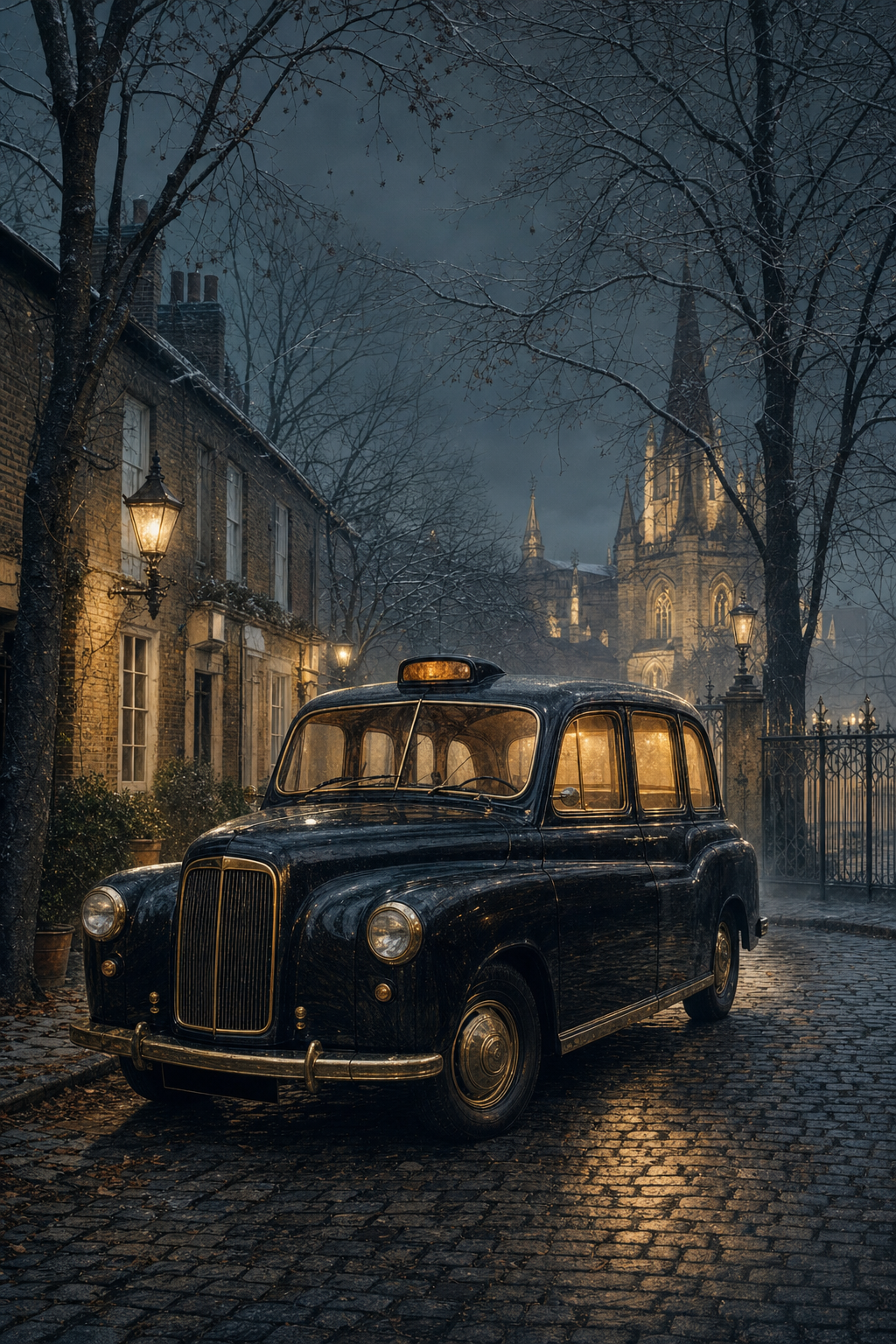
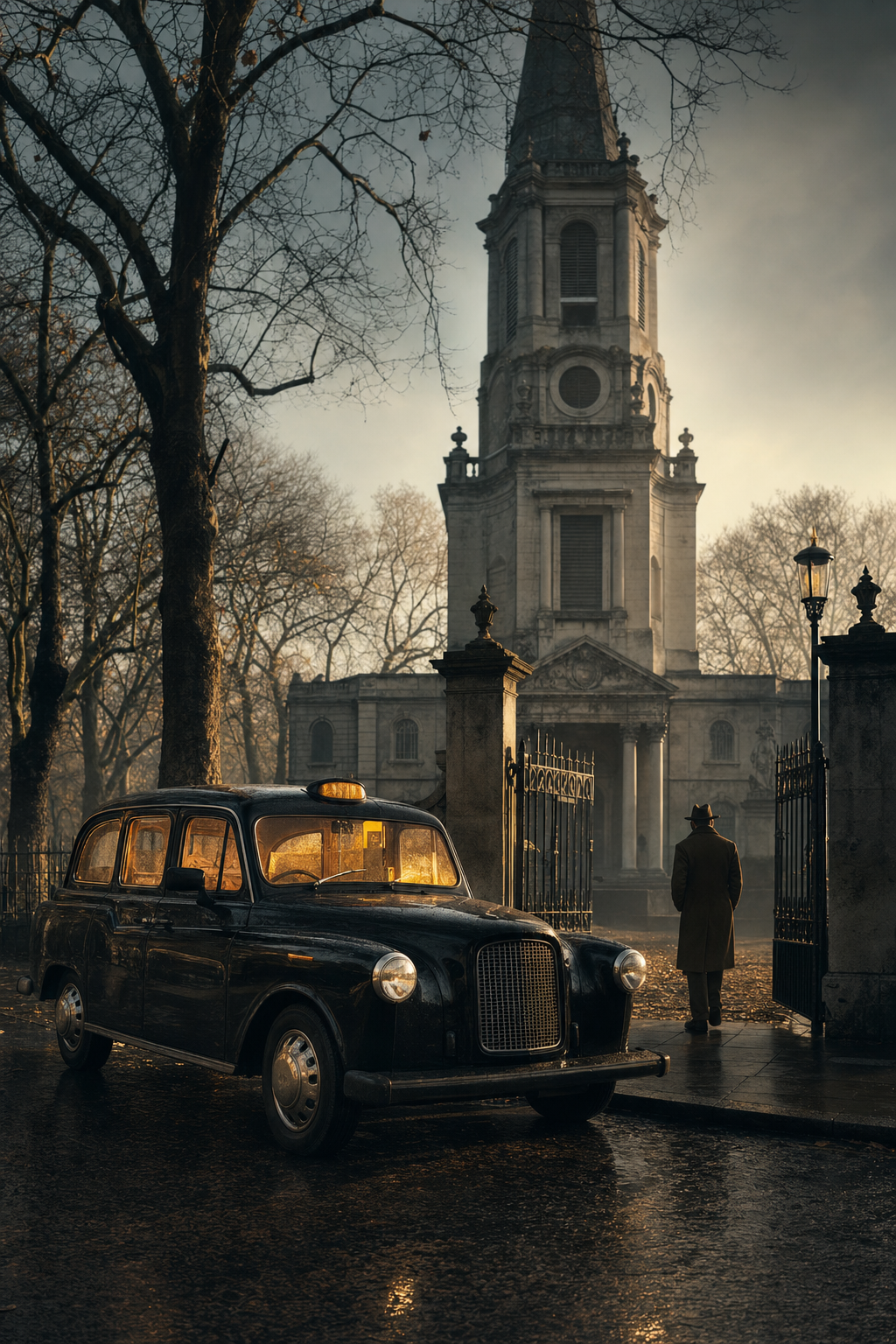
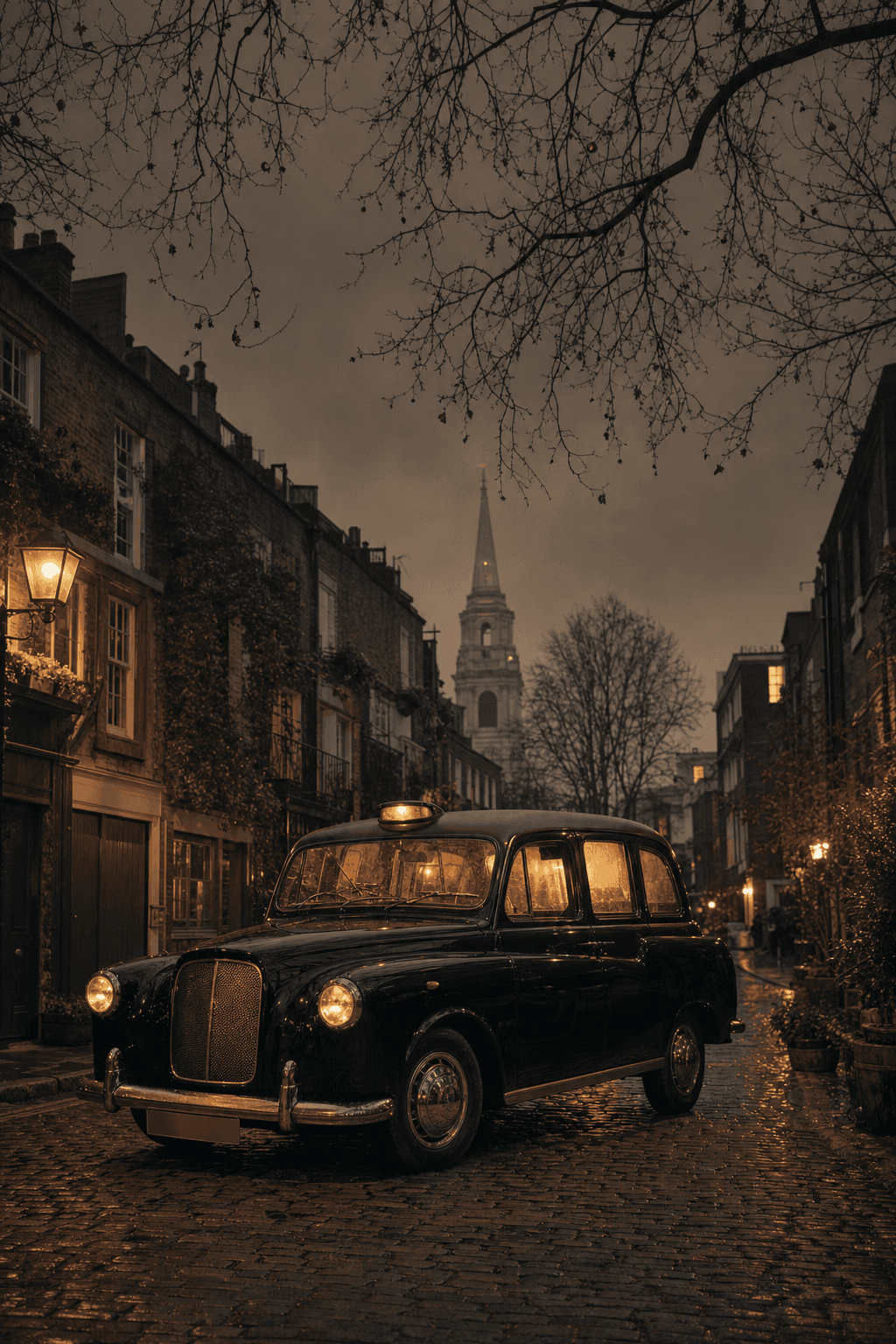
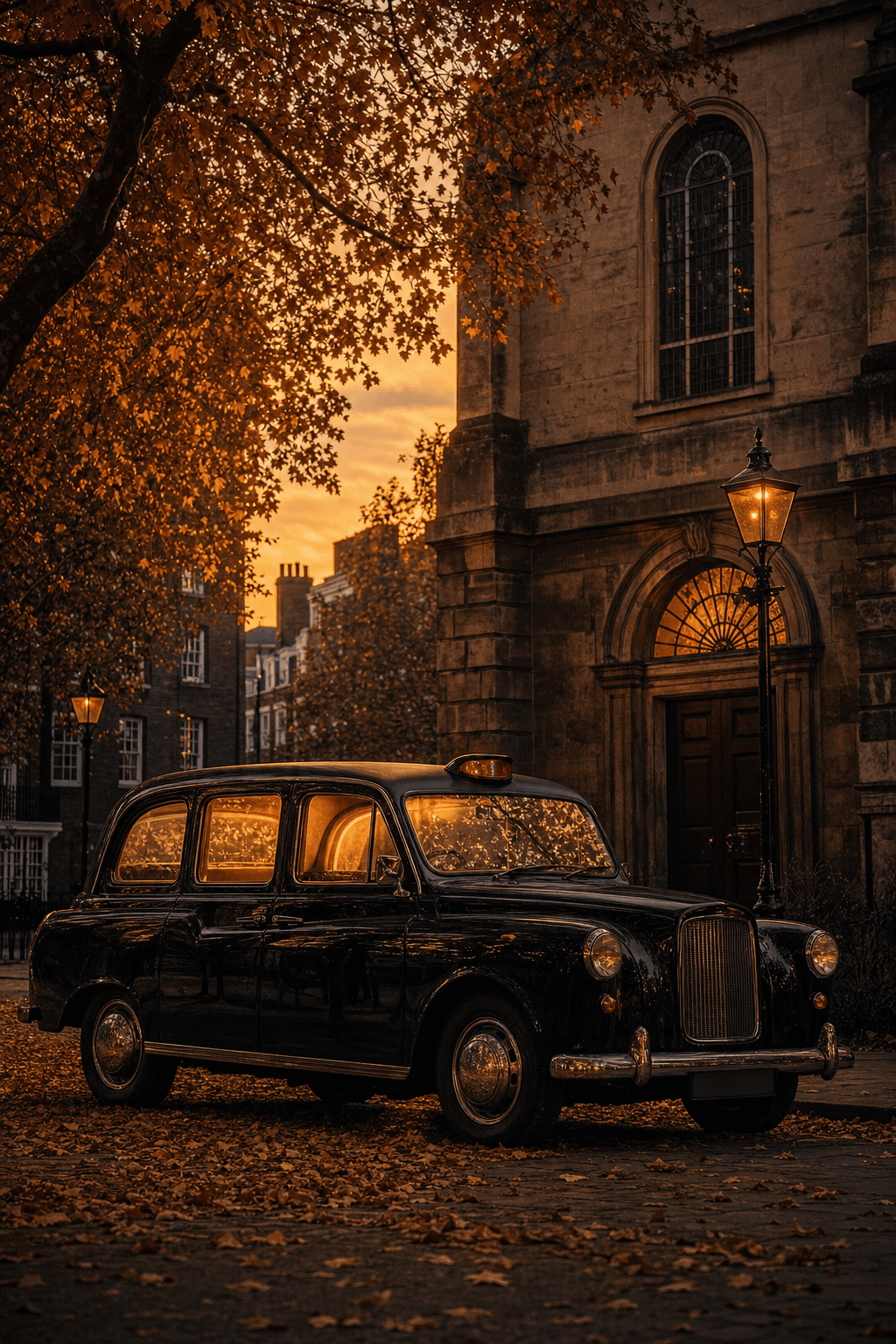
London’s reputation for gray skies is well earned, but a bit of precipitation should not mean spending your holiday trapped in a hotel lobby. The secret to navigating the city during a downpour is viewing the vehicle as more than just transport; a traditional black cab functions as a moving umbrella. While many guides suggest retreating to the Underground, the reality of the Tube on a rainy day often involves humid stations, damp crowds, and the inevitable struggle of navigating stairs with wet footwear. Stepping from a doorway directly into a climate controlled cabin avoids the wind tunnels that claim so many umbrellas on London’s street corners.
For travelers with limited mobility, families managing strollers, or those carrying high end shopping bags from Bond Street, door to door service is a necessity rather than a luxury. You avoid the soak that occurs during the walk between a station exit and your final destination. Beyond the practical protection from the elements, these journeys transform transit into an experience. Our customizable history tours utilize the driver’s extensive knowledge of the capital, meaning the time spent traveling between landmarks becomes an insightful narrative of the streets passing by your window. Even standard airport pickups can be upgraded to include a scenic loop of the city, allowing you to see the sights while staying perfectly dry. The rain creates a unique, reflective atmosphere in the capital, and there is no better vantage point than the elevated, comfortable seat of a London taxi.
Top Indoor Museums and How to Arrive in Style
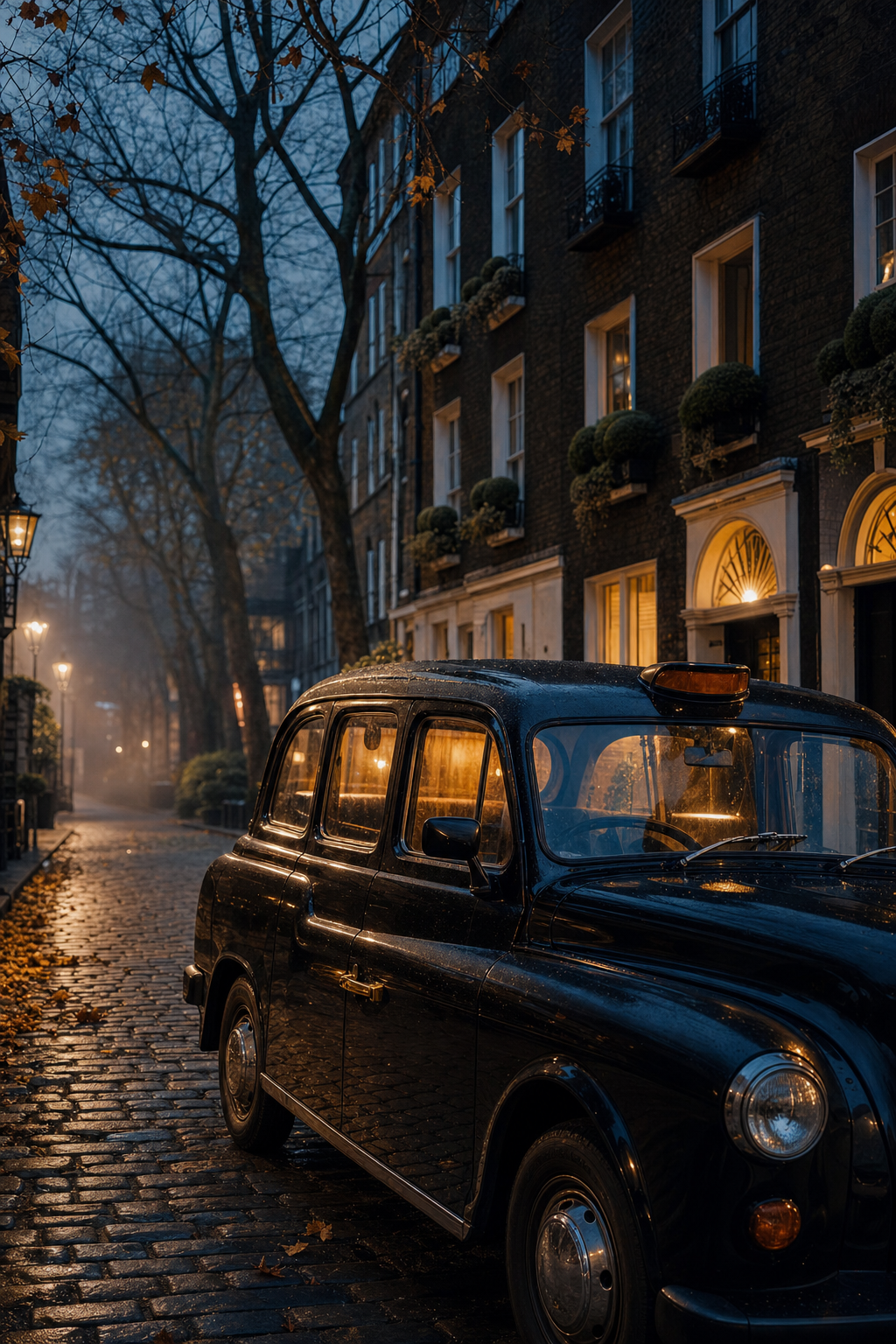
Transitioning from the dry interior of a vehicle into the expansive halls of a world class gallery should be effortless. London’s primary cultural hub, the "Big Three" in South Kensington, provides the most robust itinerary for a wet afternoon. The Natural History Museum, the Victoria and Albert Museum (V&A), and the Science Museum are situated in a cluster that allows for hours of exploration without leaving the indoors.
While public transport users often find themselves navigating the long, humid pedestrian tunnel from South Kensington station, a black cab offers a superior logistical advantage. Your driver can drop you directly on Exhibition Road or at the Cromwell Road entrance, placing you mere steps from the door. This is particularly beneficial for the V&A, where the sheer scale of the sculpture and textile galleries makes it one of the best things to do in London when it rains. You can effectively lose yourself in centuries of design history while the storm passes outside.
In Bloomsbury, the British Museum presents a similar benefit. The iconic glass roof of the Great Court creates a bright, airy sanctuary even on the gloomiest days. Arriving via cab allows you to be dropped at the main gates on Great Russell Street, avoiding the blustery walk from Holborn or Tottenham Court Road stations. If you are seeking an unusual thing to do in London when it rains away from the primary tourist trails, the Wallace Collection in Manchester Square is an expert recommendation. Housed in a grand historic townhouse rather than a sprawling institution, it offers a more intimate, quiet atmosphere. The transition from the street into the velvet lined rooms of Hertford House feels like stepping into a private residence, providing a warm refuge that larger galleries cannot replicate. This refined approach to sightseeing ensures your energy is spent on the exhibits rather than battling the elements.
Historic Covered Markets and Luxury Arcades
While museums offer a stationary retreat, London’s historic covered markets allow you to enjoy the city’s architectural grandeur without the constant use of an umbrella. Leadenhall Market, located in the heart of the City, is perhaps the most visually striking example. Its ornate Victorian roof and cobbled floors provided the backdrop for Diagon Alley in the Harry Potter films. It offers a rare opportunity to appreciate 14th century market history in a space that feels entirely outdoors despite being fully shielded from the clouds.
In the West End, the Apple Market in Covent Garden serves as a vibrant alternative to rain soaked high streets. The glass canopy preserves the atmosphere of the original fruit and vegetable market, allowing you to browse handmade crafts and antiques while street performers entertain from the dry lower floor. For those seeking a more refined experience, the Burlington Arcade near Piccadilly is an essential stop. This high end shopping precinct, guarded by the traditionally uniformed Beadles, is one of the most sophisticated things to do in London when it rains.
The logistics are particularly convenient for our passengers; a driver can drop you at the Piccadilly entrance and navigate to the Burlington Gardens exit to meet you at the other end. This ensures a seamless transition back into the warmth of the cab after a leisurely stroll through the boutique shops. Including these stops in customizable history tours allows you to see the city's commercial heritage without ever stepping into a puddle.
Things to Do in London When It Rains with Kids
Navigating the capital with children requires an extra layer of logistical foresight, especially when the pavement is slick and the wind picks up. When searching for things to do in London when it rains with a younger audience, the Science Museum in South Kensington remains a premier choice. Beyond the static displays, the interactive zones, specifically the Wonderlab, provide a high energy environment where children can engage with physics and chemistry while staying completely sheltered. Similarly, the London Transport Museum in Covent Garden offers a hands-on experience where kids can climb aboard historic buses and trains. This is a particularly convenient stop as it sits right on the edge of the covered market area.
The primary barrier for families on rainy days is often the transition between a station and the museum entrance. Maneuvering a stroller through a downpour while trying to shield a toddler is a recipe for a stressful morning. This is where the design of the traditional black cab becomes an essential tool for parents. Unlike standard passenger cars or the Underground, the spacious interior of a London taxi allows most strollers to be wheeled directly into the cabin without being folded. This prevents the struggle of collapsing wet equipment while holding a child, keeping the family dry and the gear functioning.
A cab provides a private, quiet buffer between high stimulation attractions. Our customizable history tours can be paced to suit nap times or snack breaks, ensuring the children remain calm and warm. By utilizing a door to door service, you eliminate the damp, shivering wait at a bus stop or platform, allowing the family to transition from the museum floor to a warm, dry seat in seconds.
Afternoon Tea: The Quintessential Rainy Day Refuge
The transition from a blustery, gray sidewalk into the golden glow of a historic dining room is one of the most rewarding ways to spend a wet afternoon. Traditional afternoon tea is a staple among things to do in London when it rains, offering a stationary, multi hour indulgence that allows the weather to pass unnoticed. Iconic institutions such as The Ritz, Fortnum & Mason’s Diamond Jubilee Tea Salon, and The Wolseley provide an atmosphere of timeless permanence that contrasts sharply with the damp streets outside.
Practicality often dictates style when traveling, but these venues frequently require a level of dress that does not pair well with heavy waterproof gear or sensible trekking boots. Arriving via black cab ensures you maintain your afternoon tea best attire. You can step directly onto the doorstep of your chosen establishment without your hair becoming wind swept or your clothing getting spotted by the rain. For those on customizable history tours, a stop for tea can be seamlessly integrated into the day. Your driver can drop you at the entrance of a grand Piccadilly establishment and be ready for your departure once the scones and finger sandwiches have been cleared, providing a sophisticated, climate controlled bridge between these luxury environments.
What to Wear in London When It Rains: A Practical Packing Guide
Preparing your wardrobe for the British climate requires a shift in perspective. Londoners recognize that the weather is rarely a deluge; it is more often a persistent, fine mist or a sharp, passing shower. When packing for things to do in London when it rains, the most effective strategy is the use of breathable, light layers paired with a water-resistant trench or lightweight mac. Heavy umbrellas often prove cumbersome on crowded sidewalks and are prone to structural failure in the wind tunnels surrounding historic architecture.
Opting for a door to door vehicle allows you to prioritize style over heavy duty utility gear. Because you are avoiding the standing water and damp platforms of the Underground, you do not need industrial strength waterproof boots. Instead, select versatile footwear that is comfortable for several hours of walking through a museum or gallery. Treated leather shoes or classic Chelsea boots provide ample protection for the short distance between the cab and the doorway while remaining appropriate for our customizable history tours or a formal dinner. This approach ensures you remain warm and dry without looking like you are prepared for a mountain hike.
Turn Your Arrival Into a Rainy Day Tour
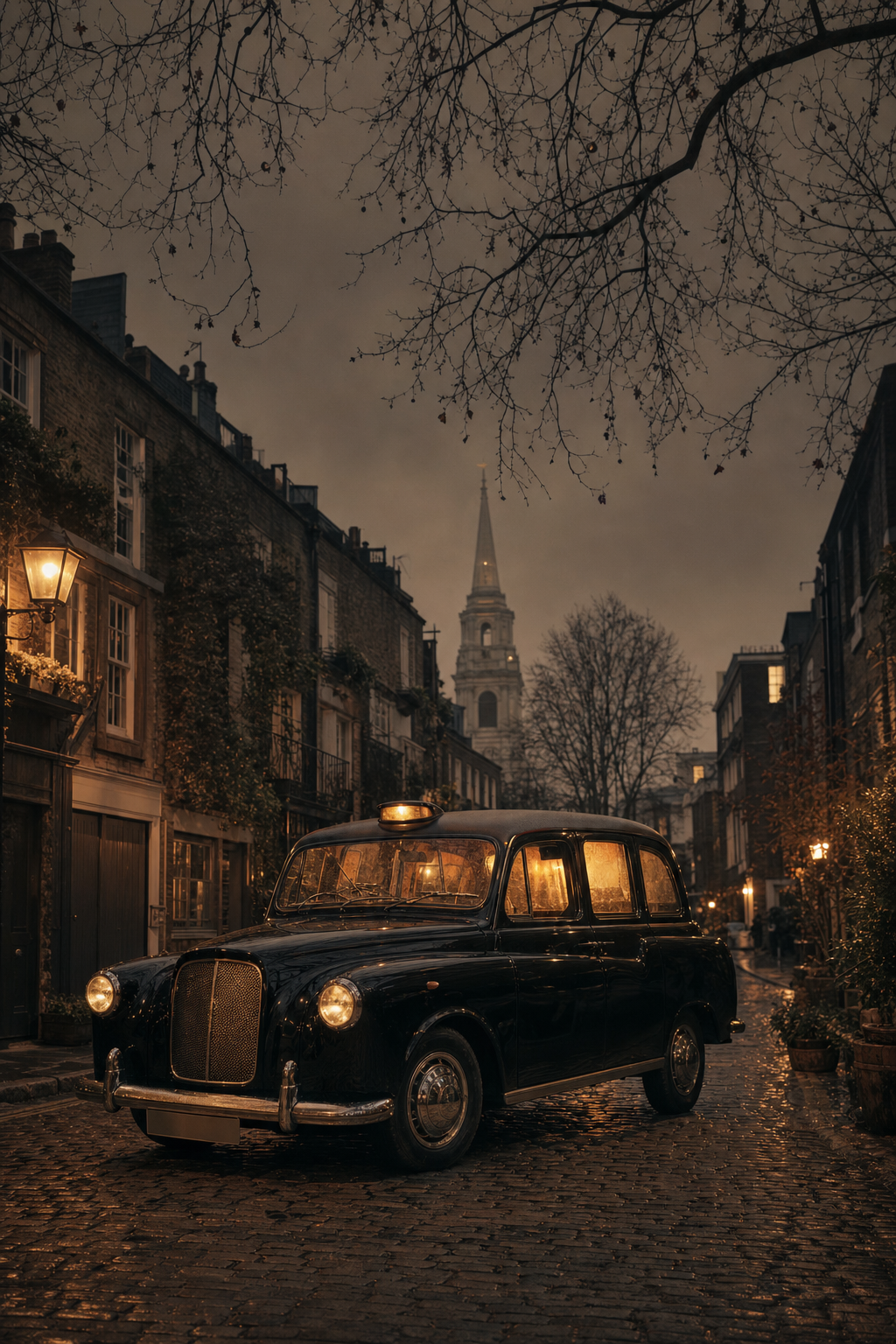
Landing at Heathrow or Gatwick on a gray morning often leaves travelers in a logistical limbo, particularly when hotel rooms are not ready until the afternoon. One of the most efficient things to do in London when it rains is to combine your initial transit with sightseeing through our Arrive and Explore service. Instead of spending those first hours in a damp lobby or navigating the rail network with heavy suitcases, you can transition straight from the terminal into the climate controlled interior of a black cab.
Our airport pickups can be extended into customizable history tours that allow you to view the Tower of London, St Paul’s Cathedral, and the Houses of Parliament through the window while staying entirely dry. Your luggage remains secure and dry in the vehicle, eliminating the need for temporary storage lockers or early bag drops. This approach turns a potentially wasted, wet morning into a high value introduction to the city. You arrive at your hotel later in the day, fully oriented and unburdened by the weather.