You have two days in London, a list of fifteen things you want to see, and no idea how to connect them without wasting half your trip on the wrong tube line or standing at a bus stop watching a full double-decker roll past. London rewards visitors who plan smart and punishes those who wing it. With so many sightseeing options available, from hop-on hop-off buses to river cruises to the Underground, choosing the wrong one for your itinerary costs you time, money, and momentum. In this guide, we break down every major way to see London, compare the real costs, and help you decide which option, or which combination, actually fits the trip you are planning.
The Many Ways to See London Sightseeing: A Quick Overview
London is one of the few cities in the world where the question of how to see it is almost as complex as the city itself. The options are genuinely varied: hop-on hop-off bus tours, the London Underground, guided walking tours, self-guided routes, Thames river cruises, and private black cab tours each offer something meaningfully different. Finding the best way to see London sightseeing depends entirely on what you are optimising for. A solo traveller on a tight budget has different priorities to a family with young children arriving jet-lagged from a long-haul flight. This article works through each option honestly, covering cost, coverage, flexibility, and comfort, so you can make a straightforward decision based on your specific trip.
Hop-On Hop-Off Bus Tours: Great Views, Fixed Routes
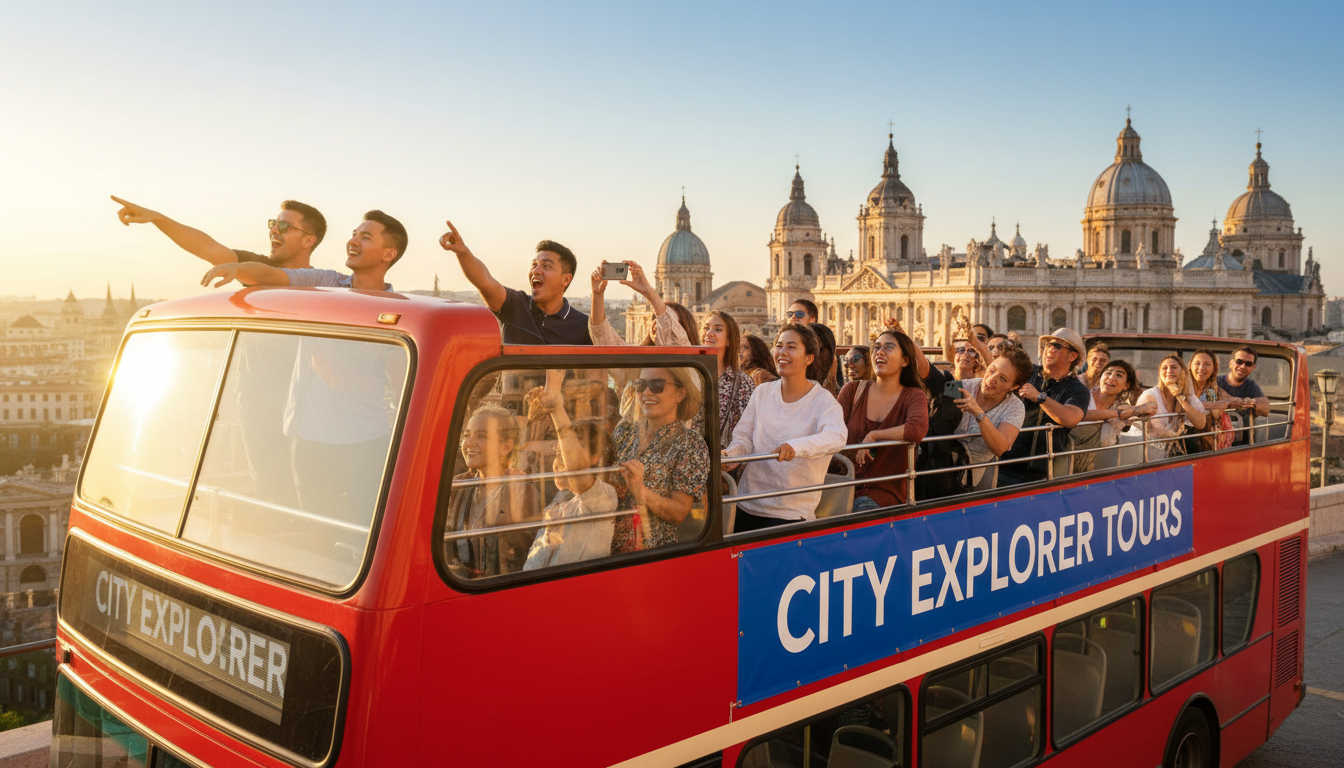
For many first-time visitors, the open-top bus is the instinctive first choice, and it is easy to understand why. Sitting on the upper deck as the bus rolls past Westminster Bridge, Trafalgar Square, and the Tower of London gives you a genuine sense of the city's scale. Ticket prices are8 competitive, generally in the £30 to £45 range for a day pass, and the multi-stop format means you can at least approximate your own rhythm across central London.
The limitations, however, are structural rather than superficial. Every operator runs a fixed circuit. The bus goes where the route goes, and the audio commentary is pre-recorded, the same script for every passenger regardless of their interests. If you want to explore the medieval churches of the City of London, linger near Smithfield Market, or venture beyond the standard central loop, the bus simply cannot take you there.
Peak times bring their own friction. Upper deck seats fill quickly, and queuing at busy stops like Victoria or St Paul's during summer is a genuine deterrent. Rain, which London produces with some regularity, transforms the open-top experience considerably. A soggy upper deck in October is a different proposition to a clear July afternoon.
Both major operators cover central London competently, but the honest answer to which is better is that neither adapts to you. The route is the route.
Walking Tours and Self-Guided Routes: Ideal for the Independent Explorer
Walking gets you closer to London than any other option. At street level, the city reveals details that no bus window or Tube carriage ever could: the carved stonework above a Georgian doorway, a medieval courtyard tucked behind Cheapside, the sudden quiet of a churchyard in the middle of the City. For fit travellers with good weather and decent footwear, walking is genuinely hard to beat.
Guided walking tours led by a Blue Badge Guide offer something particularly valuable: informed, real-time commentary from someone who has studied London's history in rigorous depth. Self-guided alternatives using apps or printed routes give you more control over pace. The South Bank walk from Westminster Bridge to Tower Bridge is one of the most searched and most rewarding routes in the city, passing the Tate Modern, the Globe Theatre, and Borough Market without a single Tube journey. The City of London historical trail, taking in St Paul's Cathedral, the Monument, and the surviving medieval street pattern, is another strong option.
The limitations are practical rather than conceptual. A serious day's sightseeing on foot can cover 8 to 10 miles, which is demanding even for confident walkers. London's weather adds genuine unpredictability. And while the South Bank or the City work well as self-contained walking zones, linking areas like Mayfair, Southwark, and Greenwich on foot is neither practical nor efficient.
The London Underground: Fast, Affordable and Completely Underground
The gap between London's sightseeing zones is where the Tube earns its place. An Oyster card makes it genuinely affordable, and the network connects areas like South Kensington, the City, and Canary Wharf far faster than any surface option during busy periods. For moving between zones efficiently, it is difficult to argue against it.
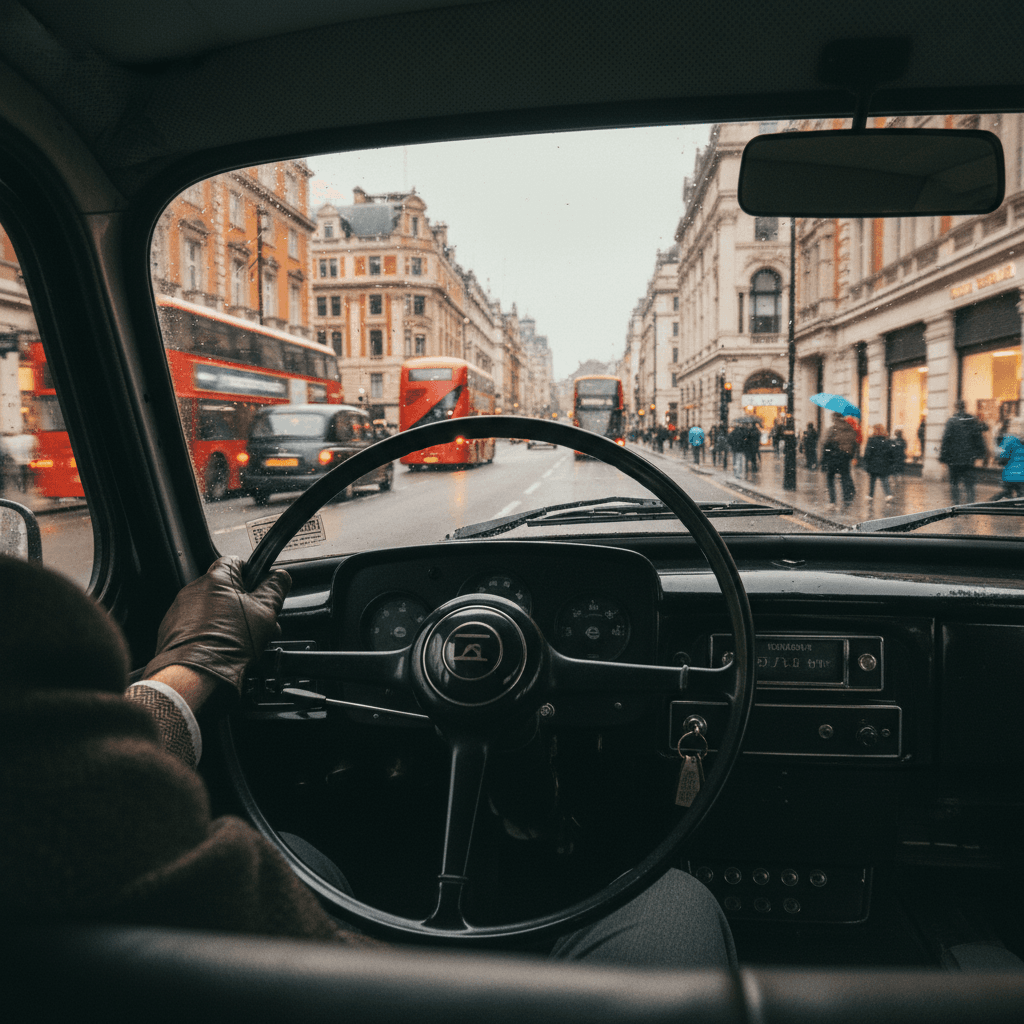
But the Underground is a transport tool, not a sightseeing experience, and that distinction matters when you are planning the best way to see London sightseeing. Between stations, you see nothing. The tunnels are dark, the carriages are enclosed, and the journey offers no connection to the city above you. A visitor who rides the Central line from Notting Hill Gate to St Paul's has covered ground quickly but seen nothing of what lies between.
Peak hours add another complication. Lines like the Central and Jubilee become genuinely crowded in ways that can disorient visitors unfamiliar with the network. The Tube moves you around London well; it does not show it to you.
River Cruises: A Scenic Slice of London, Best Combined with Other Options
The Thames offers a perspective on London that no road-based option can replicate. From the water between Westminster Pier and Greenwich, you see the Southbank, Tate Modern, Tower Bridge, and the City skyline arranged in a sequence that feels genuinely cinematic. On a clear day, a river cruise earns its place without argument.
The honest limitation is one of geometry. The Thames is a single corridor, and a cruise between Westminster and Greenwich or the Tower of London covers a narrow slice of a very large city. Journey times are longer than they appear on a map, the experience changes significantly in poor weather, and outside summer the upper decks can be bleak. A cruise works beautifully as one layer of a broader day, paired with something that covers the streets and neighbourhoods the river never touches. A London History Tour by black cab, for instance, can cover the parts of the city the Thames simply does not reach.
Black Cab Tours: Why the Knowledge Makes All the Difference

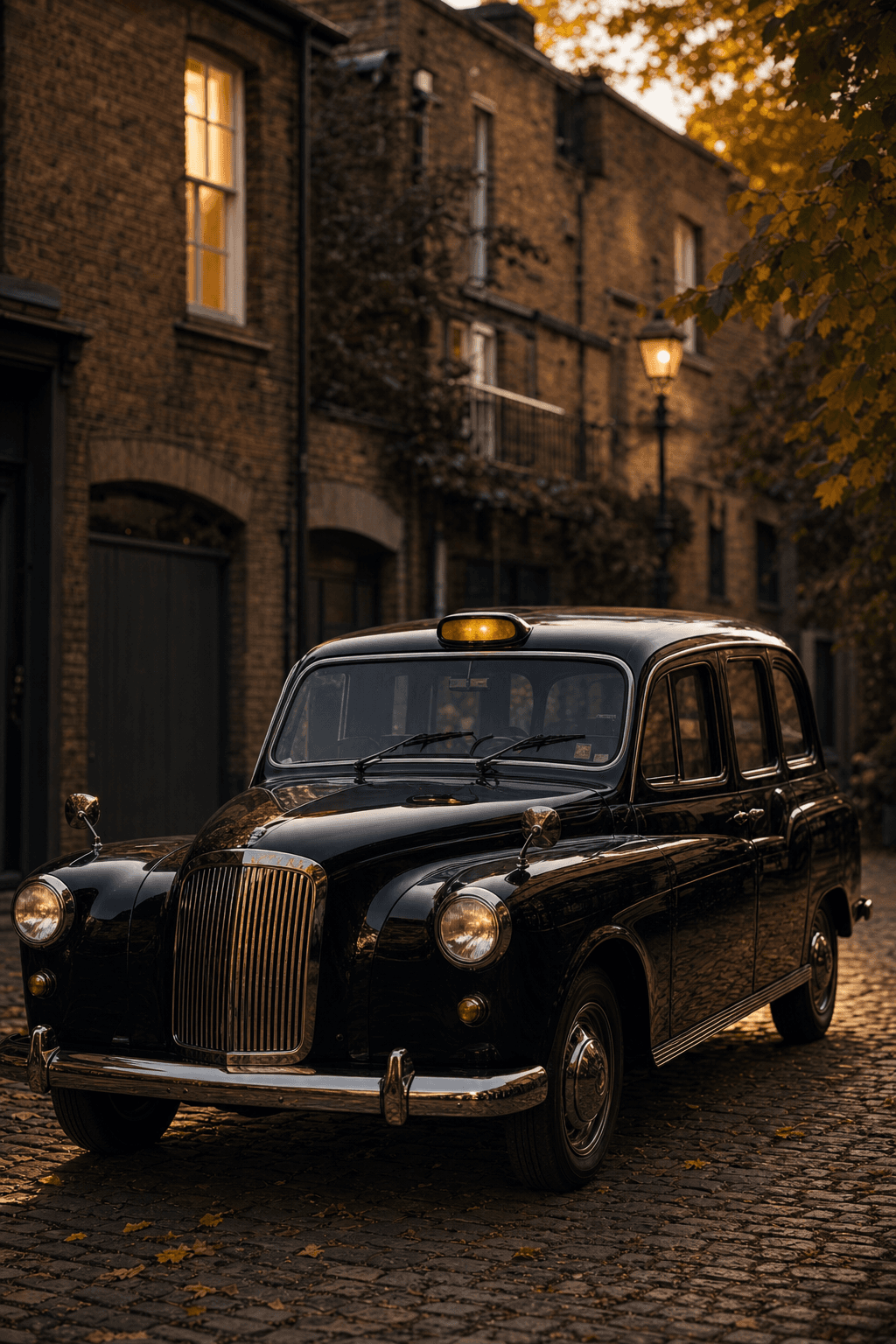
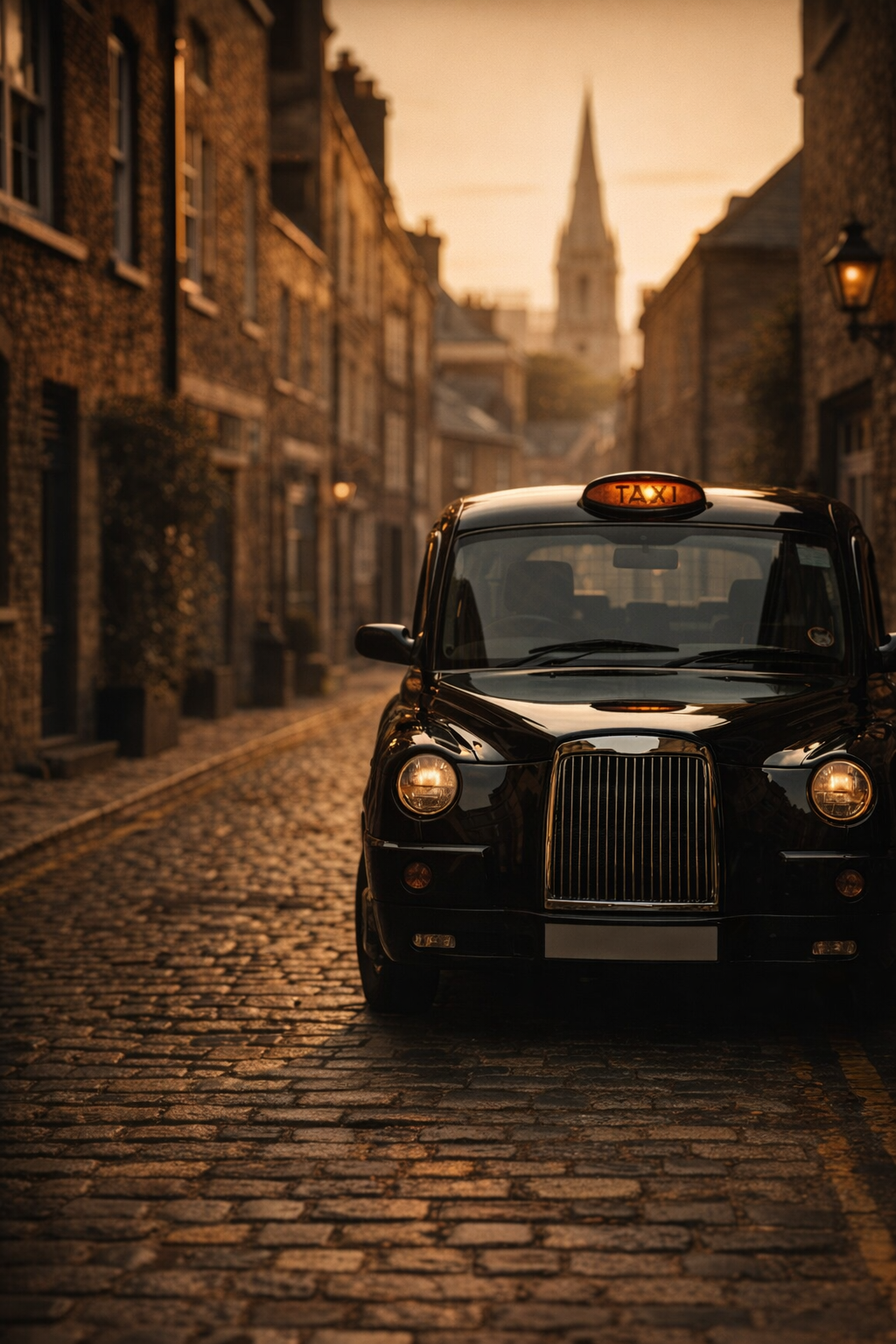
Every option covered so far offers something genuine, but none of them begins with three to four years of dedicated preparation. Before a London black cab driver can carry a single passenger, they must complete The Knowledge: a rigorous process requiring the memorisation of 25,000 streets and hundreds of points of interest across the capital. It is one of the most demanding geographic qualifications in the world, and it is the foundation that makes a black cab tour categorically different from a pre-recorded audio guide or a fixed bus circuit.
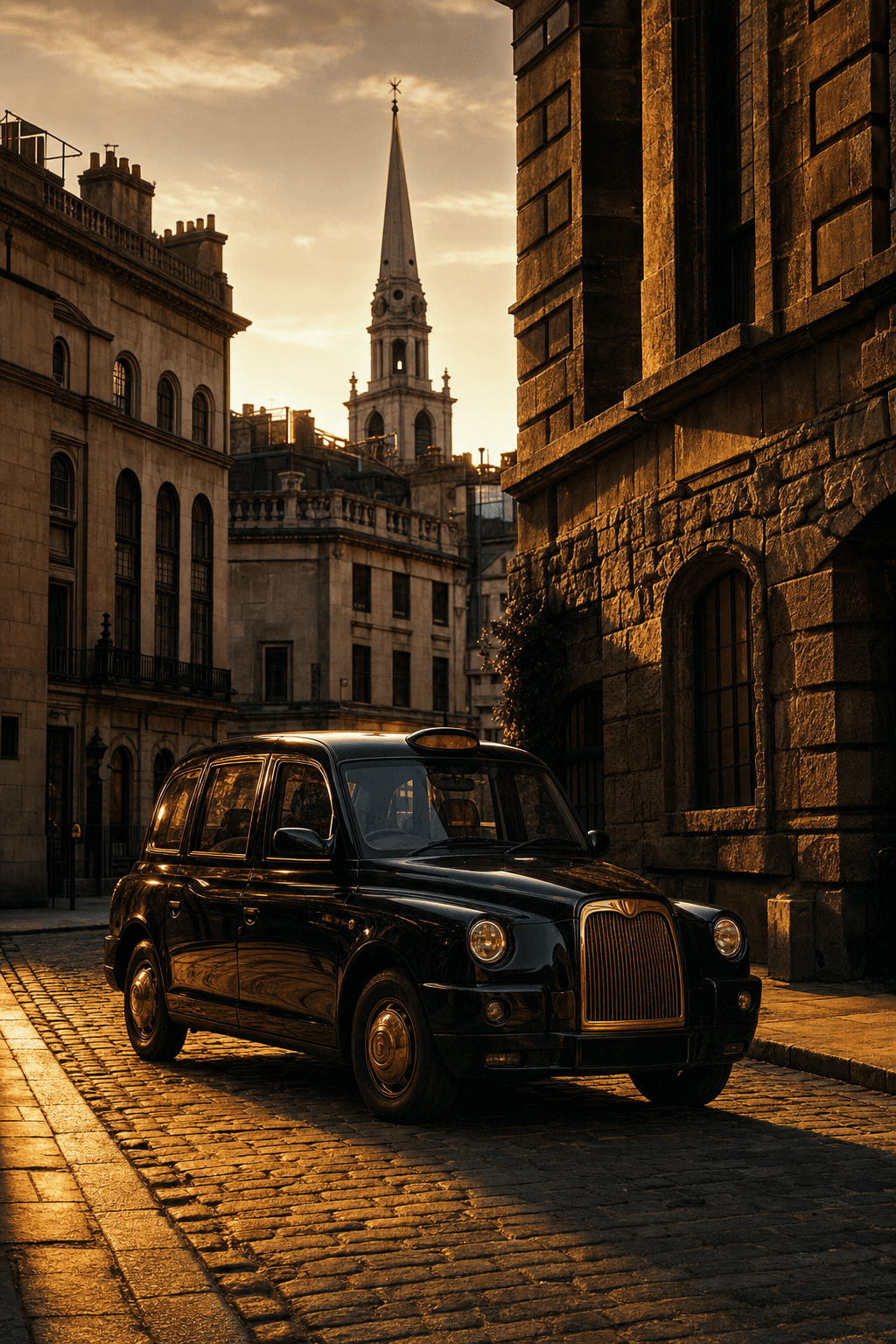
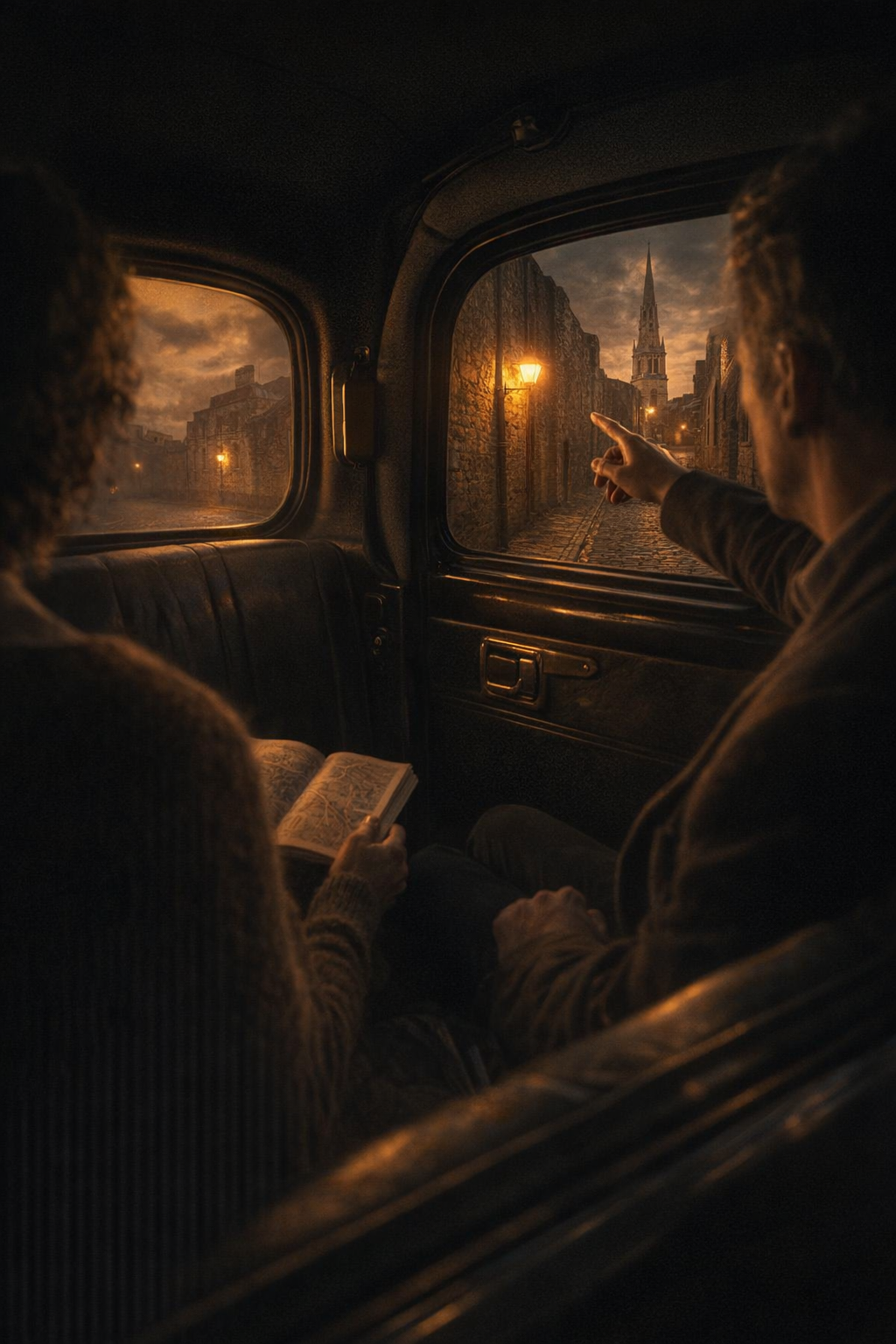
The practical result is a guide who can answer a question about a side street in Clerkenwell, navigate to a specific medieval church in the City of London without consulting a map, and adjust the entire route mid-journey based on what you actually want to see. That flexibility is the second pillar of what sets this format apart. A London History Tour with Tours and Terminals is built around your interests, not a standard script. Royal history, wartime London, the surviving Norman and medieval fabric of the City, literary landmarks, the architecture of the great Victorian estates: the itinerary is shaped around the conversation, not the other way around.
The third pillar is privacy and comfort. A black cab accommodates up to five passengers in a dedicated vehicle. There are no crowds, no queuing at stops, no weather exposure, and no concern about mobility. For families travelling with young children, couples who want a genuinely personal experience, or travellers with limited mobility for whom walking tours and open-top buses are simply not practical options, this matters considerably.
Are black cab tours worth it? For anyone with limited time who wants depth over breadth, or arriving from Heathrow and looking to begin the experience immediately through our Arrive and Explore service, the answer is straightforwardly yes.
Cost Comparison: What You Actually Get for Your Money
Putting actual numbers against each option changes the comparison considerably.
Option | Approximate Cost |
|---|---|
Hop-on hop-off bus | £30 to £45 per adult, per day |
Thames river cruise | £15 to £25 per person |
Guided walking tour | Free to £25 per person |
Black cab tour | Priced per vehicle, not per person |
The per-vehicle pricing of a black cab tour is the detail most visitors overlook. A metered black cab fare for a 20-minute journey across central London is a standard transport cost, calculated by distance and time on the meter. A dedicated sightseeing tour is a different product entirely, priced by duration or itinerary rather than by the meter, and confirmed in advance.
For a group of three, four, or five people, that distinction matters significantly. A family of four purchasing hop-on hop-off day passes spends roughly £120 to £180 before a single stop. A private two-hour black cab tour, shared across the same group, can work out to a comparable per-person figure while delivering something those bus tickets cannot: a fully private, tailored itinerary with a qualified guide responding to your actual questions in real time.
For a transparent breakdown of what Tours and Terminals charges by duration and group size, see our pricing page before you book.
Which Sightseeing Option Is Right for Your Trip?

Pulling the comparison together into a practical decision is straightforward once you know your own priorities.
Choose a walking tour if you are a solo traveller or small group with a full day, good weather, and an appetite for exploring at street level. The South Bank and City of London routes reward the effort handsomely.
Choose a hop-on hop-off bus if you want a broad overview of central landmarks on a limited budget and are comfortable with fixed routes, shared spaces, and the possibility of a damp upper deck.
Choose a river cruise if you want a single, scenic hour on the Thames and plan to pair it with another option that covers the neighbourhoods the river never touches.
Choose the Tube to move efficiently between sightseeing zones, not as the experience itself.
Choose a black cab tour if your time is limited, you are travelling as a couple, family, or small group, mobility is a consideration, or you want a genuinely tailored itinerary rather than a fixed script. It is also the best way to see London sightseeing when you are arriving from the airport and want the experience to begin immediately, rather than waiting until you have checked in.
Combining Airport Arrivals with a Sightseeing Tour
There is one scenario that no bus route, walking tour, or river cruise can address: arriving at Heathrow, Gatwick, or London City Airport at nine in the morning when your hotel room will not be ready until three in the afternoon. The standard options are to wait in the terminal, leave luggage at the hotel and wander without it, or sit in a lobby. None of those is a good use of your first day in London.
Tours and Terminals was built partly around this gap. Through our Arrive and Explore service, your driver meets you in the arrivals hall, luggage goes straight into the cab, and the tour begins on the road into central London. There is no wasted time, no storage logistics, and no hard boundary between the transfer and the experience. By the time you reach your hotel, you will have already seen the city properly, with a qualified guide who shaped the route around what you actually wanted to see.
For anyone asking how to make the most of a single day in London, this is a practical and genuinely efficient answer.
Deciding whether to take a classic black cab or utilize London's vast public transit network ultimately comes down to your personal travel style. While each method has its own charm, navigating a new city with heavy luggage can often feel like a chore. If you want expert help starting your journey on the right foot, considering our professional Airport Transfers is a natural next step. We focus on comfort and reliability, allowing you to relax while we handle the complicated logistics of your arrival.