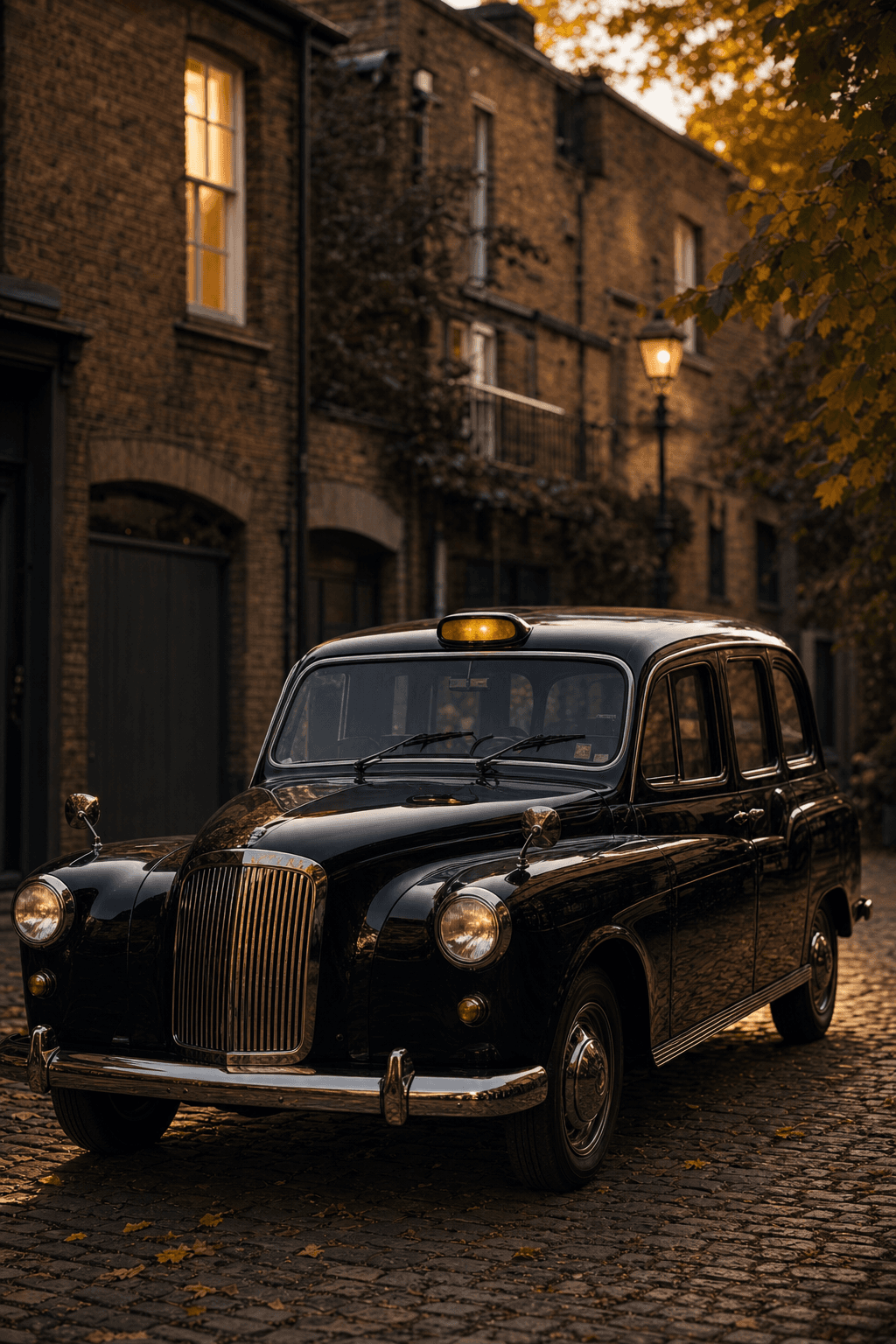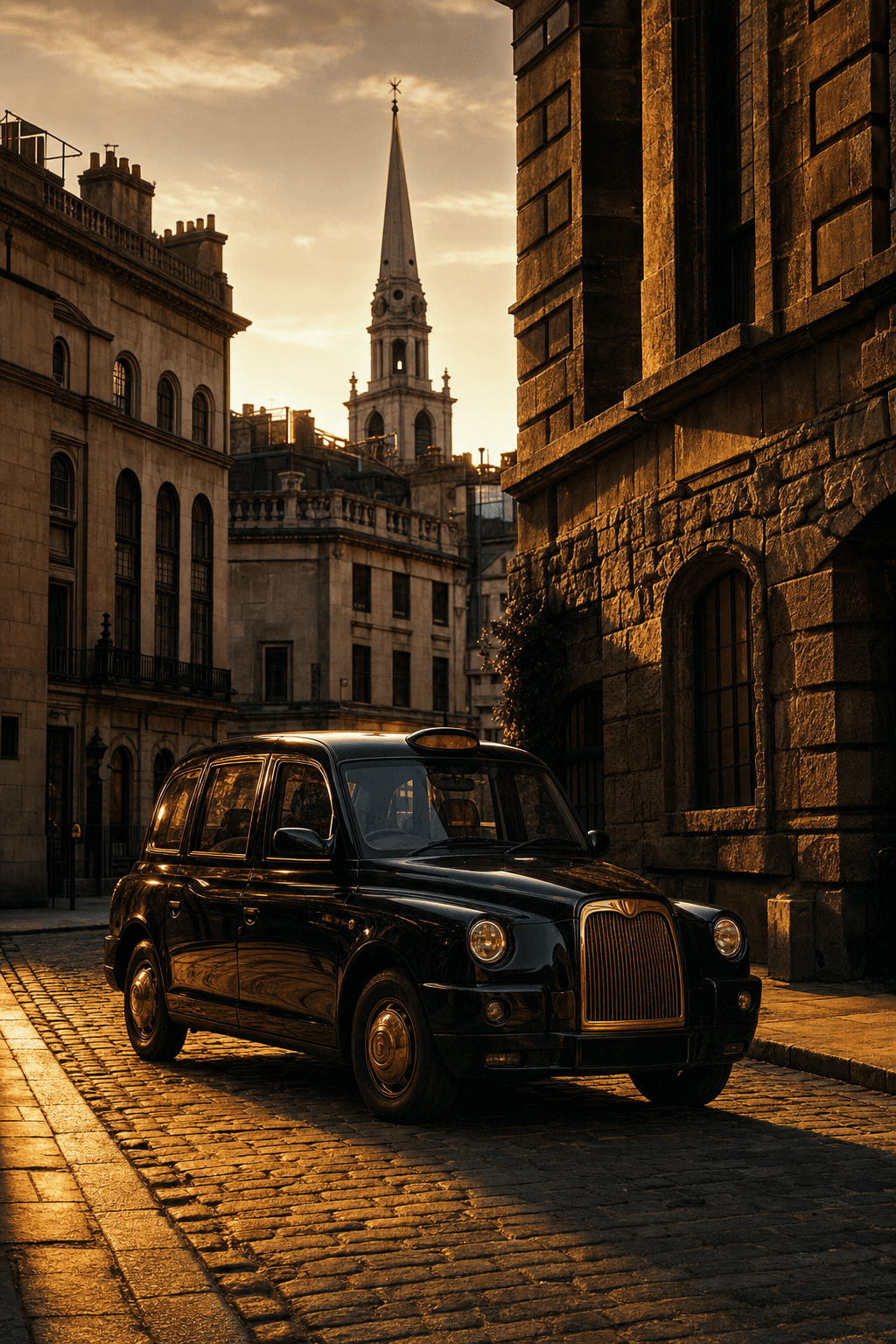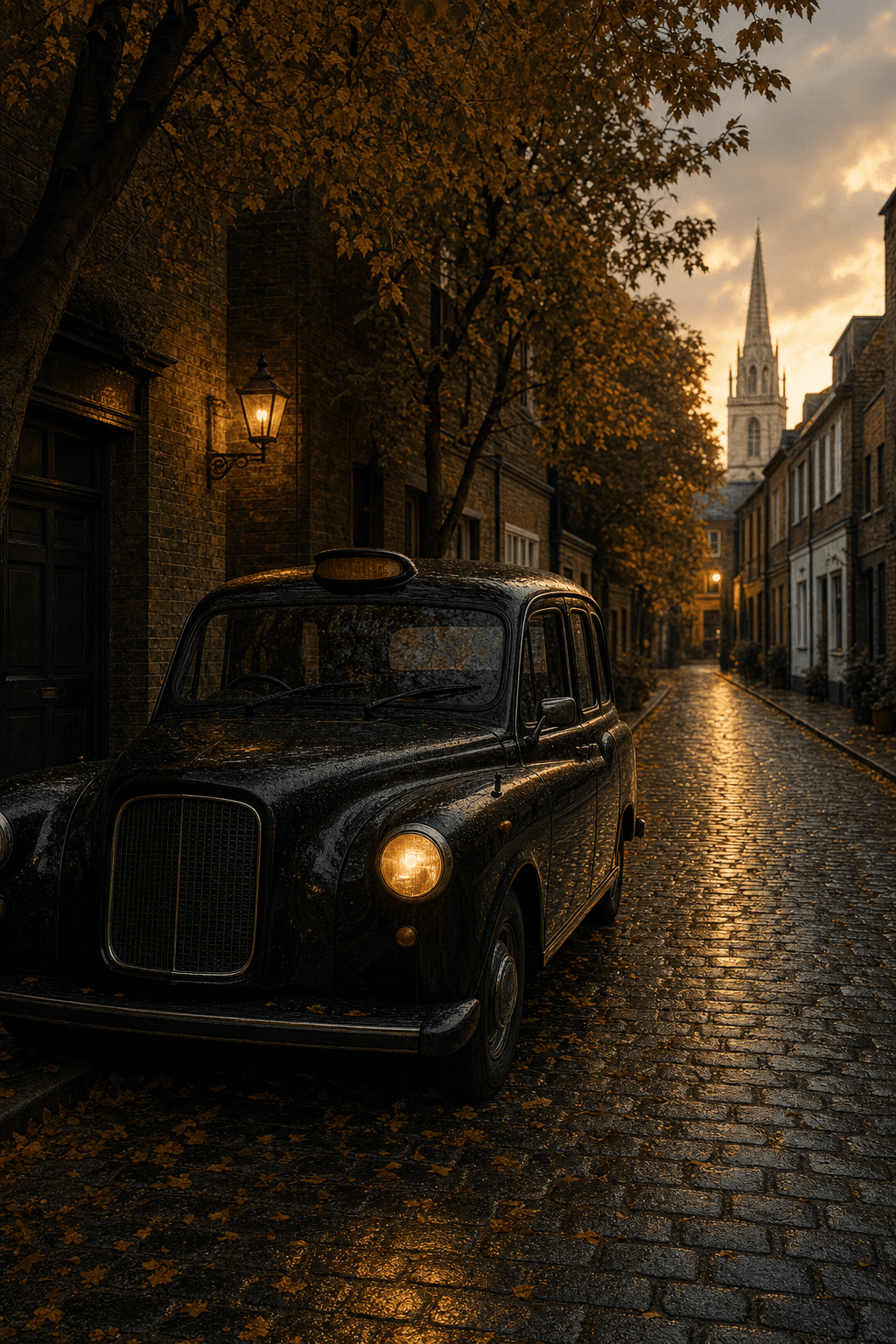
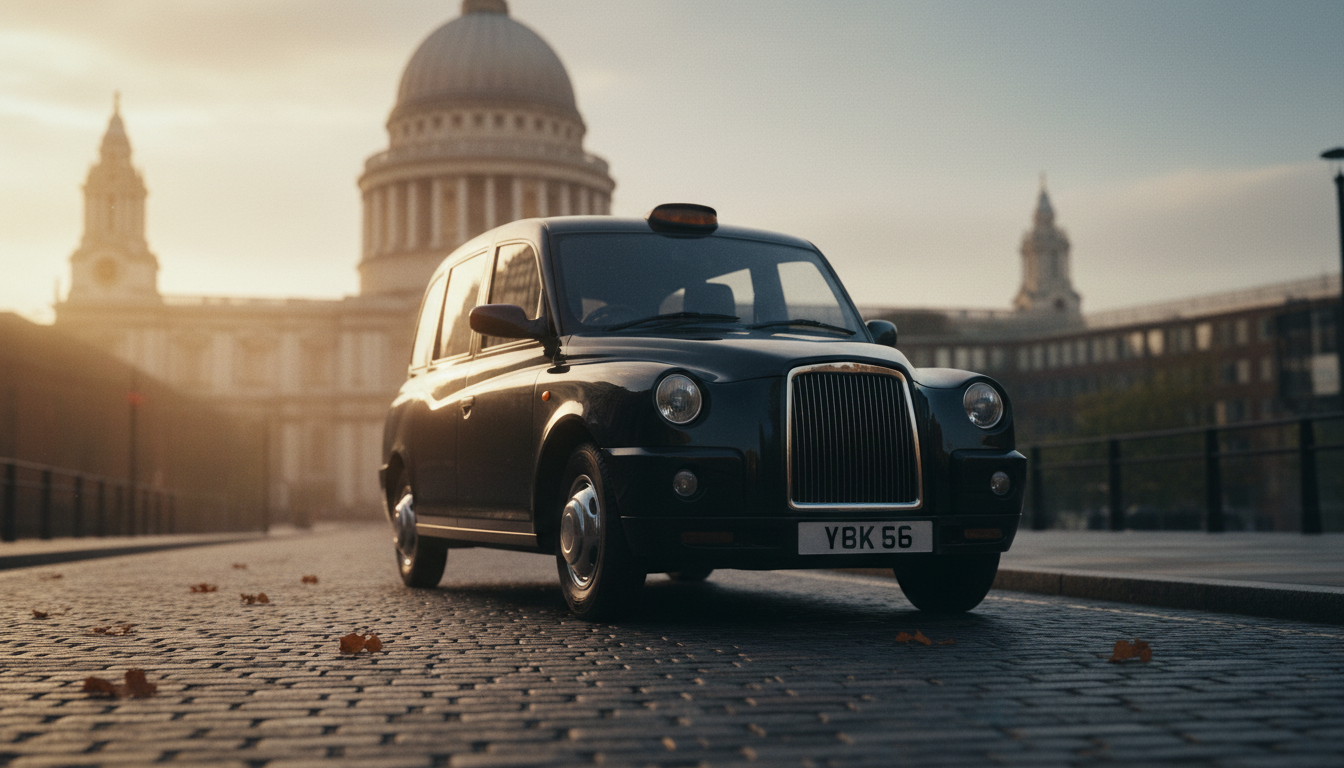
An East End London black cab tour provides a comprehensive look at the district's complex legacy of immigration, including the stories of Huguenot weavers and Jewish settlers. Visitors can explore the vibrant street art of Brick Lane and historical landmarks in Spitalfields from the comfort of a traditional taxi.
Navigating London's East End on foot often leaves visitors feeling overwhelmed by the sheer volume of history and the rapid pace of urban change. It is easy to miss the profound stories hidden within the architectural layers of Spitalfields or the vibrant murals of Shoreditch when you are merely following a generic guidebook. A private black cab tour provides a sophisticated, efficient way to access the soul of this complex district while avoiding the physical exhaustion of a standard walking tour. This guide explores how a curated itinerary reveals the rich tapestry of immigration in Brick Lane, the world-class street art of the modern era, and the darker corners of the area's Victorian past. We also highlight the practical advantage of combining these authentic explorations with luxury airport transfers to maximize your time in the city.
The Soul of the Capital: Why Take an East End London Black Cab Tour
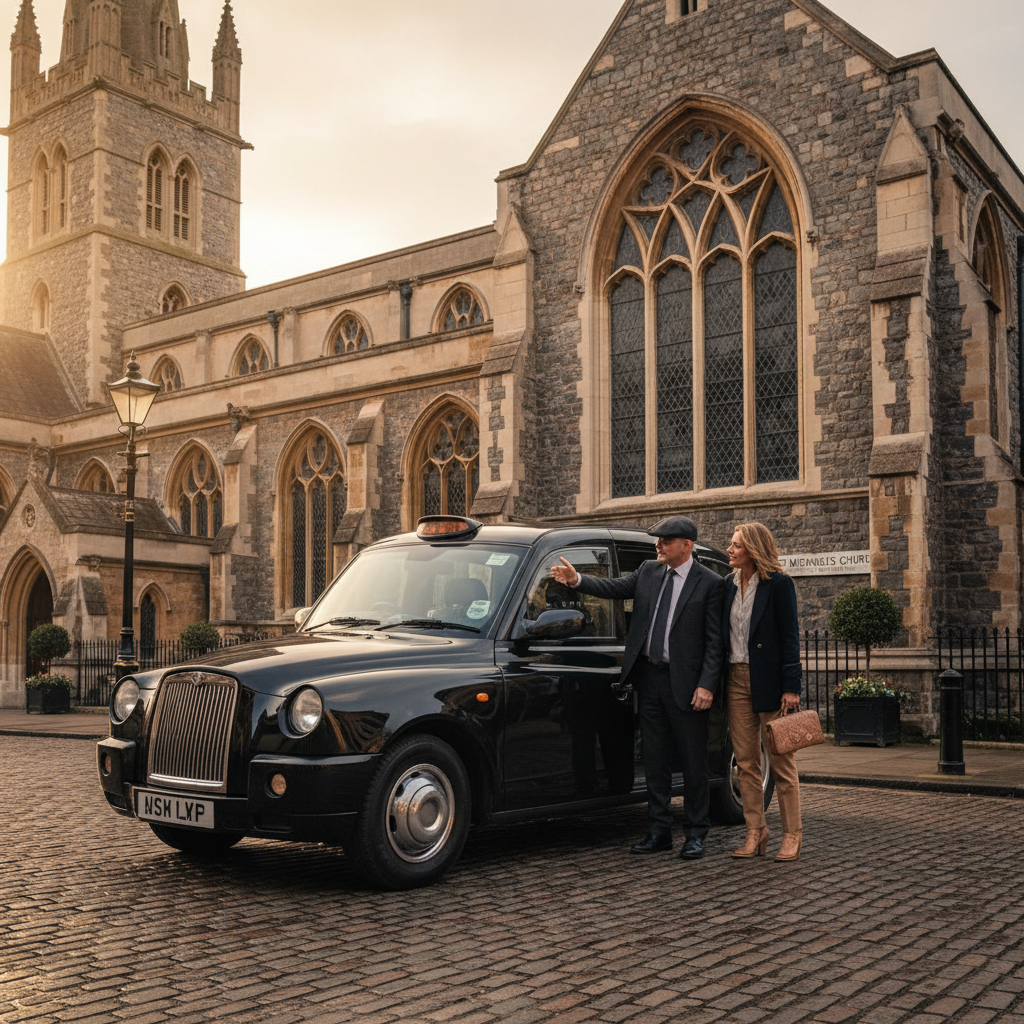
The East End is far more than a set of coordinates on a map; it is the living, breathing heartbeat of London’s identity. While the West End offers the polish of royalty and government, the East End provides the raw, authentic narrative of a city that has reinvented itself for centuries. This sprawling district encompasses the vibrant markets of Spitalfields, the creative energy of Shoreditch, the somber history of Whitechapel, and the world-renowned cultural tapestry of Brick Lane.
Navigating these distinct neighborhoods on foot is a common choice, but an East End London black cab tour offers a more practical and comprehensive alternative. The geographic distances between a medieval church in Spitalfields and the maritime history of the nearby Docklands are significant. A black cab allows you to bridge these gaps in climate-controlled comfort, shielding you from the unpredictable British weather while providing a mobile sanctuary for your belongings.
The true value of this experience lies in the driver. Every London cabbie has mastered 'The Knowledge,' an intensive study of the city’s 25,000 streets and thousands of landmarks. This expertise goes beyond simple navigation; it is a deep-seated understanding of how these streets have shifted over generations. When you book a London history tour, you are gaining access to an expert who can navigate narrow alleyways and bypass congestion while sharing insights that generic tours often overlook. This professional perspective ensures your time is spent discovering the area's soul, rather than just its surface.
A Tapestry of People: The History of Immigration in Spitalfields and Brick Lane
Understanding the East End requires looking beneath the modern facade to see the geographical palimpsest where each new wave of residents has built upon the foundations of the last. The area is defined by its resilience and its role as a sanctuary for those seeking a new start in London. This historical depth is best explored through a London history tour, where the architecture serves as a silent witness to centuries of change.
The story of the modern East End begins in the late 17th century with the arrival of the Huguenots. These French Protestants, fleeing religious persecution, brought sophisticated silk-weaving skills to Spitalfields. Their legacy is preserved in the grand houses of Fournier Street, designed with oversized windows to allow maximum light for the looms. This concentration of industry earned the district the nickname 'weaver town,' a moniker that persisted as the textile trade evolved through subsequent generations.
As the Huguenots moved further afield, new groups arrived to fill the void. Irish laborers came in the early 19th century to build the nearby docks and railways, followed by a significant influx of Jewish refugees. Many travelers ask: when did Jews come to Brick Lane? While there was a small Jewish presence in London for centuries, the primary migration to the East End occurred in the 1880s. Families fleeing pogroms in Eastern Europe transformed the neighborhood into a bustling hub of tailoring, printing, and kosher commerce. By the 1970s, the demographic shifted again as the Bangladeshi community established itself, bringing the vibrant flavors and textile expertise that define the Brick Lane of today.
The Brick Lane Jamme Masjid stands as the ultimate metaphor for this cultural transition. Built in 1743 as a Huguenot chapel, it later served as a Methodist mission before being converted into the Machzikei Hadass Synagogue in the 1890s. Since 1976, it has served as a mosque. Observing the building's exterior from the elevated seat of a black cab allows you to appreciate the subtle architectural markers, such as the historic sundial, which have remained constant while the voices inside the walls have changed languages three times over.
From Murals to Masterpieces: Shoreditch Street Art and Modern Culture

As the silk looms of the past fell silent, Shoreditch transitioned from a utilitarian industrial hub into a global canvas for creative expression. This shift accelerated in the early 2000s, turning derelict warehouses into high-value studios and making the neighborhood the primary destination for an East End London black cab tour focused on contemporary culture. The area now exists in a state of productive tension; sleek, high-end galleries sit beside crumbling brick walls covered in ephemeral tags and intricate paste-ups.
While walking tours often focus on the narrow backstreets around the Truman Brewery, many of the most significant works are positioned for maximum impact on major thoroughfares. Navigating these busy arteries, such as Old Street and Shoreditch High Street, is far more efficient from the elevated vantage point of a black cab. You can safely admire massive, multi-story murals that are easily overlooked at street level or difficult to photograph while dodging sidewalk traffic. Your driver can point out the remaining pieces by Banksy, the distinctively large-scale monochromatic animals by Belgian artist ROA, and the minimalist, emotive stick figures by Stik that have become synonymous with the local landscape.
The nature of this art is temporary. A piece visible today might be painted over by a rival or obscured by new construction tomorrow. Because our drivers move through these streets daily, they possess real-time knowledge of where new masterpieces have appeared. This adaptability is a core component of a bespoke London history tour, ensuring you see the current highlights of the ever-shifting urban gallery without the physical strain of trekking across the expansive district.
Beyond the Ripper: Navigating the East End's Dark History
Exploring the East End inevitably leads to the shadows of the late 19th century. The allure of London’s dark history often centers on the 1888 Whitechapel murders, prompting many to ask if Jack the Ripper was in Brick Lane. While the canonical crime scenes were primarily located in the immediate vicinity of Whitechapel and Spitalfields, the atmospheric narrow lanes branching off Brick Lane were the daily backdrop for the victims and the investigation. A professional London history tour provides a necessary correction to modern sensationalism by focusing on the lived reality of the Victorian working class rather than just the macabre details.
From the elevated seat of a black cab, you can safely observe landmarks like The Ten Bells pub on Commercial Street. This site is inextricably linked to the Ripper case, but it also serves as a gateway to discussing the severe social deprivation of the era. Moving further south, your driver can navigate to the mural commemorating the 1936 Battle of Cable Street. This monument marks a pivotal moment where the local community, including Jewish and Irish residents, united to block a fascist march. This site illustrates the true spirit of the district: an enduring resilience that has survived both criminal legends and political upheaval. An East End London black cab tour allows you to connect these points of struggle and strength, offering a sophisticated look at how the neighborhood has always fought for its identity.
Where the Real London Lives: Authentic Eats and Local Landmarks
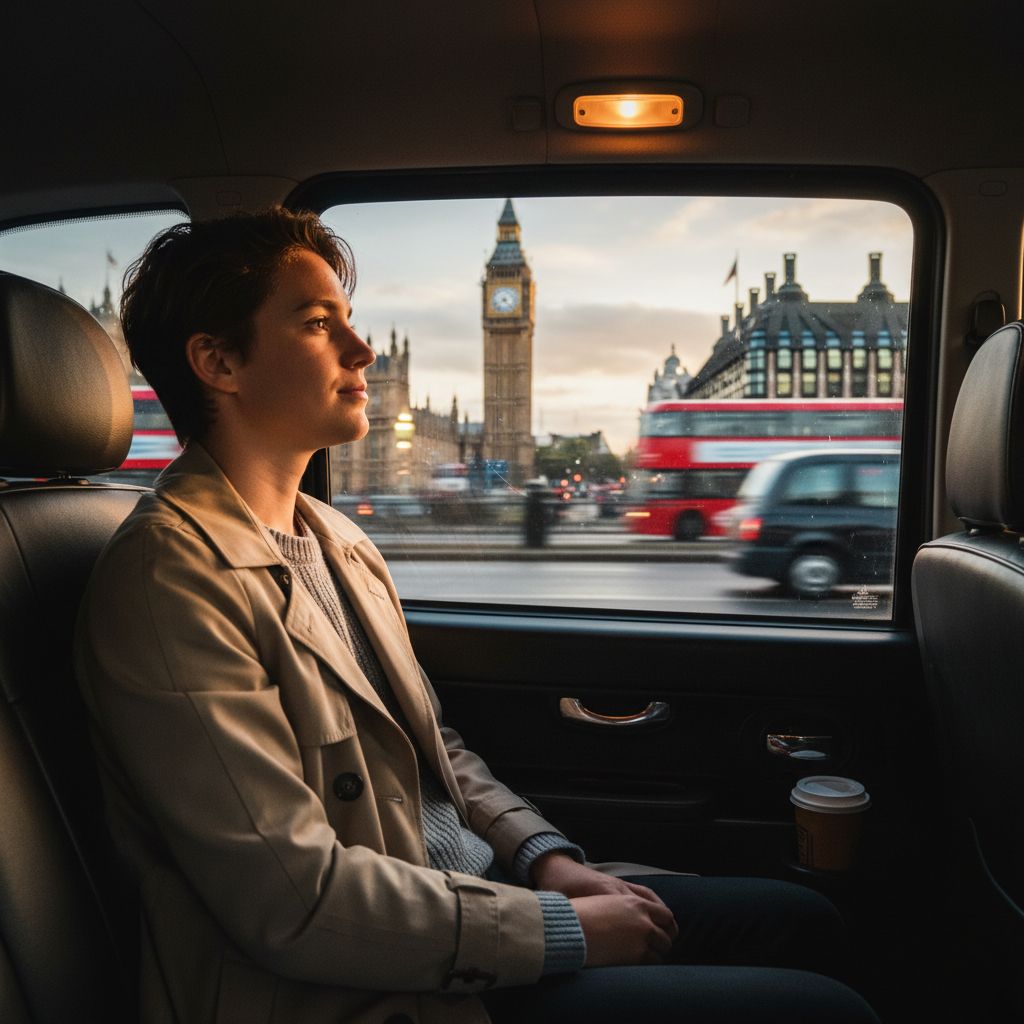
To truly understand the East End, you must move beyond the architecture and engage with its sensory reality. The resilience found in its history is most vibrantly expressed through the area’s culinary and social institutions. A bespoke London history tour provides the logistical freedom to sample these highlights without the constraints of a rigid group schedule.
Brick Lane remains the district's gastronomic heart. A primary stop for any local is Beigel Bake, the 24 hour institution famous for its traditional Jewish salt beef beigels. This shop is a surviving fragment of the neighborhood's previous identity, serving hundreds of customers daily with the same efficiency it has for decades. Complementing this are the numerous curry houses that define the modern streetscape. These family run establishments offer a depth of flavor that represents the soul of the Bangladeshi community and provides an essential taste of the real London.
As you move toward the Thames, the landscape shifts from narrow markets to historic maritime outposts. An East End London black cab tour allows for easy access to Wapping and Limehouse, areas often bypassed by standard tourist routes.
Landmark | Significance | Best For |
|---|---|---|
Beigel Bake | 24-hour Jewish bakery | Traditional salt beef beigels |
The Prospect of Whitby | Oldest riverside tavern | Maritime history and Thames views |
The Grapes | Historic Limehouse pub | Intimate atmosphere and literary history |
In Wapping, The Prospect of Whitby stands as London’s oldest riverside tavern, featuring original 16th century flagstone floors and a notorious history involving smugglers and pirates. Further along the river in Limehouse, The Grapes provides a quieter, more intimate setting. This pub was a frequent haunt of Charles Dickens and still retains the atmospheric, wood paneled charm of a bygone era. Experiencing these corners through the eyes of a professional driver ensures you encounter the authentic London that exists behind the famous facades.
The Arrive and Explore Advantage: Combining Airport Transfers with East End Tours
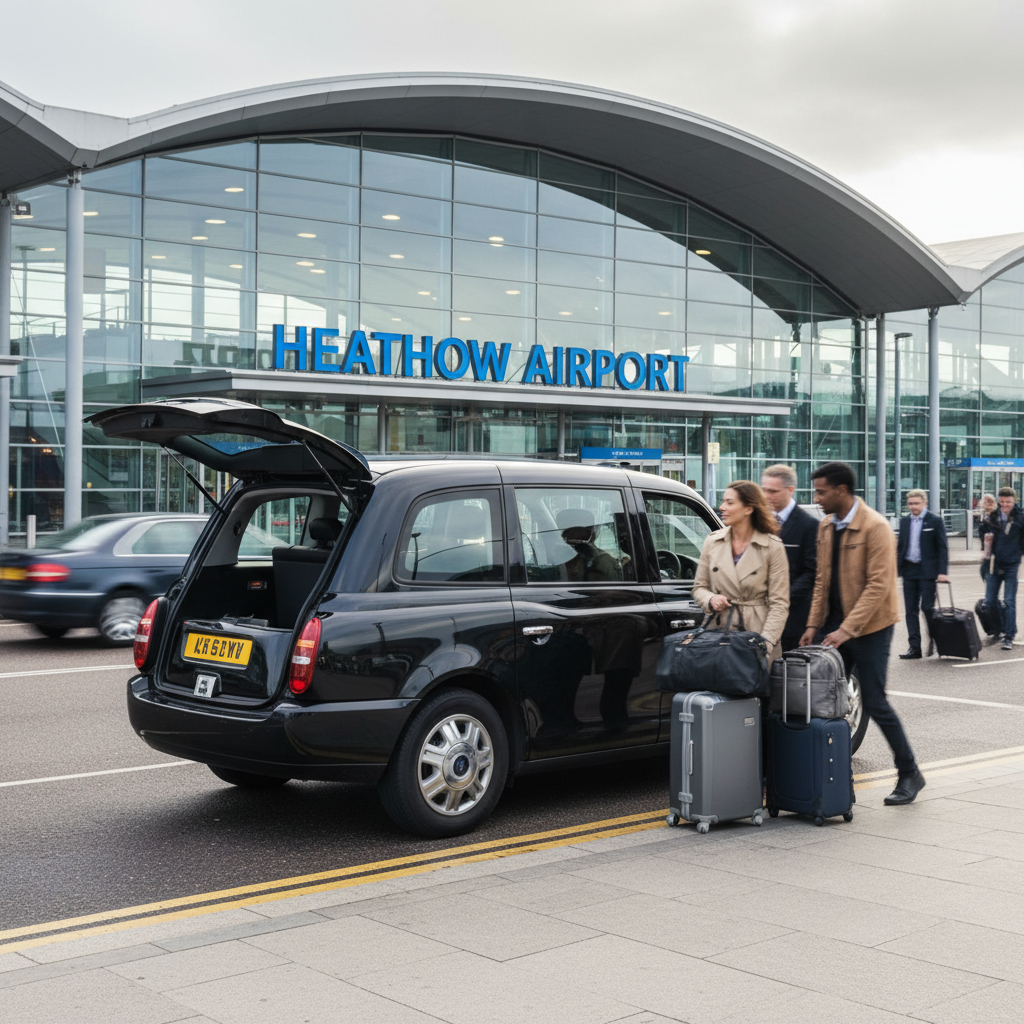
International travelers arriving at Heathrow or Gatwick often face the awkward gap between an early morning touchdown and a mid-afternoon hotel check-in. Dragging suitcases through the city or waiting in a lobby is an inefficient use of limited time. The Tours and Terminals Arrive and Explore service eliminates this logistical hurdle by merging airport transfers with a comprehensive London history tour.
Upon arrival, your driver meets you in the terminal, assists with your bags, and secures them in the vehicle. The iconic London black cab is uniquely suited for this purpose; the spacious passenger cabin and dedicated luggage compartment provide ample room for both travelers and their belongings to remain secure and out of sight. You can transition from a long-haul flight to the vibrant streets of the East End without the physical burden of transit luggage.
Starting an East End London black cab tour immediately after landing allows you to maximize your first day. While other visitors are still navigating train schedules, you are already exploring the Huguenot houses of Spitalfields or the street art of Shoreditch from the comfort of a climate-controlled interior. This approach ensures that by the time your hotel room is ready, you have already gained a deep orientation of the capital’s most historic district.
Planning Your Bespoke East End Itinerary
Customizing your journey begins with defining a specific thematic lens. If your interest lies in genealogy, your driver can trace the exact streets of your ancestors within the historic Jewish quarter or the Huguenot districts of Spitalfields. For those prioritizing photography, an itinerary can be timed to capture the shifting shadows on the murals of Shoreditch or the industrial silhouettes of the Docklands.
The primary advantage of an East End London black cab tour is the vehicle itself. Unlike rigid bus tours that are restricted to major arteries, a black cab can navigate the narrow, cobble-stoned alleyways of Wapping or the tight corners of the backstreets near Brick Lane. This agility allows for door-to-door access to hidden markers and commemorative plaques that larger vehicles simply cannot reach.
When booking your London history tour, provide details on your specific interests. This allows for a curated route that maximizes every minute. This bespoke approach transforms a standard sightseeing trip into a technical, deep dive into the sections of the city that matter most to you.