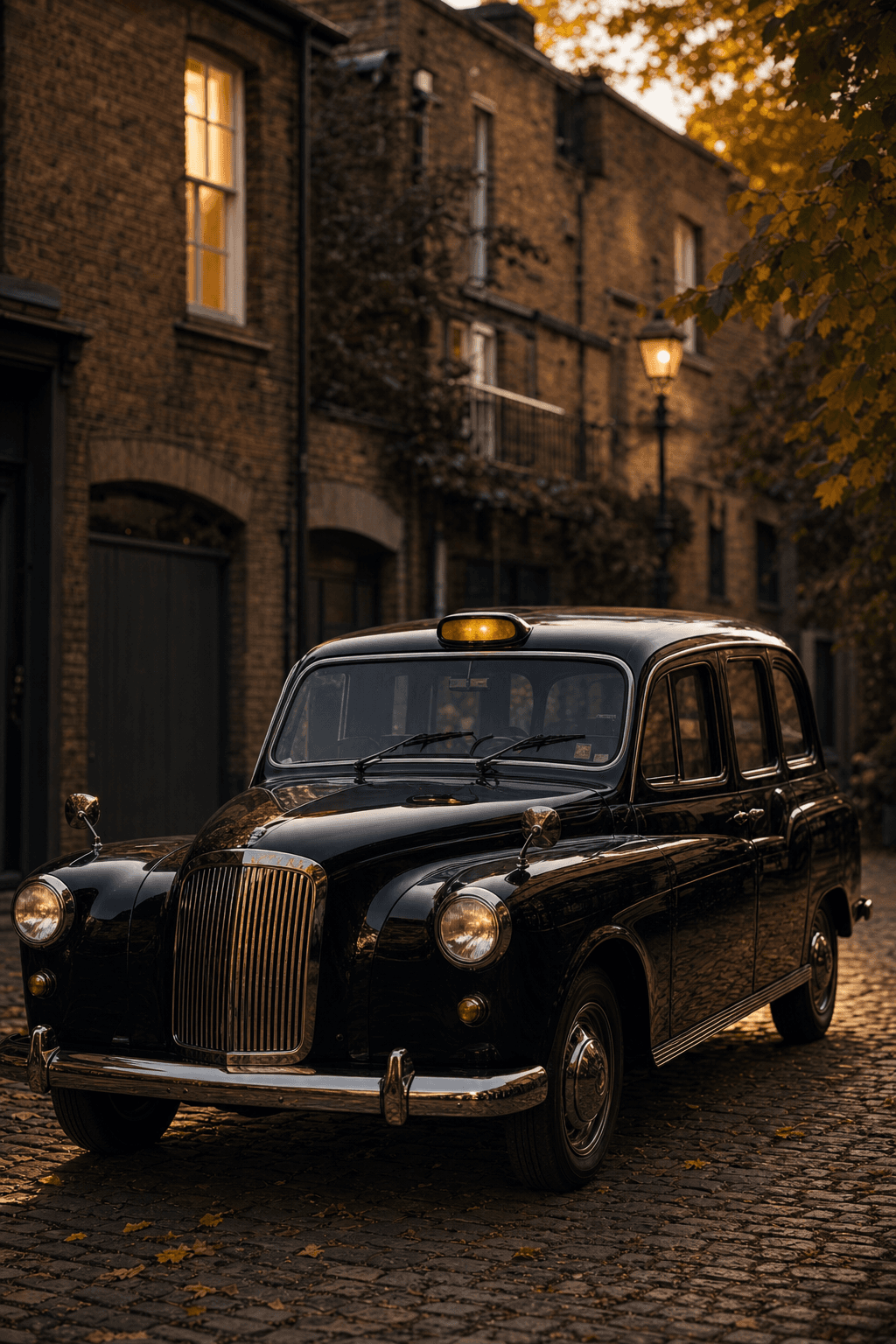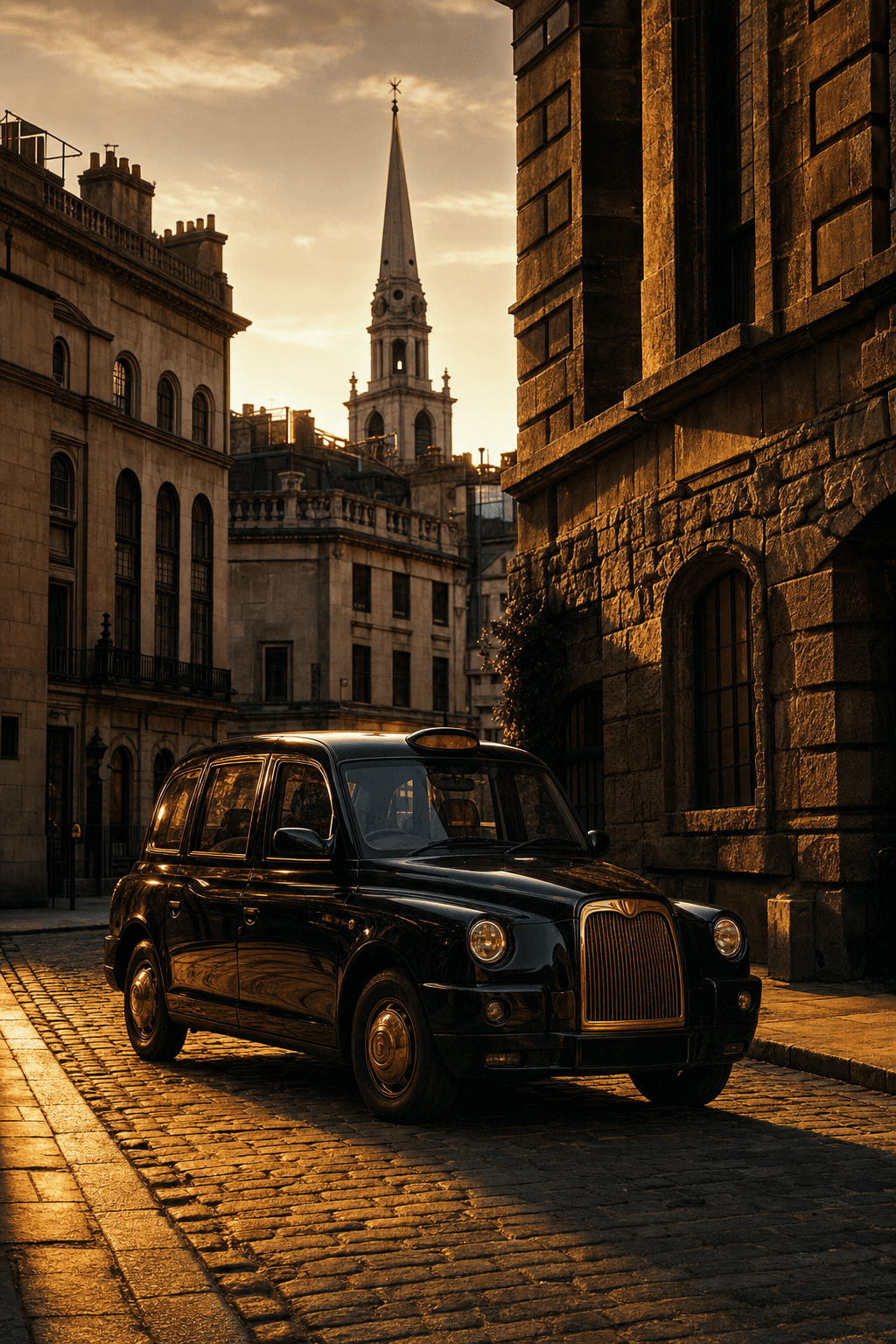
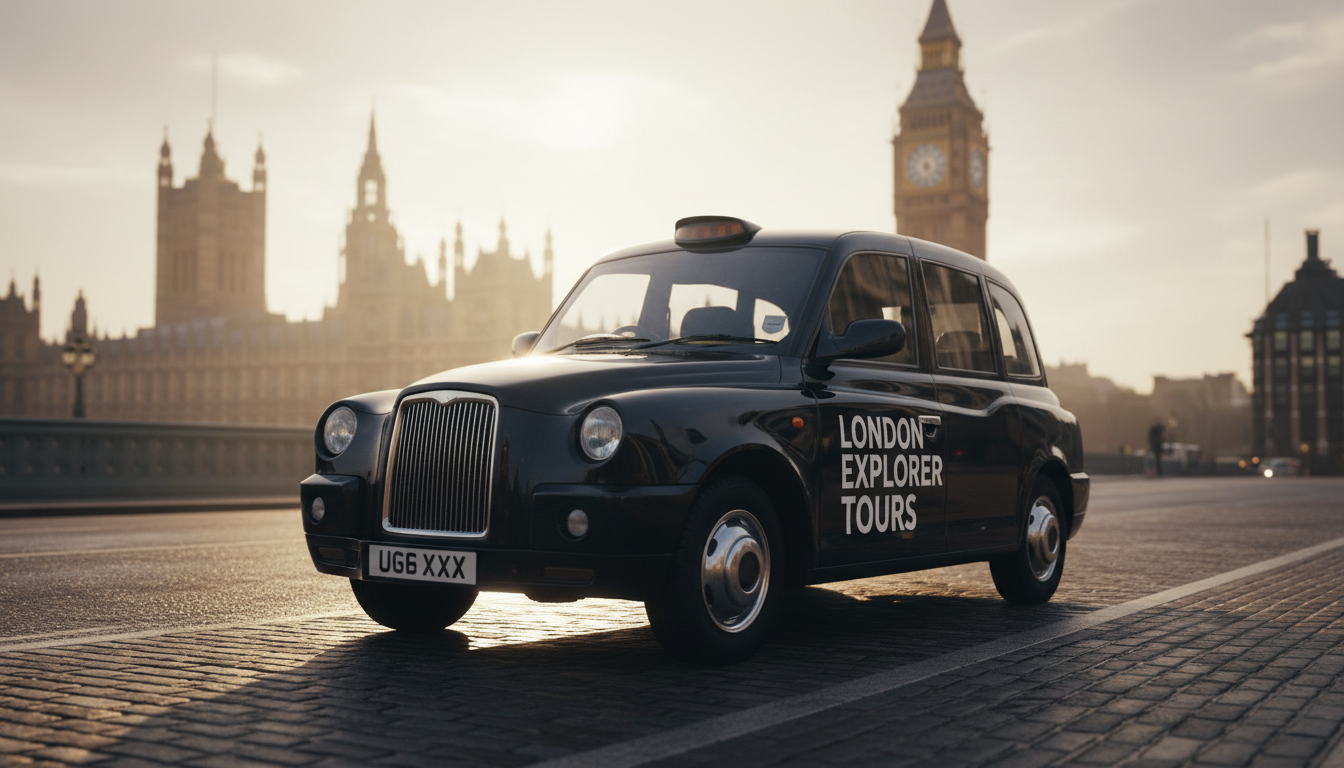
A London music history tour black cab offers a private and customizable journey through the city's most iconic landmarks, covering sites associated with The Beatles, David Bowie, and the punk movement. Led by knowledgeable licensed drivers, these tours provide an intimate look at world famous studios, former residences, and historic venues that shaped global music culture.
London's musical heritage is scattered across thousands of winding streets, making it nearly impossible for visitors to see the legendary sites of The Beatles, Bowie, and the Sex Pistols in a single afternoon without feeling exhausted. Relying on the Underground often means missing the subtle details of Soho or the hidden gems of Camden while wasting precious holiday hours in transit. A private black cab tour offers a sophisticated solution; it combines expert navigation with the comfort of a luxury vehicle that can access the narrow alleys where history was made. In this guide, you will discover how to traverse the capital's sonic landscape with professional ease. We will explore everything from the glam rock revolution in Soho to the grit of the punk scene, demonstrating why a chauffeured journey is the only way to truly experience London's legendary soundtrack.
The Soundtrack of the Capital: Why London Music History is Best Seen by Cab
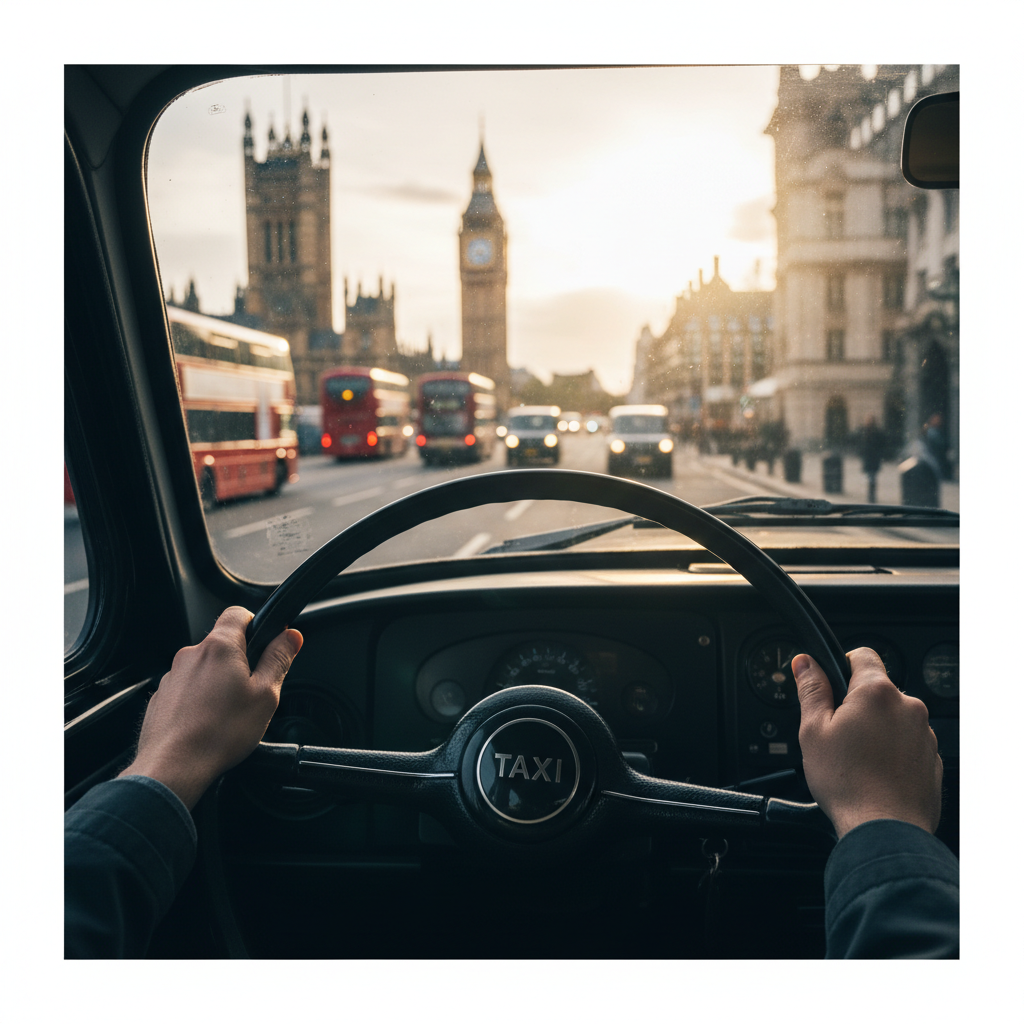
London is a city built on sound, but its rhythm is scattered across miles of urban sprawl. The heavy bass of a reggae club in Brixton feels worlds away from the polished recording studios of St. John’s Wood. This geographic diversity is precisely why exploring the city’s heritage requires a specialized approach. Walking tours are inherently limited; they can effectively navigate the narrow alleys of Soho or the market stalls of Camden, but they cannot bridge the gap between the two in a single afternoon.
A London music history tour black cab provides a narrative that moves as quickly as the genres themselves. By utilizing the flexibility of a traditional cab, we can trace the capital’s sonic evolution from the aristocratic rebellion of 1960s Chelsea to the gritty heart of the 90s indie scene in North London. Tours and Terminals serves as your local expert, offering a front row seat to these cultural milestones.
This mode of travel allows for a London History Tour that jumps between decades and genres seamlessly. We can visit the site of the Beatles' final rooftop performance in Mayfair and, minutes later, stand outside the rehearsal spaces where Punk was born on Denmark Street. Unlike bus tours that stick to major thoroughfares, a black cab can navigate the quiet residential streets where icons like David Bowie lived and worked. It is a practical, sophisticated way to experience the city's legacy without the constraints of public transport or the physical fatigue of a limited walking itinerary.
The Beatles in London: Beyond the Abbey Road Crossing
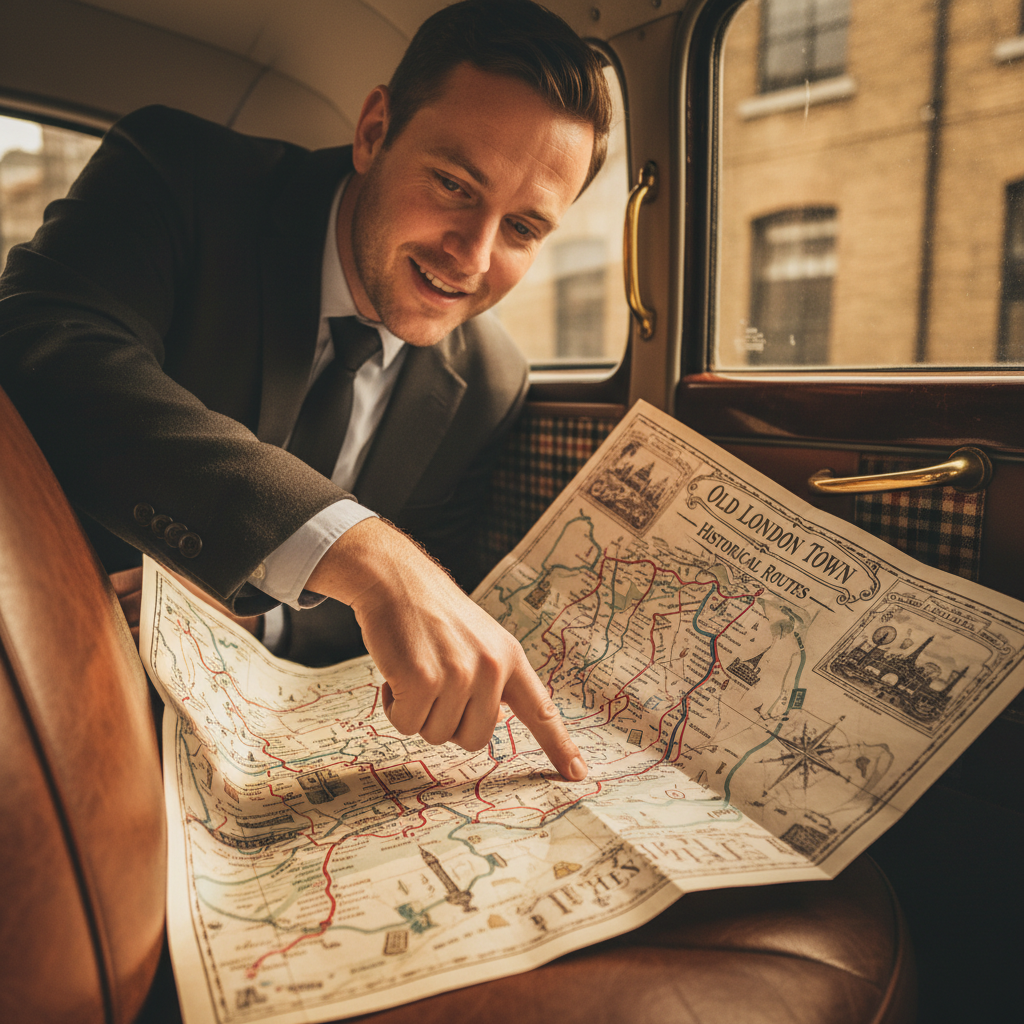
While the Abbey Road zebra crossing remains the most photographed spot in global musical history, it represents only a fraction of the Fab Four’s impact on the capital. A comprehensive London music history tour black cab experience allows you to navigate the specific geography of their rise, from the early frenzy of 1963 to their experimental final years.
The journey often begins at the London Palladium on Argyll Street. This is the site where the term Beatlemania was officially coined following their televised performance for Val Parnell’s Sunday Night at the London Palladium. From the elevated vantage point of a traditional cab, you get a clear view of the stage door where police once struggled to contain thousands of fans. Just a short drive away in Marylebone, we can visit Boston Place and the station entrance, locations instantly recognizable as the setting for the iconic opening chase sequence in the film A Hard Day’s Night.
In the heart of Mayfair stands 3 Savile Row, the former headquarters of Apple Corps. This narrow, prestigious street is difficult for large tour buses to navigate, but a black cab can pause right outside the building. Looking up from the passenger window, you can see the roof where the band performed their final live set in January 1969; an impromptu concert that brought the West End to a standstill.
As we transition toward the leafier residential areas of North London, the tour moves to St. John’s Wood. Beyond the famous studios, we visit Paul McCartney’s long term home on Cavendish Avenue. Purchased in 1966, this house served as a creative sanctuary during the recording of Sgt. Pepper’s Lonely Hearts Club Band. The agility of a cab allows for a quiet, respectful observation of these residential landmarks that are often inaccessible to standard group tours. This level of detail is a hallmark of a curated London History Tour, ensuring you see the private world of the band alongside their public milestones.
David Bowie and the Glam Rock Revolution in Soho
As the 1960s gave way to the experimentalism of the 70s, the center of gravity for London’s music scene shifted deeper into the labyrinth of Soho. This district served as the engine room for the glam rock revolution, a place where the proximity of recording studios and basement clubs fostered a unique creative density. Navigating these narrow, one-way streets is where the expertise of a driver on a London music history tour black cab becomes invaluable. While large tour buses are relegated to the perimeter roads like Oxford Street, a black cab can pull directly into the heart of the action.
Our route takes us to Heddon Street, a quiet cul-de-sac off Regent Street. This is the site where David Bowie, draped in a jumpsuit and clutching a Gibson guitar, was photographed for the cover of The Rise and Fall of Ziggy Stardust and the Spiders from Mars. Standing by the blue plaque in this pedestrianized pocket, you can see how the shadows of the alleyway still echo the album's moody aesthetic. Just a short distance away lies St Anne’s Court, the location of the legendary Trident Studios. It was within these walls that Bowie recorded Hunky Dory and Space Oddity, utilizing the same Bechstein piano used by the Beatles at the height of their career.
To understand the social fabric of this era, we visit the site of the former Gioconda Café on Denmark Street. Known as the hub of Tin Pan Alley, this was the staging ground for young artists like Bowie and Elton John, who would spend hours drinking coffee and networking with session musicians. Integrating these specific, tucked-away locations into a London History Tour provides a layered understanding of how Soho’s geography fueled the most transformative decade in British rock.
Anarchy in the UK: Mapping the Punk Scene from King's Road to Denmark Street
Bowie’s glam experimentation set the stage for a more aggressive rejection of the musical status quo. To understand the transition from the polished studio sounds of the early 1970s to the raw energy of 1976, we must head west to Chelsea. The spiritual birthplace of punk fashion lies at 430 King’s Road. This was the site of Vivienne Westwood and Malcolm McLaren’s boutique, famously known as 'SEX.' It was here that the visual language of the movement, safety pins, PVC, and torn graphics, was codified and sold to the pioneers of the scene.
The geographical distance between the boutiques of the West and the rehearsal rooms of the center is where a London music history tour black cab proves its worth. We can navigate the thoroughfare of the King’s Road and reach the West End in a fraction of the time it takes to negotiate the Underground. Our route continues to Denmark Street, often called Tin Pan Alley. While it was once the haunt of 1960s pop stars, by the mid 1970s, it housed the Sex Pistols’ rehearsal space at No. 6. The band lived in the outbuildings here, leaving behind graffiti that remains a hidden relic of the era.
Just a short drive from Tin Pan Alley is the 100 Club on Oxford Street. This basement venue hosted the legendary 1976 Punk Special, featuring the Sex Pistols, The Clash, and Siouxsie and the Banshees. Seeing these sites in quick succession as part of a London History Tour makes the rapid, chaotic rise of the genre tangible, linking the radical fashion of Chelsea directly to the sonic rebellion of the West End.
Britpop Battles: Oasis vs Blur and the Camden Sound
By the mid 1990s, the center of gravity for the UK music scene shifted north to Camden Town. This era, defined by the fierce rivalry between Blur and Oasis, transformed local pubs into cultural battlegrounds. On a London music history tour black cab, we navigate the busy streets of NW1 to visit The Good Mixer. This unassuming pub on Inverness Street became the epicenter of the Britpop scene; it was the neutral ground where members of Elastica, Pulp, and Blur famously congregated to escape the paparazzi.
Just a few streets away stands the Dublin Castle on Parkway. This venue remains a pilgrimage site for indie fans, having served as the launchpad for Blur’s early career and a second home for Suggs of Madness. The Camden Sound was characterized by a specific North London art school sensibility, which stood in sharp contrast to the raw, Mancunian bravado brought to the capital by Oasis. While Blur may have technically won the 1995 Battle of Britpop when their single, Country House, outsold Roll With It, the geography of the movement was split between these North London haunts and the West End.
The tour then pivots back toward Soho to visit Berwick Street. This narrow market thoroughfare is the setting for the cover of the Oasis masterpiece, (What’s the Story) Morning Glory?. While shoppers today browse the vinyl bins at local institutions, the perspective from the street remains instantly recognizable to music historians. Connecting the gritty pubs of Camden to the record shops of Soho is a logistical challenge on foot, but the efficiency of a private cab allows for a comprehensive London History Tour that captures the full scope of the 90s boom without wasting time in transit.
The Arrive and Explore Advantage: Airport Pickups and Music Tours
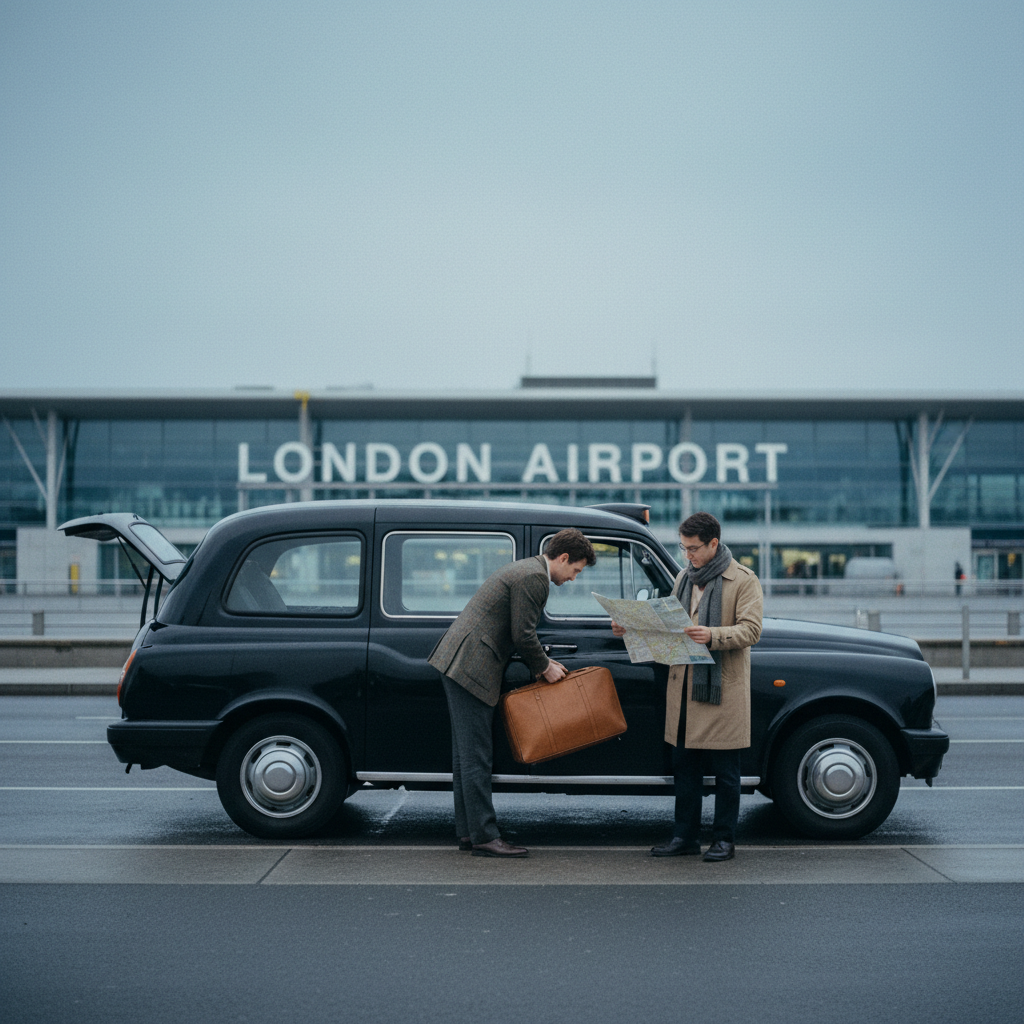
The efficiency of a private cab is particularly valuable for those arriving from overseas. Landing at Heathrow or Gatwick often leaves travelers in a logistical limbo, as flights frequently touch down hours before a standard hotel check-in time. The Arrive & Explore service bridges this gap by transforming necessary Airport Transfers into an immediate immersion into British culture. Your London music history tour black cab meets you directly at the arrivals hall; your luggage remains securely stowed in the spacious passenger compartment, allowing you to begin your itinerary without an initial detour to the hotel.
This strategy maximizes a limited stay, turning the transit from the airport into a curated London History Tour. You can visit the iconic Abbey Road crossing or the former boutiques of the King’s Road before ever seeing your hotel lobby. By the time the driver drops you at your accommodation, your room will be ready for check-in. It is a practical, sophisticated solution for reclaiming the first day of your trip, ensuring no time is lost to transit or waiting rooms.
Planning Your Private Music Tour: Customization and Practical Tips
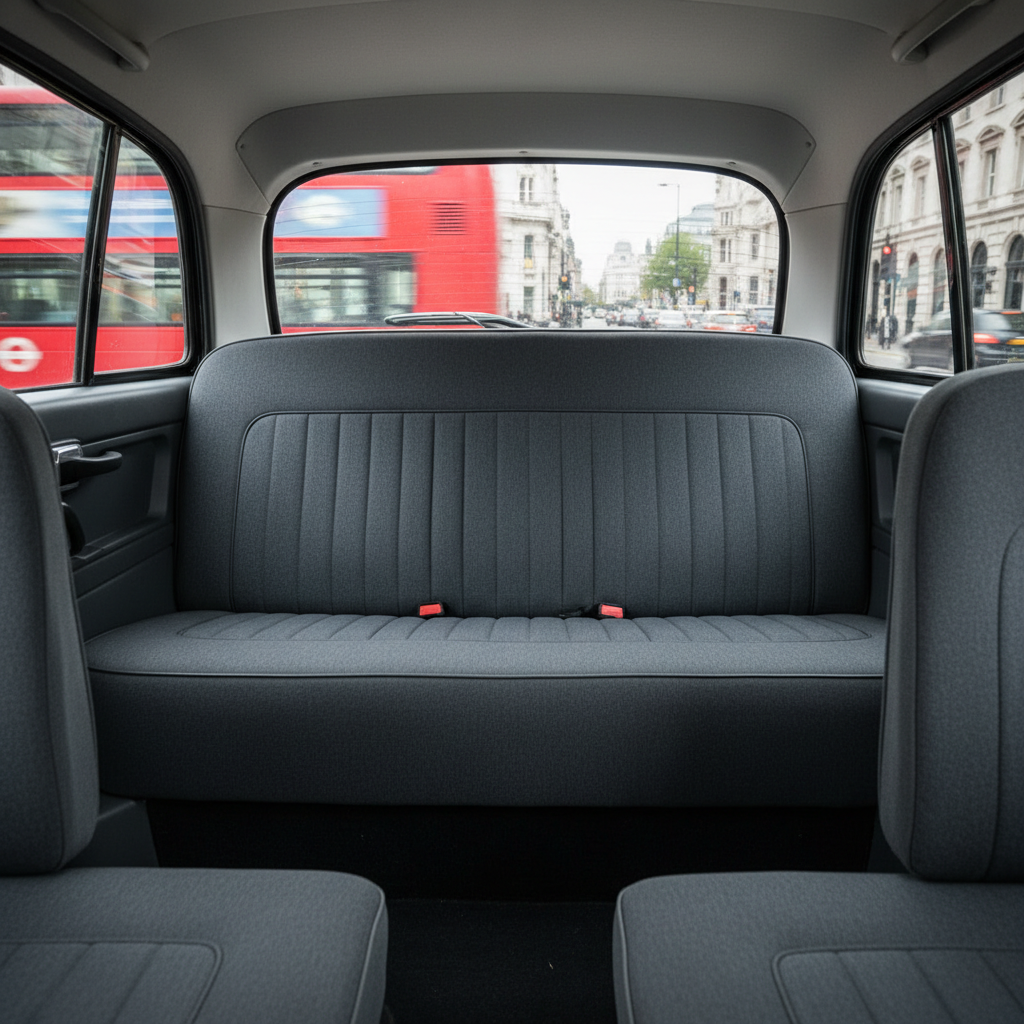
Effective planning transforms a standard sightseeing trip into a personalized deep dive into the industry. A typical London music history tour black cab runs between three and four hours, which is the ideal duration to cover several distinct neighborhoods without fatigue. The primary advantage of a bespoke London History Tour is the ability to dictate the pace; you can spend more time at the Abbey Road crossing and less on genres that do not align with your record collection.
Because your driver has mastered the Knowledge, the legendary training required to navigate London’s 25,000 streets, they can identify the most efficient routes between eras. While large buses are restricted to major thoroughfares, a black cab can pull into narrow mews and quiet residential squares. This allows for door-to-door access to hard to reach landmarks, such as the flat where Jimi Hendrix lived or the private homes of the Rolling Stones.
To prepare for your journey, keep the following practicalities in mind: - Carry a camera or smartphone for landmarks that are often missed on foot. - Wear comfortable footwear if you plan to walk the famous Marylebone or St. John’s Wood crossings. - Communicate your specific artist preferences during the booking process to ensure a tailored route.
You can reserve your tour through our website by selecting your preferred landmarks. For those looking to maximize their first day in the city, the Arrive & Explore option seamlessly combines your Airport Transfers with a custom musical itinerary.
London’s musical legacy is a vast tapestry that spans generations, from the revolutionary sounds of the sixties to the iconic stages of the Britpop era. While discovering these landmarks independently is rewarding, a black cab provides a truly intimate look at the stories behind the songs. If you want expert help navigating these legendary sites, we are ready to assist. You can further expand your journey through our London History Tour, which offers a comprehensive look at the events that shaped this remarkable city.