Beat the crowds at London landmarks by booking skip-the-line tickets in advance and prioritizing visits during early morning or late evening hours. Exploring business districts on weekends or opting for quieter alternatives like Hampstead Heath also provides a more peaceful experience away from peak tourist traffic.
Standing shoulder to shoulder with thousands of other travelers while trying to glimpse the Crown Jewels often transforms a bucket list moment into a grueling test of patience. There is nothing more frustrating than arriving at Westminster Abbey only to find the queue stretching around the block, effectively erasing your carefully planned afternoon. For the discerning visitor, London should be a city of discovery rather than a series of crowded holding pens. Understanding the specific rhythm of the capital is essential for preserving the sophistication of your journey. In this tactical guide, we share the professional driver's perspective on outsmarting the masses. You will discover how to time the Big Four landmarks perfectly, leverage your arrival morning before hotel check-in, and identify hidden historical gems that offer a quieter, more authentic experience. It is time to navigate London with precision and ease.
The Local Driver's Perspective on London Crowds
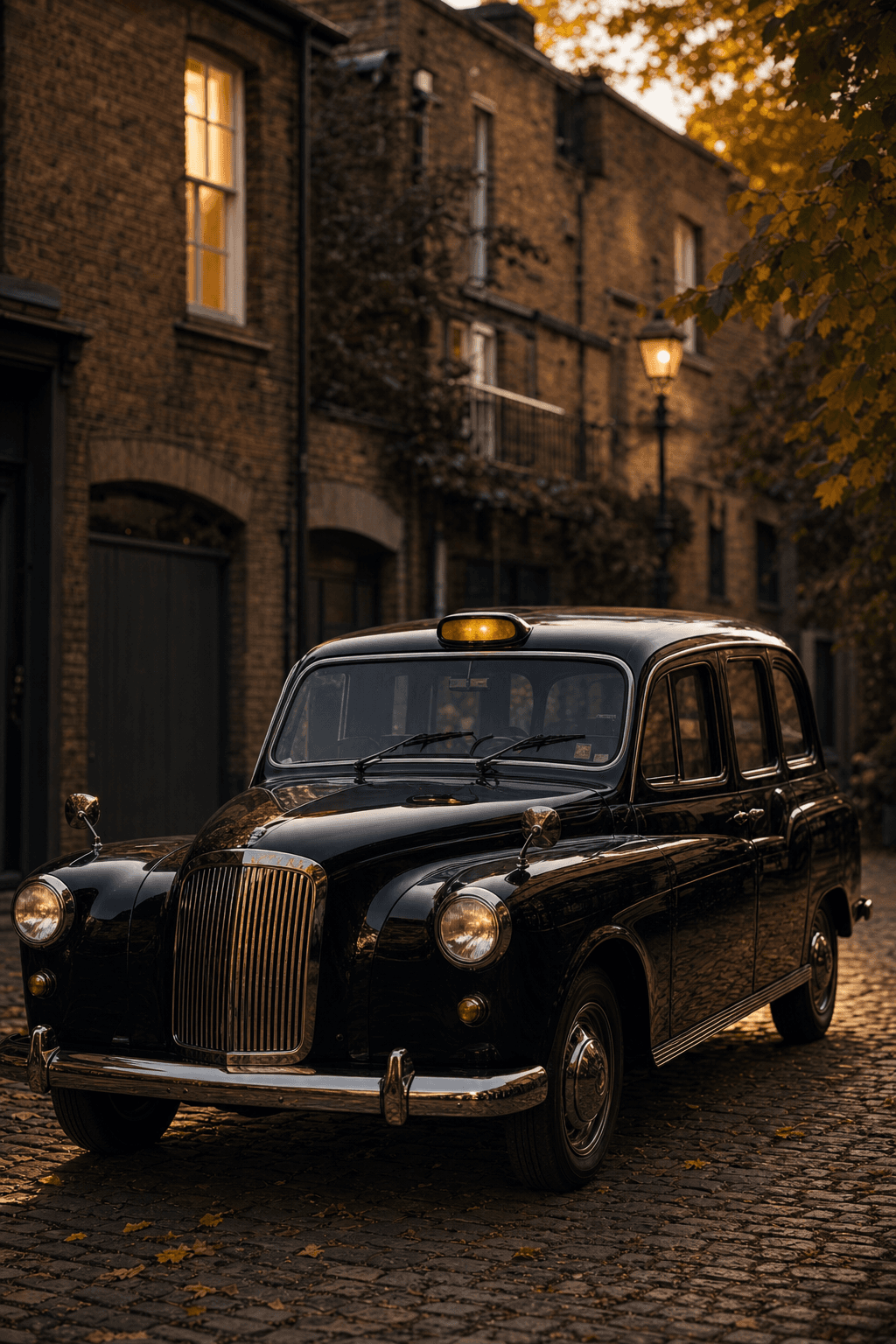
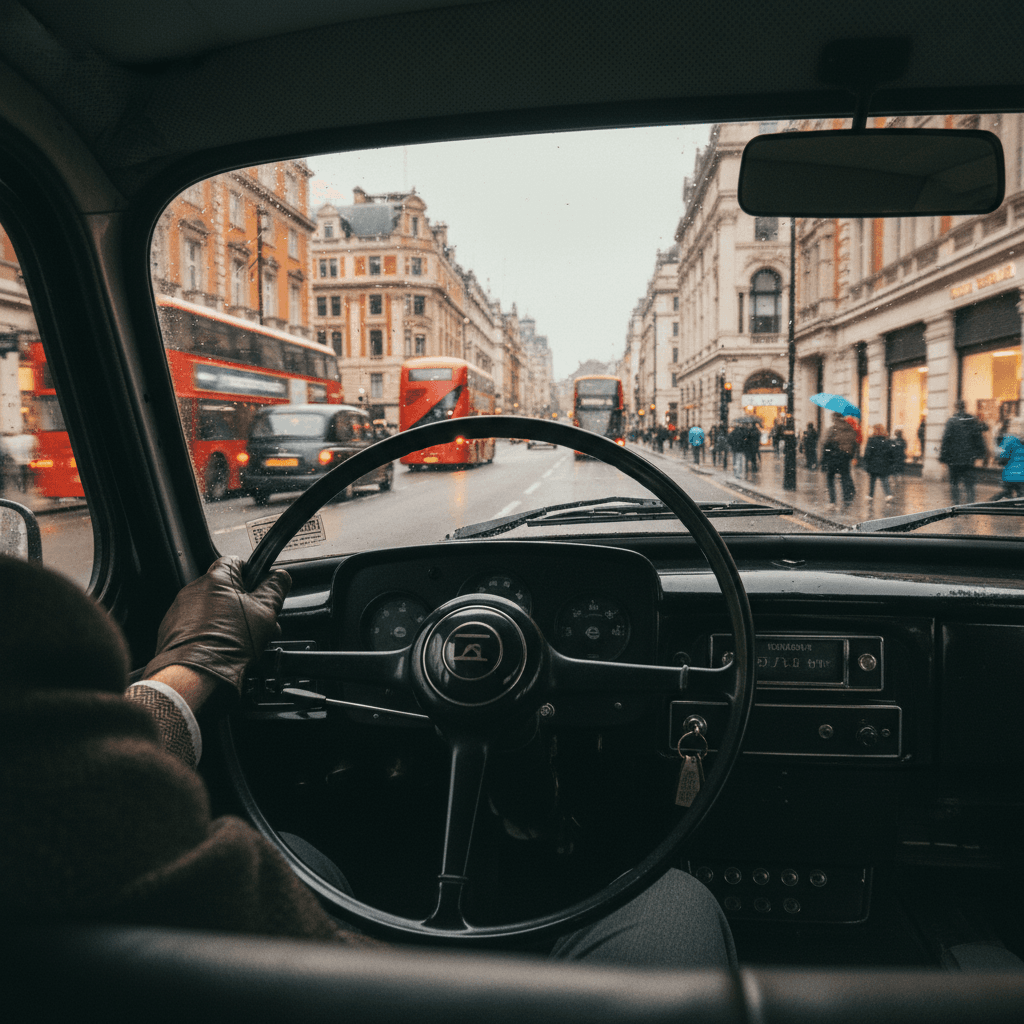
London hosts over 20 million visitors annually. From the driver’s seat of a black cab, this volume is not just a statistic; it is a visible, rhythmic movement that dictates the city’s daily pulse. At Tours and Terminals, our perspective is built on years of observing the specific patterns of the capital. We know exactly when the pavements at Westminster start to swell and precisely when the queues at the Tower of London become unmanageable.
Most visitors fall into a predictable cycle, following the same routes at the same peak hours. The local professional experience is different, relying on a nuanced understanding of the city’s micro-climates. To successfully beat the crowds London landmarks require a tactical approach that prioritizes timing and positioning over sheer luck.
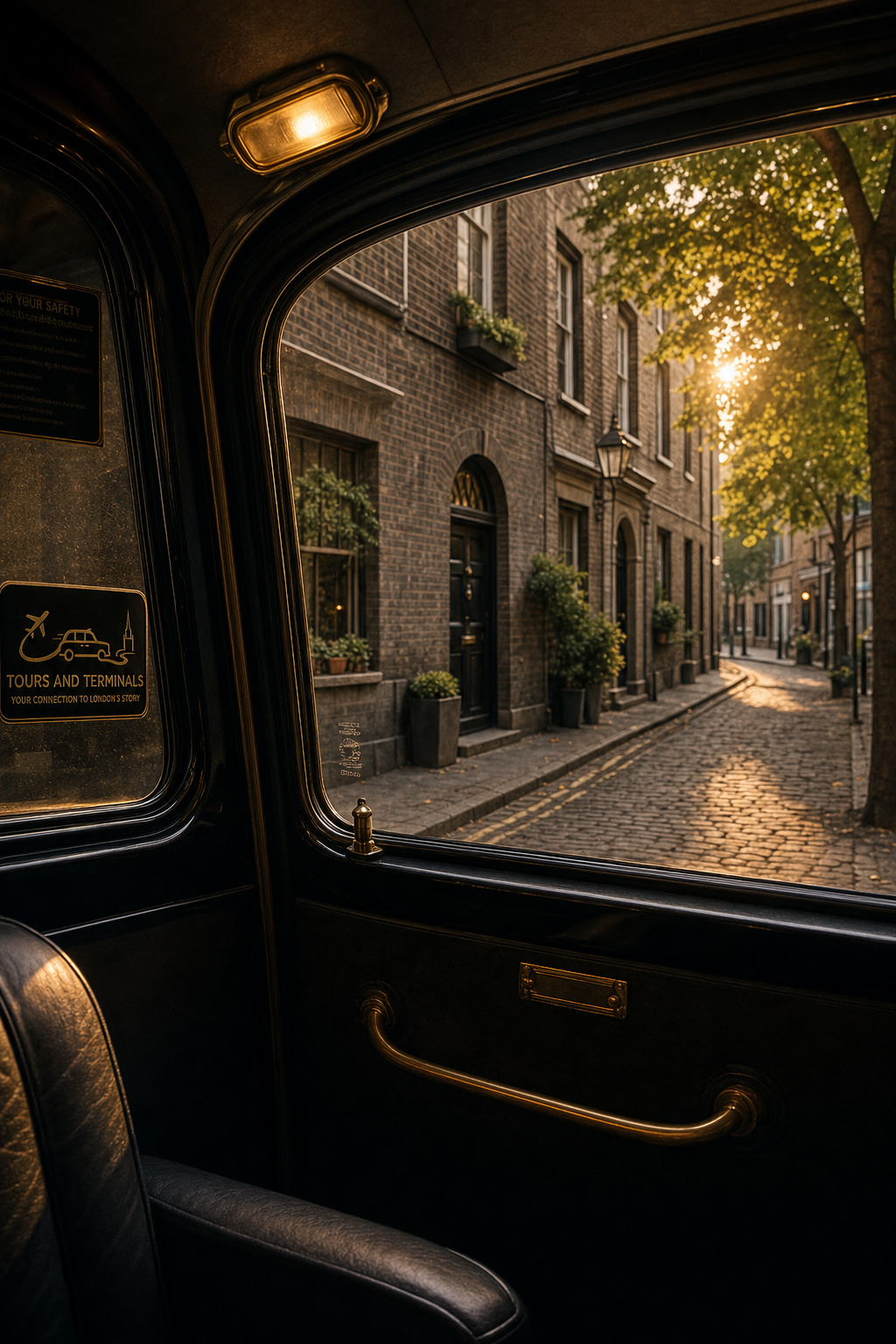
While the Underground is undeniably fast, it is often the most congested environment in the city. Navigating the Tube during peak hours is a quintessential tourist struggle, yet it lacks the comfort and visibility of the street level. By choosing customizable history tours or specialized airport pickups with guided tours, you avoid the subterranean crush. This allows you to witness the city's grandeur from a private, elevated vantage point while maintaining a pace that avoids the typical tourist trap exhaustion.
Timing the City: Beyond Just Going Early
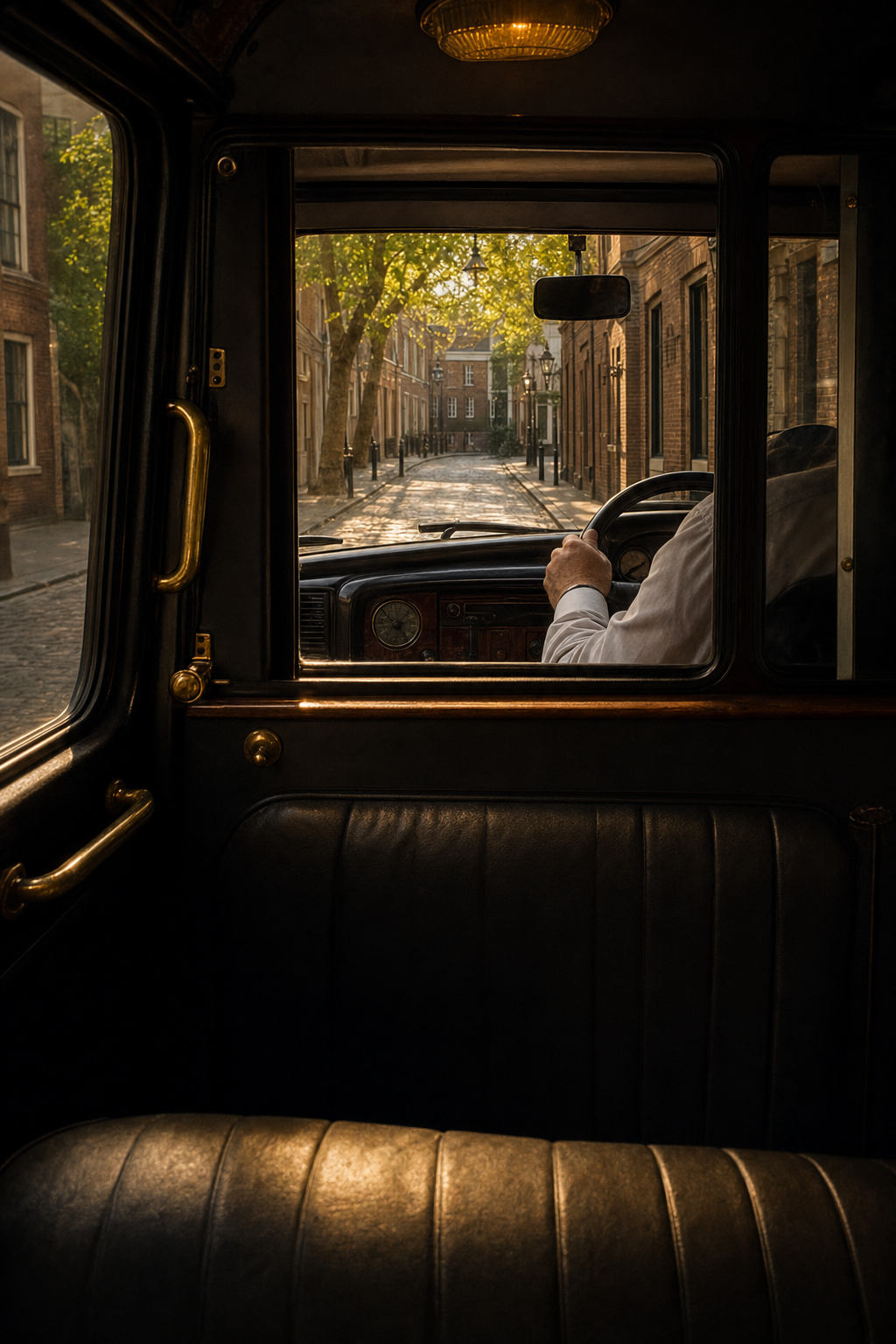
Navigating the capital efficiently requires moving beyond the generic advice of arriving early. To truly beat the crowds London landmarks demand an understanding of shoulder hours. These are the specific windows when the city transitions between its commuting and touring phases. From our experience behind the wheel, we recommend targeting the 8:00 AM to 10:00 AM window. During these two hours, the city is waking up, but the heavy influx of large tour groups has yet to reach the main gates. A second tactical opportunity arises after 4:30 PM, as the midday rush begins to dissipate and the late afternoon light provides a superior backdrop for photography.
Specific late-night openings provide another significant advantage for the savvy traveler. The British Museum, for instance, remains open until 8:30 PM on Friday nights, offering a much more atmospheric experience than the high-density weekend hours. Similarly, the Science Museum hosts 'Lates' on the last Wednesday of each month. These events provide a rare chance to explore the galleries in a more sophisticated, child-free environment that is far removed from the school-holiday madness.
Choosing the right day of the week is equally vital, and this often means debunking the 'Wander on the Weekend' myth. Many visitors believe Saturday is the ideal time for a casual stroll through history, yet locations like Covent Garden and the South Bank reach their peak congestion during this time. For a quieter, more authentic experience, we suggest exploring the City of London, the capital's financial district, on a Saturday or Sunday. Because the area revolves around global finance, the streets become remarkably still once the work week ends. This provides a serene, almost cinematic atmosphere for customizable history tours focused on the capital’s oldest architecture, including the many Christopher Wren churches that remain tucked between modern glass skyscrapers.
Strategic Entry: Tactical Tips for the Big Four
To truly beat the crowds London landmarks present, one must look beyond the main gates and official signage. The most famous sites in the capital are victims of their own success, but they can be navigated with precision if you use the right access points.
At the Tower of London, most visitors congregate at the main West Gate ticket office. The tactical entry point is the Middle Tower. If you arrive precisely at the opening time, you can bypass the initial bottlenecks and reach the Crown Jewels before the first large tour groups have cleared security. For a truly unique experience, we recommend booking the Ceremony of the Keys. This 700 year old tradition occurs after the gates close to the public, providing a hauntingly quiet perspective of the fortress that few tourists ever witness.
The British Museum suffers from massive security queues at its Great Russell Street entrance. A professional secret is to use the Montague Place entrance at the rear of the building. This entry point is primarily used by researchers and local residents; it usually has a fraction of the wait time and leads you directly into the North side of the museum, near the King’s Library. This allows you to start your exploration in the quieter galleries before working your way toward the more congested Egyptian rooms.
For the London Eye, mid-day queues on the South Bank often involve long waits in direct sun. Booking a sunset slot is a superior strategy. Not only is the light better for photography, but the peak afternoon rush typically begins to subside by this time. If privacy is your priority, a private pod remains the most effective way to avoid the boarding rush entirely, ensuring a climate-controlled environment away from the general public.
Westminster Abbey is perhaps the most crowded site for history enthusiasts. While customizable history tours provide excellent context for the Abbey’s exterior, entering as a standard visitor can feel rushed. Instead, attend an Evensong service. Usually held at 5:00 PM, this allows you to sit within the Gothic Quire and experience the architecture as it was intended: through music and stillness. It is a peaceful, dignified way to see the interior without the distraction of thousands of other visitors. These tactical shifts ensure your visit remains a sophisticated exploration rather than a test of endurance.
Arrive and Explore: Beat the Crowds Before Your Hotel Check-In
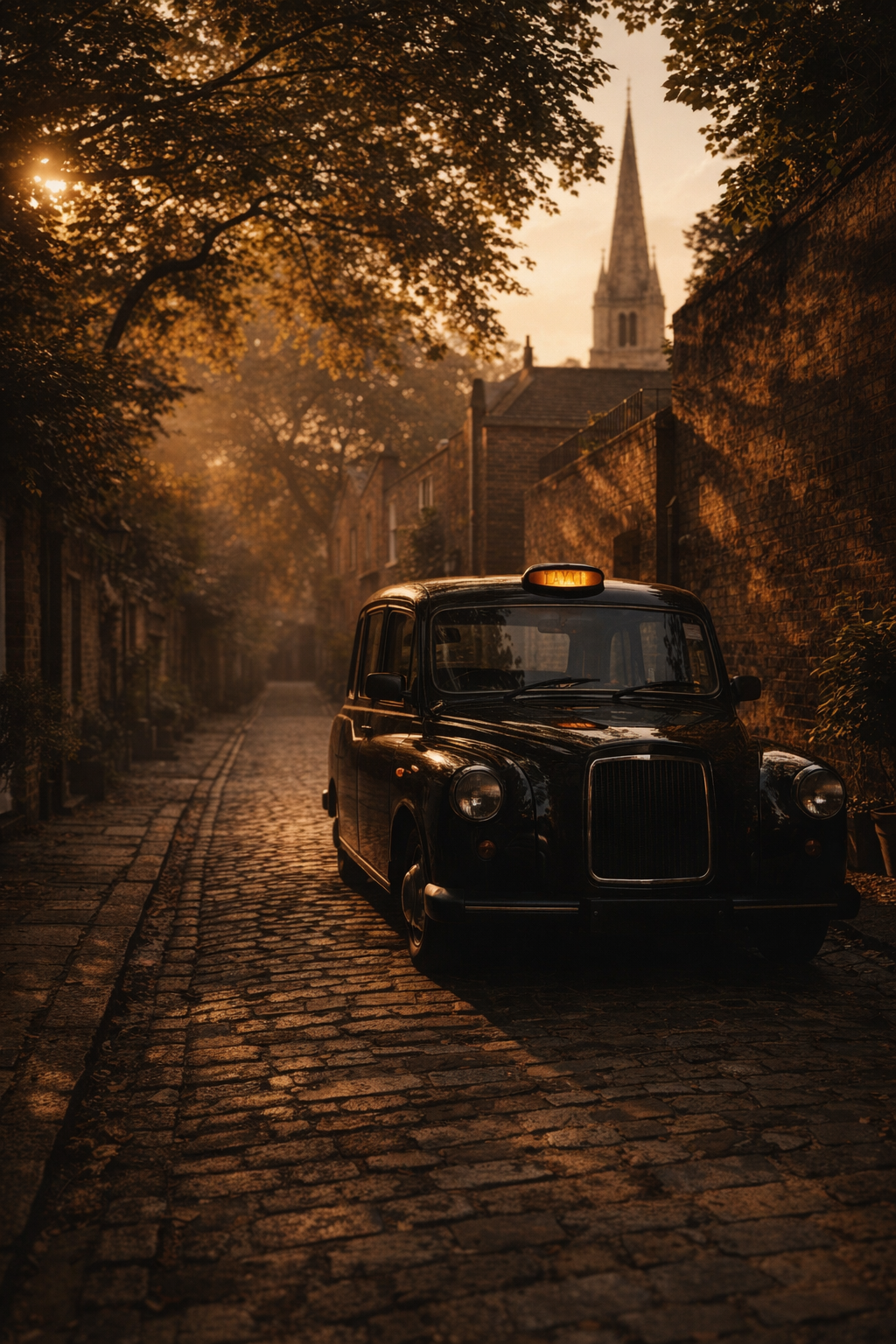
The period between touchdown at Heathrow or Gatwick and a mid-afternoon hotel check-in is the most underutilized window in a typical itinerary. Most travelers spend these initial four to five hours in a state of transit fatigue, sitting in hotel lobbies or wandering aimlessly while waiting for their rooms to be ready. This dead time actually represents the most tactical opportunity to beat the crowds London landmarks attract later in the day.
By choosing airport pickups with guided tours, you transform a standard transfer into a high-value sightseeing window. While the majority of the city is still at breakfast or navigating their first Tube journey, you can be positioned outside Buckingham Palace or Westminster Abbey. At 8:30 AM, the heavy rotation of tour buses has not yet arrived, and the morning light on Big Ben is unencumbered by the thousands of pedestrians who will soon fill the Bridge and South Bank.
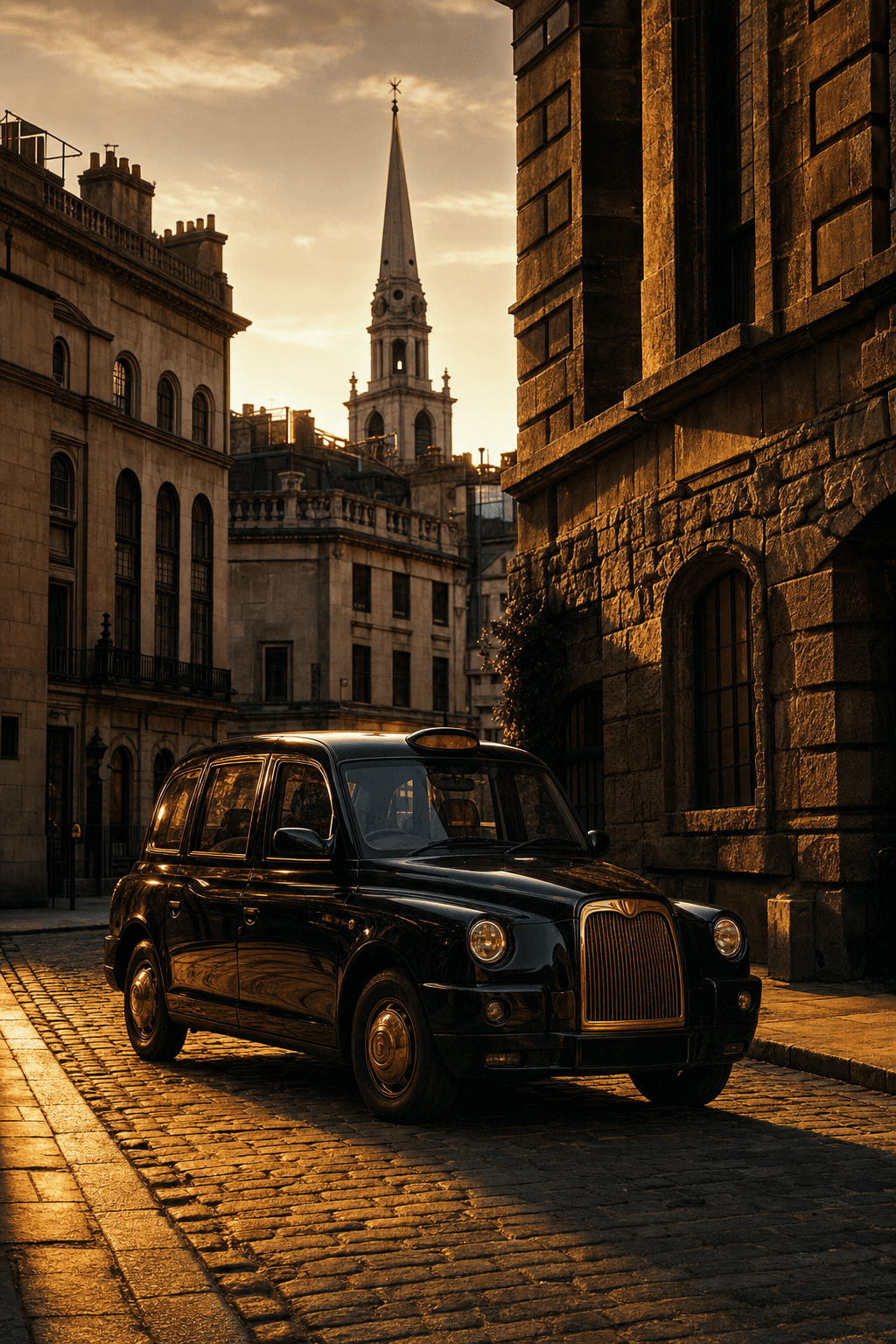
Our black cabs are uniquely suited for this approach. They provide ample space for your luggage, allowing you to bypass the hotel bag-drop entirely and head straight to the historic heart of the capital. This strategy effectively steals back a half-day of your trip. Instead of viewing London through a haze of jet lag and crowded pavements, you experience the city’s most iconic sites during their quietest moments, all before you even receive your room key. It is a sophisticated way to reclaim your time and ensure your first impression of the city is one of architectural clarity rather than crowd management.
Swap the Tourist Trail for Hidden Historical Gems

Transitioning from the most famous landmarks requires a tactical shift in geography. While the South Bank is a staple of many itineraries, it often becomes a wall of pedestrians by mid-afternoon, making it difficult to appreciate the riverside views. For those seeking architectural gravitas without the noise, the City of London contains London's best kept secrets. The Temple district, for instance, offers a labyrinth of medieval and 17th-century courtyards that remain remarkably still, particularly on weekends. Walking through Middle Temple Lane provides a sense of seclusion and history that is impossible to find near the modern glass attractions of the South Bank.
The historical depth typically associated with Westminster Abbey can be experienced elsewhere without the two-hour wait or the steep entrance fees. Many of the Christopher Wren churches scattered throughout the Square Mile offer world-class Baroque craftsmanship and deep ties to the Great Fire of 1666. Sites like St. Mary-le-Bow or St. Stephen Walbrook allow for a quiet, contemplative experience of the city’s spiritual history. These locations offer the same level of artistic detail as the major cathedrals but are often entirely overlooked by the general public.
Incorporating these quieter sites into customizable history tours ensures your time is spent engaging with the city’s narrative rather than managing the friction of a crowd. These spots represent the authentic, layered history of the capital. By swapping the over-saturated tourist routes for these hidden gems, you maintain a sophisticated pace that prioritizes discovery over endurance, allowing the true character of London to reveal itself away from the flashbulbs.
How to Not Look Like a Tourist and Navigate Like a Local
Blending into the London landscape begins with your attire. Londoners typically lean towards a smart-casual aesthetic; dark denim, tailored coats, and versatile layers are the standard. While comfort is paramount, opt for stylish walking shoes like leather brogues or minimalist trainers rather than brightly colored hiking gear. This helps you move through upscale areas or historic sites without feeling out of place.
Social etiquette is equally revealing. Always stand on the right on Tube escalators to allow commuters to pass on the left. Furthermore, a seasoned Londoner knows that taking the Piccadilly Line between Leicester Square and Covent Garden is a tactical error; the distance is a mere five-minute walk, yet navigating the station depths often takes twice as long.
The most effective way to maintain a local’s poise and beat the crowds London landmarks generate is to utilize door-to-door transport. Our black cabs provide a private sanctuary, allowing you to bypass the sweltering heat and congestion of underground stations. By opting for customizable history tours, you avoid the 'commuter' grind entirely, arriving at your destination refreshed and ready to explore without the fatigue of the public transport rush.
Navigating London's busiest sites requires a mix of early starts, strategic planning, and a little local insight. By timing your visits correctly and knowing the quietest routes, you can experience the city's grandeur without the stress of overwhelming crowds. If you would prefer expert help to navigate these historic landmarks seamlessly, we can provide a tailored experience. Consider booking a London History Tour to see the sights comfortably while leaving the logistics to a professional driver who knows every shortcut.