Drop your luggage at your hotel or a storage facility so you can explore the city unencumbered. Engaging things to do in London before hotel check-in include enjoying a traditional English breakfast, visiting landmarks near Victoria or Waterloo, or taking a stroll along the South Bank to stay awake and beat jet lag. These activities provide a perfect introduction to the city while you wait for your room to be ready.
You've landed in London, your hotel room won't be ready until 3pm, and you're standing on a pavement with your luggage wondering what to do with the next several hours. It's one of travel's most common frustrations, and it catches even experienced visitors off guard. But here's the thing: that window of time, handled well, can become one of the most rewarding parts of your trip. In this guide, you'll find practical strategies for dropping your bags, orientating yourself quickly, and making the most of London's early-morning landmarks, including why a guided black cab tour might be the single smartest move you can make before your key card is even in your hand.
The Check-In Gap: Turning Dead Time Into Discovery
You've cleared customs, collected your bags, and made it to your hotel, only to hear those familiar words: "Your room won't be ready until two o'clock." It's 9am. You're running on recycled air and interrupted sleep, and the lobby sofa is looking surprisingly appealing.
But here's the thing. That window, the stretch of morning hours before a London hotel room becomes yours, is one of the most underused gifts a city break can offer. The question of things to do in London before hotel check-in has a far better answer than waiting it out.
London in the early morning is a different city entirely. The light sits low over the Thames, the streets around the City of London carry a quiet that disappears by noon, and the landmarks most tourists photograph through a crowd are yours almost alone. Almost every London hotel will store your luggage at the front desk before your room is ready, usually at no charge. That one small fact changes everything. Bags gone, you're free.
First Things First: Drop Your Luggage and Get Your Bearings
So, bags gone. The first move is simple: head to your hotel, even if check-in is hours away. Most London hotels store luggage as standard, no charge, no fuss. Hand everything over at the front desk, then ask one useful question: what time is the room likely to be ready? A rough estimate, even a loose one, gives you a real time window to plan around rather than a vague sense of waiting.
With that done, the second move is breakfast. A full English is a genuinely good idea here, not just as a cliche but as a proper meal that carries you through a long morning. Most neighbourhoods around central London hotels have a café or two within a short walk, and the coffee will do more for jet lag than a lobby seat ever could.
The journey in from the airport is shorter than many travellers expect. The Heathrow Express reaches Paddington in 15 minutes; the Gatwick Express pulls into Victoria in around 30. The window before your room is ready is far longer than the trip that got you there.
What Opens Early in London: Landmarks Worth Seeing Before 10am
Once bags are stored and breakfast is done, London's early hours open up in ways that surprise even seasoned visitors. The city at 8am is genuinely different from the city at 11am, and that gap works entirely in your favour.
The South Bank is the easiest starting point. The riverside walk between Blackfriars Bridge and Tower Bridge is free, always accessible, and genuinely beautiful in low morning light. At this hour, you'll share it with joggers and dog walkers rather than tour groups. Tower Bridge itself, and the view back toward the City, photographs far better before the crowds arrive. The same is true of the Houses of Parliament seen from Westminster Bridge, an image most visitors capture with heads and shoulders blocking half the frame.
St James's Park is worth knowing about if you're near Westminster. One of London's oldest Royal Parks, it sits at its best before 9am, when the paths are quiet and the pelicans that have lived on the lake since the 17th century are still moving at a leisurely pace.
St Paul's Cathedral opens at 8:30am on weekdays, which makes it genuinely accessible in the pre-check-in window. Arrive early and the nave is calm in a way it rarely is by mid-morning.
The real discovery, though, is the Christopher Wren churches scattered through the City of London. Many open early, admission is free, and almost no general visitor finds their way inside. They are quiet, historically layered, and completely unhurried, which is exactly what a just-landed traveller needs.
A Guided Black Cab Tour: The Smartest Use of Your Pre-Check-In Hours
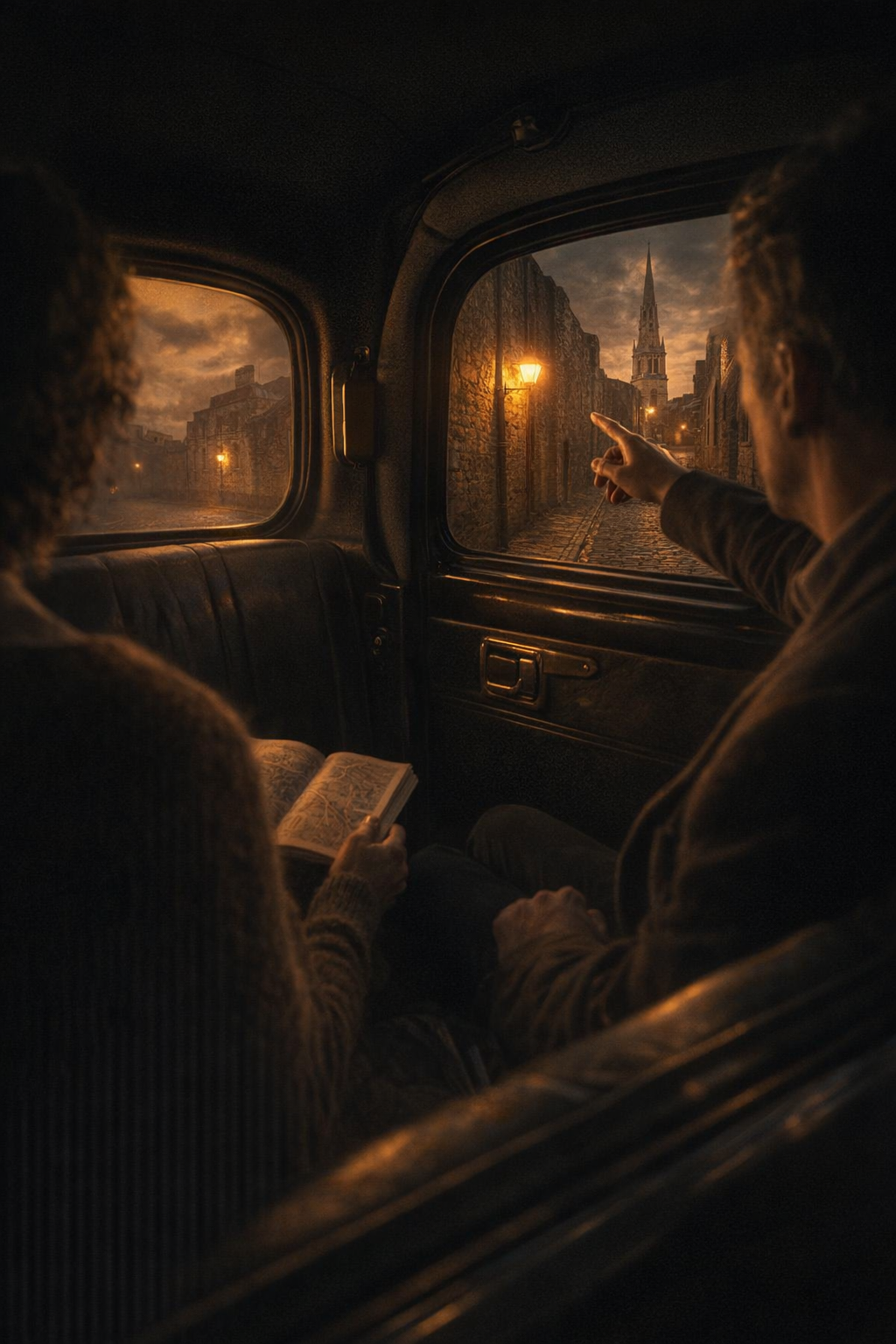
The Wren churches are a useful illustration of something broader. The best of London's early morning, particularly the historically layered, crowd-free version of it, is much easier to reach by black cab than on foot or by tube. That matters more than it sounds when you've just stepped off a transatlantic flight.
A guided London History Tour by black cab solves several problems at once. You cover ground that would take twice as long on foot, you stay warm and seated between stops (genuinely important after long-haul), and the itinerary is shaped around your specific time window rather than a fixed schedule. Three hours available before check-in looks very different from five, and the route adjusts accordingly.
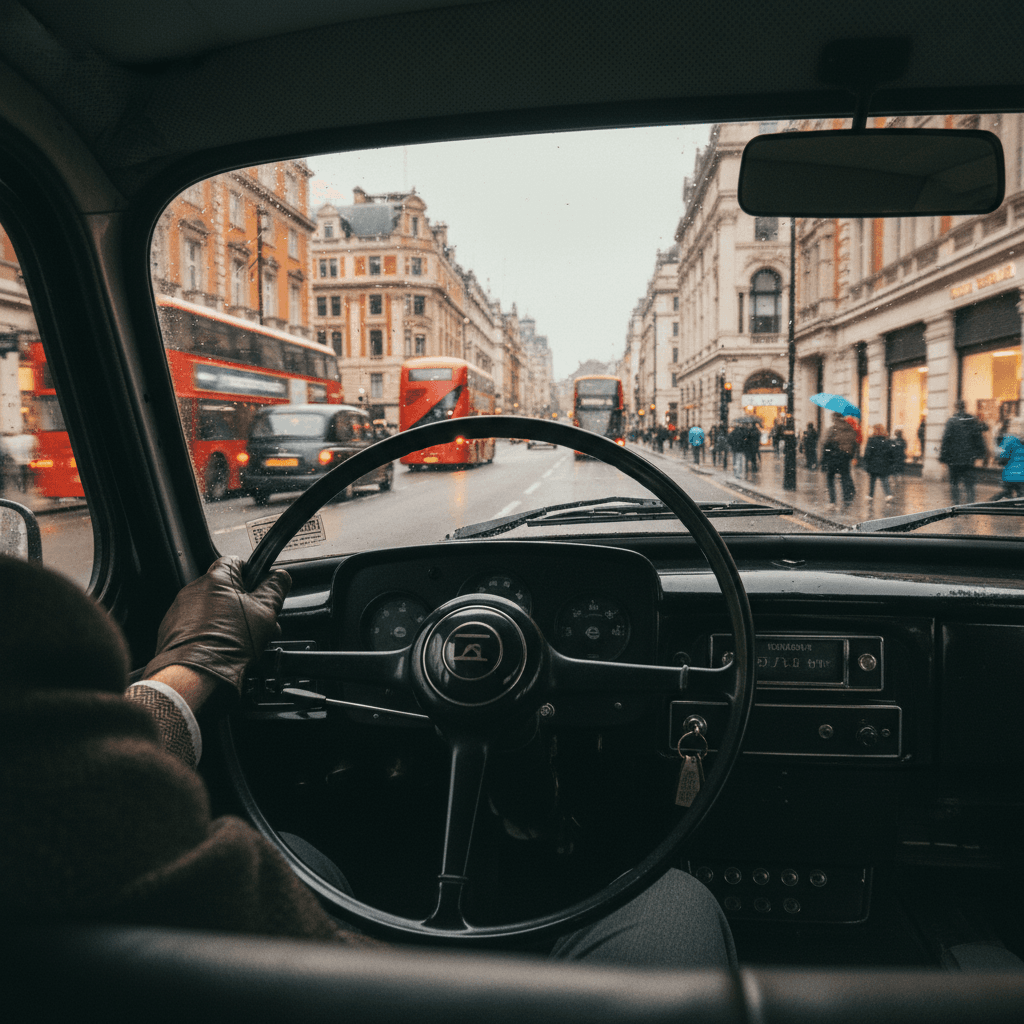
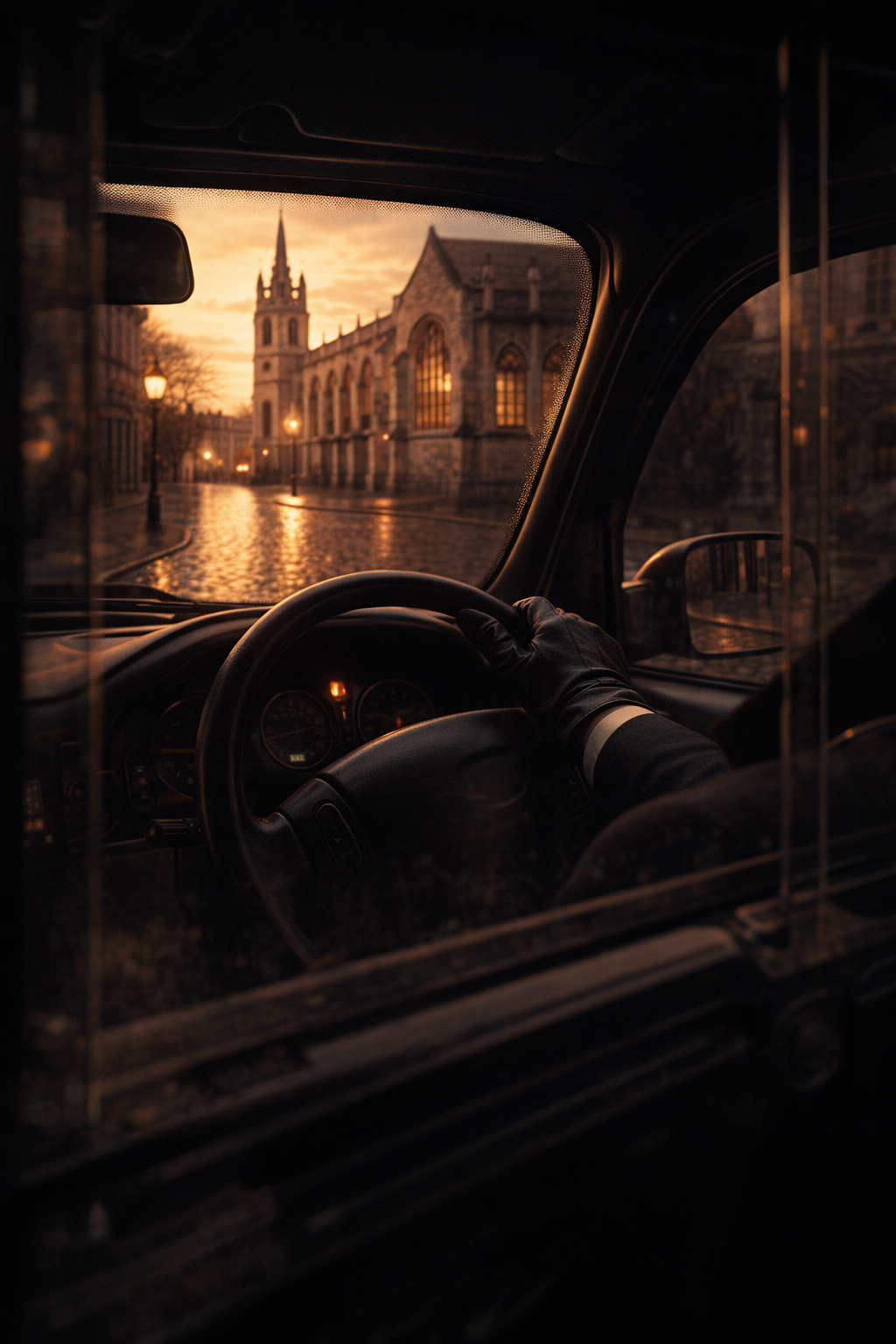
A typical morning circuit might move from the City of London, past the Monument and down toward the Thames, through to Westminster and back via Whitehall. En route, a knowledgeable driver-guide can pull up outside St Bride's on Fleet Street, one of Wren's finest and largely unknown to casual visitors, or pause near St Mary-le-Bow in Cheapside, whose bells have defined the boundary of the true Cockney for centuries. These are places most travellers never find, not because they're difficult to reach, but because no one mentions them.
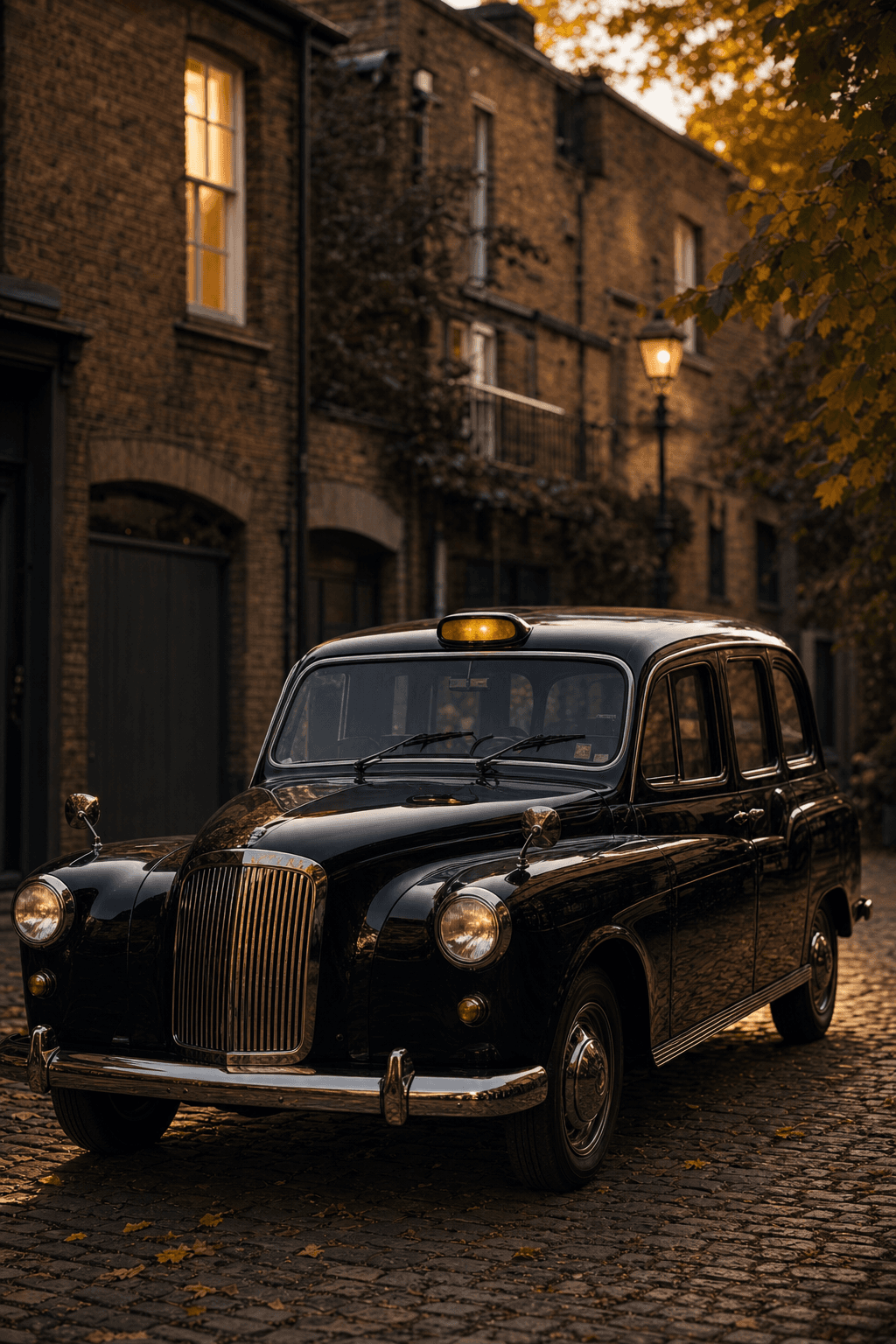
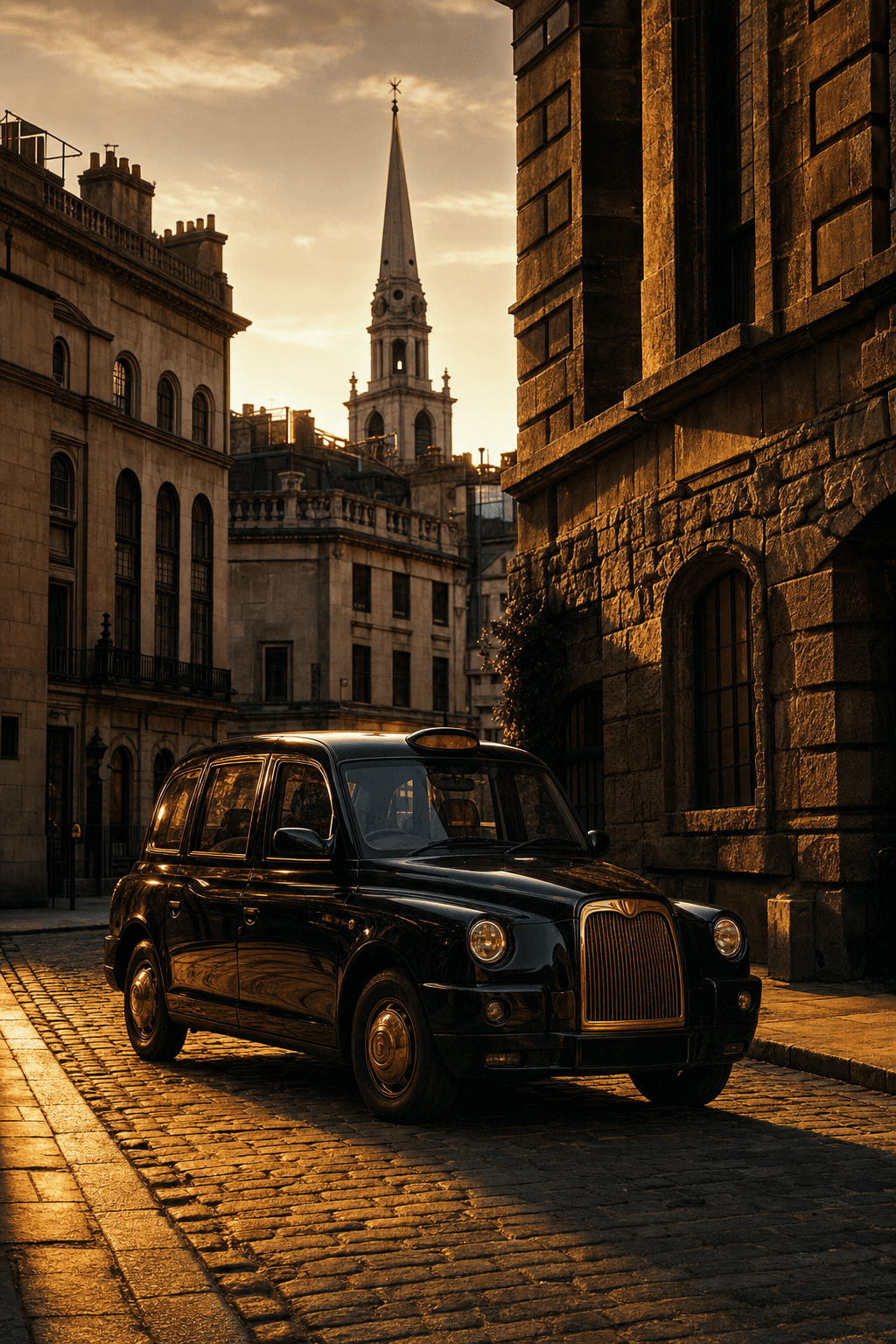
The Arrive and Explore service is built specifically for this kind of morning. Bags stored at the hotel, a private cab waiting, a route curated around your time and interests. The cab itself is part of it. Riding through London in a classic black taxi is not a tourist gimmick; it is genuinely how the city moves, and it remains one of the more quietly satisfying ways to arrive somewhere properly.
A Sample 3-Hour Morning Itinerary for Early Arrivals
What follows is a suggested structure rather than a fixed schedule. Times shift depending on your hotel location and how long you want to linger anywhere. But as a working framework for a morning arrival, this holds up well.
Time | Stop |
|---|---|
8:00am | Bags dropped at hotel front desk; quick breakfast at a nearby café |
8:30am | Depart by black cab from hotel |
8:45am | City of London: Monument, St Paul's Cathedral exterior, Wren church stops |
9:15am | Whitehall corridor: Houses of Parliament, Westminster Bridge |
9:45am | St James's Park or Buckingham Palace gate |
10:15am | Covent Garden or South Bank for coffee and a sit-down |
11:00am | Return to hotel; room likely ready or close to it |
Covered in three hours: two of London's great historic districts, the riverside, the royal parks, and a coffee stop with some atmosphere. On foot, with tube connections factored in while running on no sleep, the same ground would take most of the day.
The private cab removes everything that makes early-morning sightseeing genuinely hard. No ticket queues, no platform changes, no standing in the wrong queue for twenty minutes. The itinerary moves when you move, pauses when something is worth pausing for, and gets you back in time without the anxiety of watching a clock.
For travellers with five hours rather than three, the same circuit simply breathes more. Time opens up for a proper walk along the South Bank, a longer stop in the City, or one of the hidden spots covered in the next section.
Hidden Gems Worth Seeking Out When You Have Time to Spare
For travellers with a broader window, or simply the instinct to go slightly off the beaten track, a few spots repay the detour in ways that most London guides overlook entirely.
Sir John Soane's Museum in Holborn is free to enter and unlike anywhere else in the city. Soane was an architect of obsessive curiosity, and the house he left to the nation is packed with antiquities, architectural fragments, and an original Hogarth series arranged across rooms that feel more like an elaborate puzzle than a museum. It opens at 10am, which fits neatly into a late-morning return window.
The Christopher Wren churches of the City of London deserve more than a passing mention. St Bride's on Fleet Street, built after the Great Fire and long the church of choice for London's press, has a crypt that tells the story of the site from Roman times forward. St Mary-le-Bow in Cheapside is quieter still, and its bells carry a resonance that goes well beyond the Cockney legend most people associate with the name.
Leadenhall Market is worth seeking out even if you have no particular interest in Victorian ironwork. The covered market near the old Roman forum of Londinium is best in the morning, when the light comes through the painted roof and the space is genuinely calm.
Postman's Park, tucked behind St Paul's, is small and easily missed. The Victorian memorial along one wall commemorates ordinary people who died saving others, each tile recording a name, a date, and an act of courage. It is one of the more quietly moving spots in the city.
Practical Tips for Making the Most of Your Pre-Check-In Window
A few practical notes that make the difference between a smooth morning and a stressful one.
Luggage storage is rarely a problem, but it helps to have a fallback. If your hotel can't take bags on arrival, Stasher operates a network of local shops and businesses across central London that hold luggage by the hour. Left-luggage lockers at Paddington, Victoria, and other major stations are a reliable alternative. Neither option is expensive, and both are easy to book in advance.
Comfortable shoes matter more than people expect, even if you're spending most of the morning in a cab. You will walk between stops, and blisters before check-in is a miserable way to start a trip.
Stay awake. Natural light and movement are the most effective tools against jet lag. A morning spent outdoors, rather than in a hotel lobby, actually helps.
Layers beat a heavy coat. London mornings can be sharp even in spring, then warm quickly. A light jacket you can remove is more useful than one you can't.
Data or offline maps are worth sorting before you leave the airport. Google Maps works offline if you download the London area in advance.
Finally, early check-in is sometimes available for a modest fee. It is always worth asking at the front desk when you drop your bags. You may find the gap is shorter than you thought.
Making the most of your first few hours in London turns a potential wait into a highlight of your trip. By planning a short itinerary around central landmarks, you can start your vacation immediately rather than sitting in a lobby. If you prefer to have every detail managed from the moment you land, seeking expert assistance can simplify your transition. Our professional Airport Transfers offer a seamless way to store luggage and begin exploring without any logistical stress; helping you enjoy the city on your own terms.