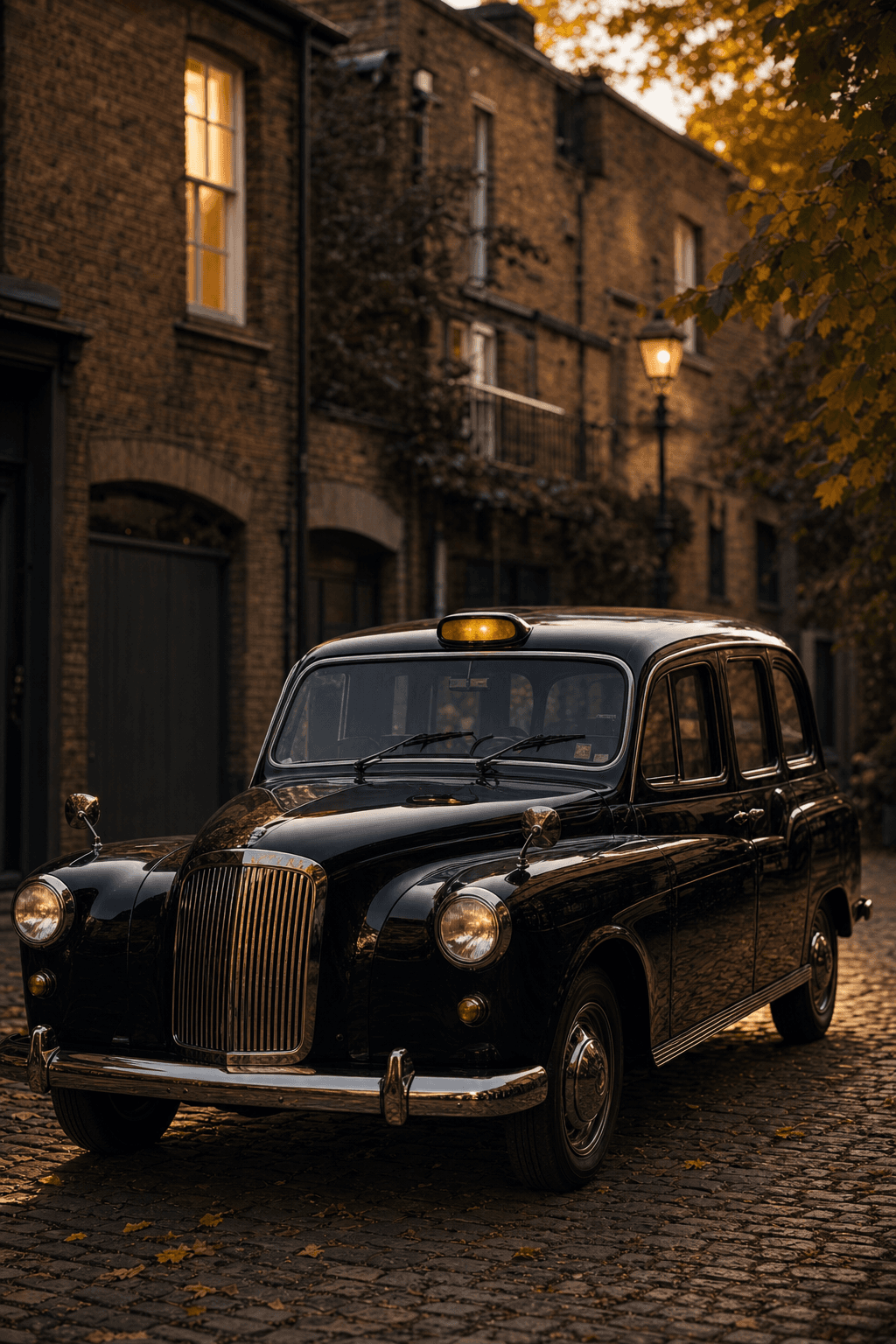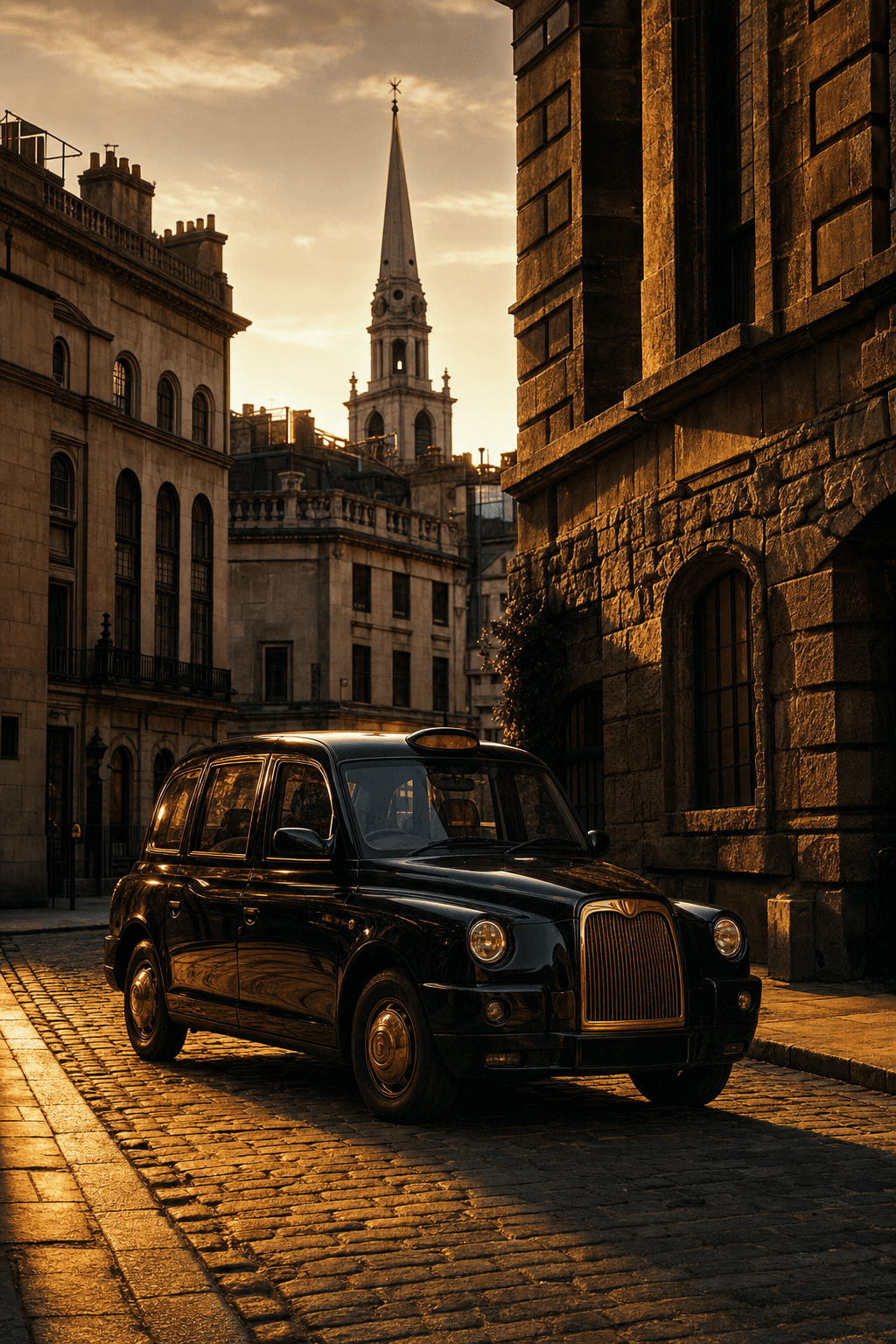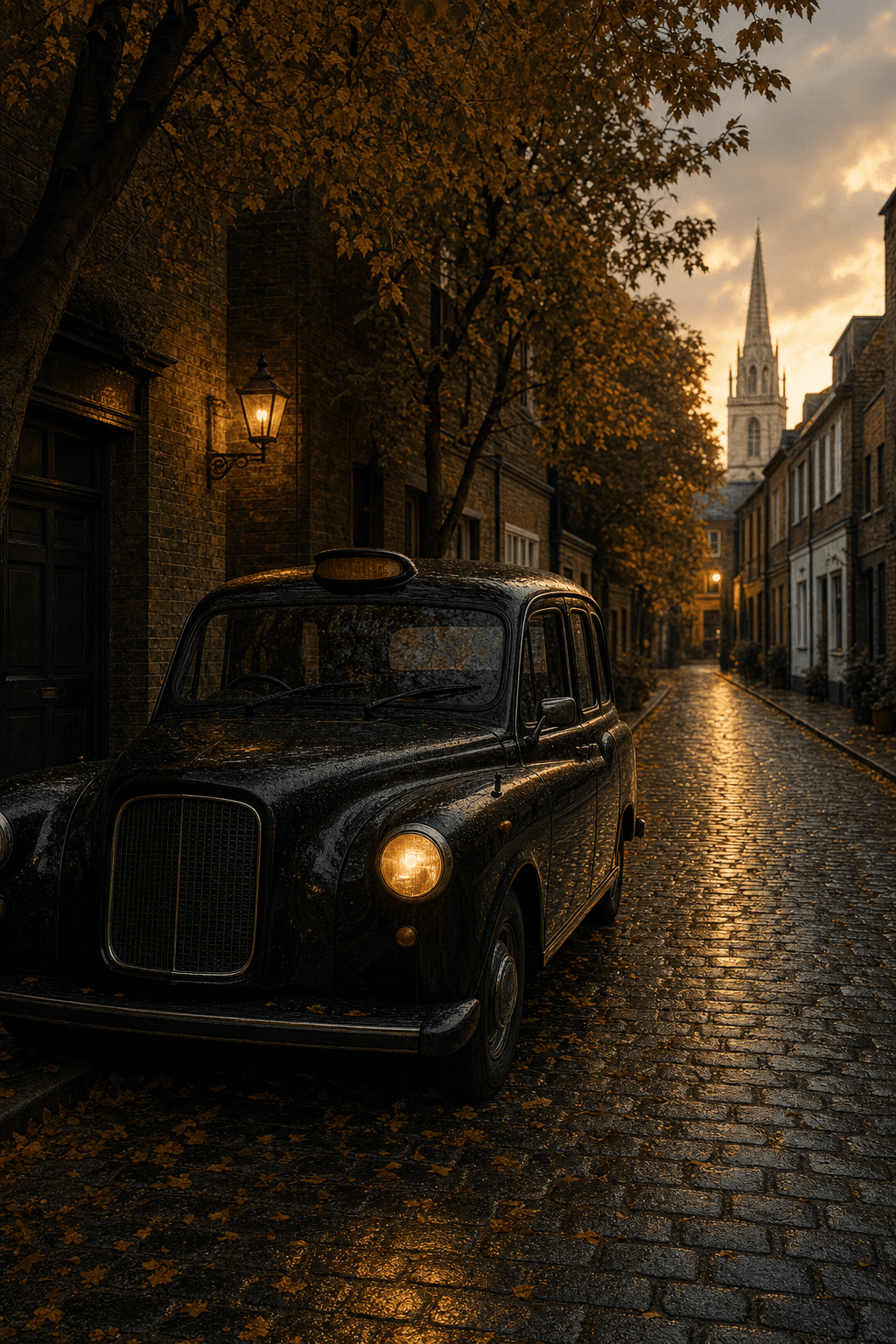
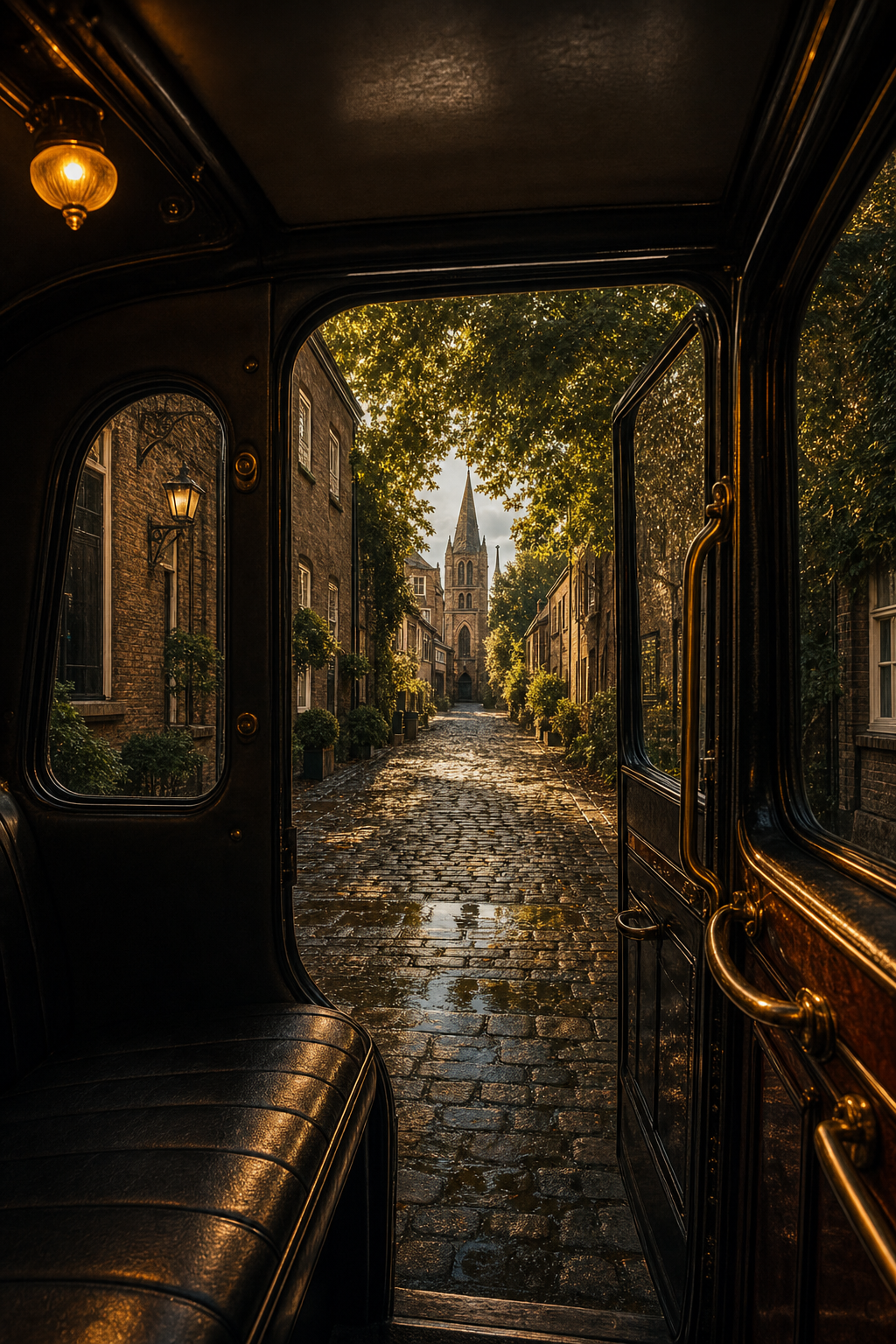
A London literary tour black cab provides an expert-guided journey through the capital's storied past, visiting landmarks from Shakespeare's Globe to the modern haunts of Zadie Smith. This private tour explores famous writing spots like the Charles Dickens Museum and legendary literary pubs while offering the comfort of a traditional taxi. It is a comprehensive route that connects centuries of history; making it the ultimate experience for book lovers visiting London.
Attempting to navigate London’s sprawling literary map on foot often results in more time spent consulting phone screens than admiring historic facades. The city’s most evocative sites are frequently hidden down narrow mews or tucked away in residential boroughs; making the logistics of a self guided tour feel like a chore rather than an inspiration. A private black cab eliminates this navigational friction, providing a seamless transition between centuries of storytelling while offering the comfort required for deep exploration. In this guide, we detail how to leverage the expertise of a licensed driver to traverse the capital’s intellectual history. You will learn how to structure a route that connects the medieval pilgrims of Southwark to the modern prose of Zadie Smith. We examine the essential stops in Bloomsbury and Baker Street, ensuring your literary pilgrimage is as efficient as it is profound.
Why a Black Cab is the Ultimate Vessel for a London Literary Tour
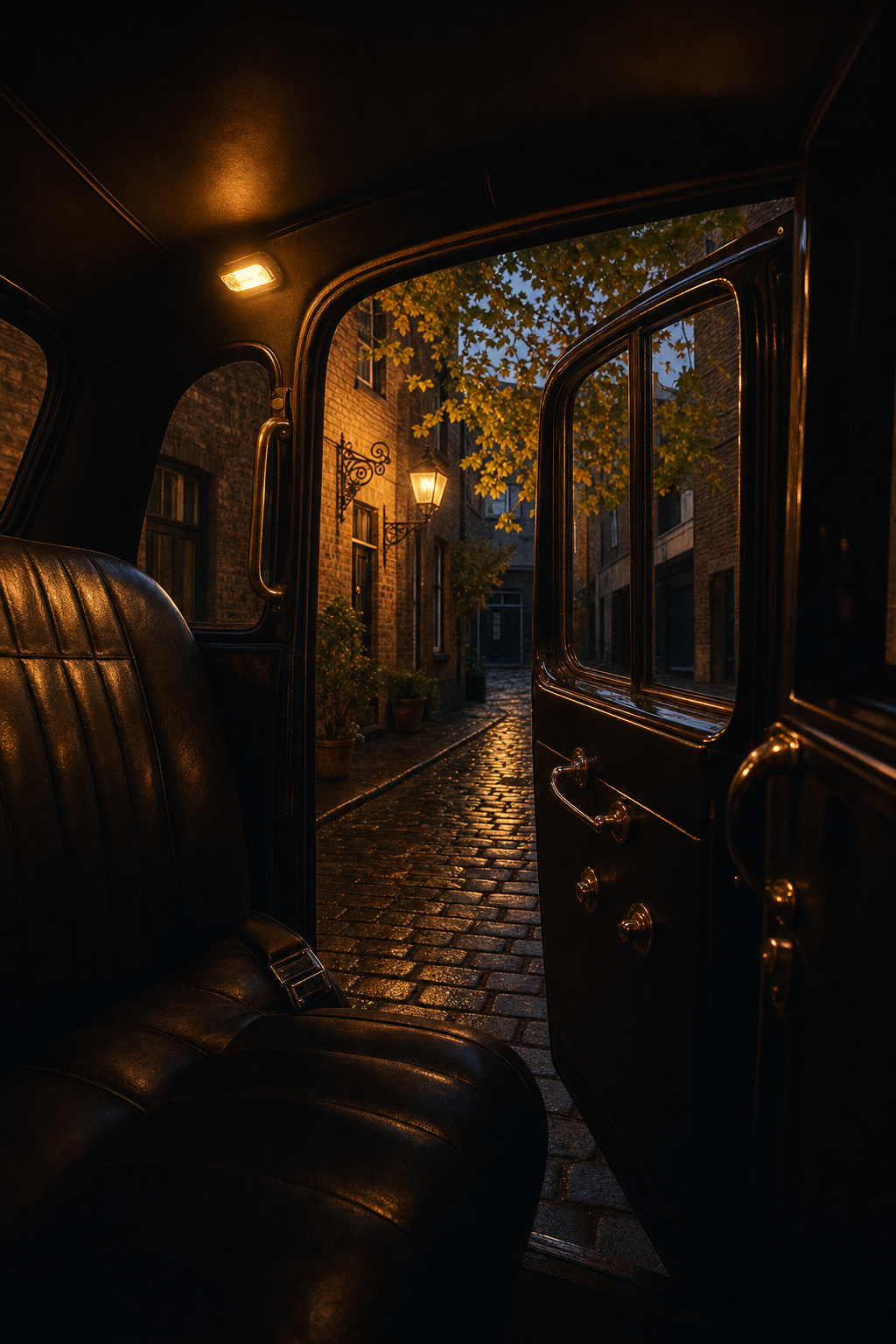
Navigating London’s literary geography on foot often limits a reader to a single chapter of the city’s history. Most walking tours are confined to a few square miles in Bloomsbury or the narrow alleys of the City, forcing visitors to choose between Virginia Woolf’s squares or Charles Dickens’s counting houses. Choosing a London literary tour black cab changes the narrative entirely. It transforms a scattered map of landmarks into a cohesive, chronological journey that spans the capital from the medieval echoes of Southwark to the contemporary streets of Willesden.
The practical benefits are immediate. London’s weather is famously unpredictable; a private cab provides a climate-controlled sanctuary, allowing you to dodge the rain while moving between sites. This door-to-door comfort is particularly valuable for customizable history tours where the itinerary might jump from the George Inn in the south to the Sherlock Holmes Museum in Marylebone. Instead of navigating the Underground or waiting for buses, you remain immersed in the story of the city.
Our drivers possess "The Knowledge," a legendary mental map of London’s 25,000 streets that mirrors the depth of a scholar’s grasp of a classic text. This expertise allows us to navigate through hidden shortcuts and stop directly outside historic pubs or blue-plaqued residences that larger coaches simply cannot reach. For travelers on a tight schedule, this efficiency is essential. It is entirely possible to visit the haunts of Dickens, the salons of Woolf, and the modern landmarks of Zadie Smith in a single afternoon. This makes it an ideal option for our Arrive and Explore service, where your London History Tour can begin the moment you leave the airport terminal.
The Southwark Origins: Chaucer's Pilgrims and Shakespeare's Stage
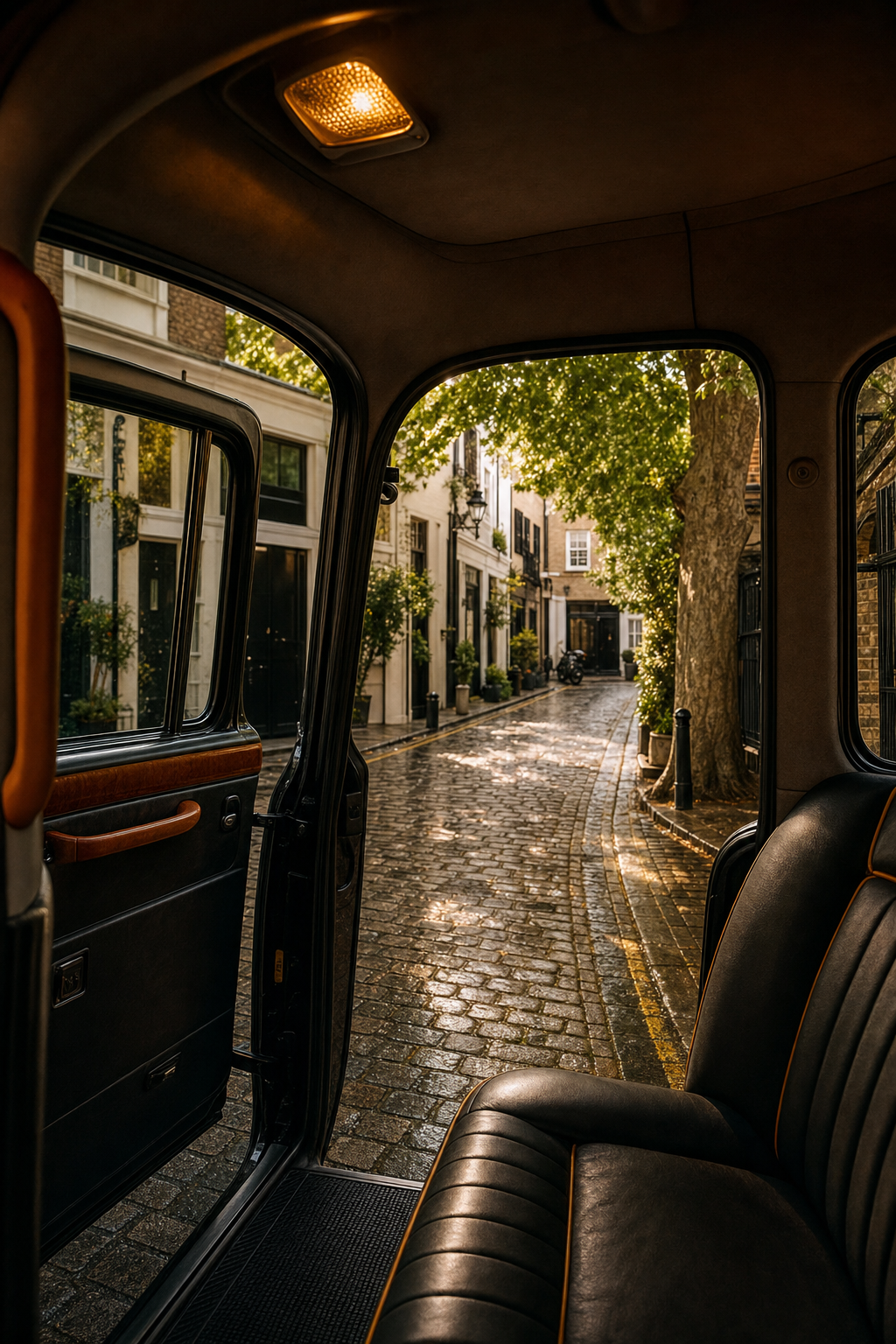
Our journey begins south of the Thames in Southwark, an area once outside the City's jurisdiction and home to London’s most visceral storytelling. The George Inn on Borough High Street serves as a foundational stop for any London literary tour black cab experience. As the capital’s last remaining galleried coaching inn, it provides a physical link to the era of Geoffrey Chaucer. While the original Tabard Inn, the assembly point for the pilgrims in The Canterbury Tales, stood just next door, The George retains the medieval atmosphere and timbered charm that Charles Dickens later praised in his own journals.
A short drive through the labyrinthine streets of Bankside brings us to the Globe Theatre. This area was the epicenter of Shakespeare’s London, a place of rowdy playhouses and bear-baiting pits that defined the city’s early creative energy. Navigating these narrow, historic lanes requires the precision of a professional driver who knows exactly where to pull over for the best view of the reconstructed "Wooden O."
This gritty, vibrant literary history offers a sharp contrast to the refined West End salons we will visit later in the day. Our customizable history tours ensure you spend your time absorbing the riverside atmosphere and local lore rather than deciphering complex one-way systems or pedestrianized zones near the Thames.
Fleet Street and the Ghost of Charles Dickens
Crossing the river into the City of London brings us to Fleet Street, the historic bedrock of British journalism and the legal profession. This area is saturated with the spirit of Charles Dickens, who famously paced these streets at night to cure his insomnia. These twenty mile nocturnal excursions through the foggy, gas lit labyrinths of the City provided the grim, atmospheric details found in Oliver Twist and Great Expectations. Dickens absorbed the shadows of the counting houses and the desperate energy of the riverfront, weaving them into the very fabric of his prose.
One of the most evocative stops on a London literary tour black cab is Ye Olde Cheshire Cheese. Tucked away down Wine Office Court, this 17th century pub was a sanctuary for Dickens, Sir Arthur Conan Doyle, and Dr. Samuel Johnson. While walking tours often struggle to keep groups together in these cramped, soot stained alleyways, a private cab can stop exactly at the entrance of these hidden courts. We can navigate the narrow entrances that larger vehicles cannot, allowing you to step out directly into a space that has remained largely unchanged since the Victorian era.
A short drive north leads to 48 Doughty Street, the site of the Charles Dickens Museum. In this Georgian terraced house, Dickens penned Oliver Twist and The Pickwick Papers. Because our customizable history tours are inherently flexible, we can transition from the journalistic bustle of Fleet Street to the quieter residential streets of Bloomsbury in minutes. For those using our Arrive and Explore service after a long flight, this segment of the London History Tour provides a seamless introduction to the city's narrative heart without the exhaustion of navigating the pavement on foot.
The Intellectual Heart: Virginia Woolf and the Bloomsbury Group
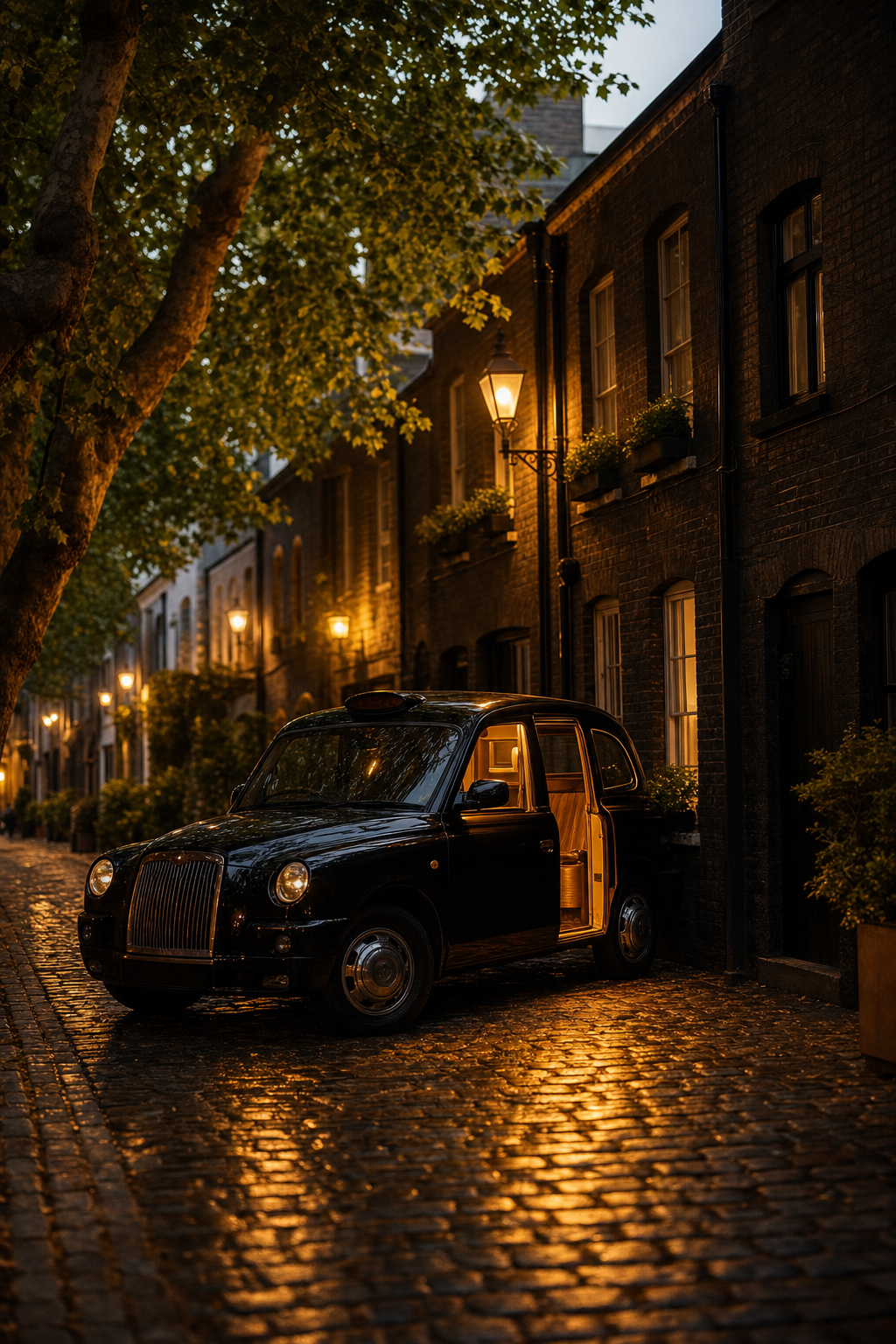
Leaving the Dickensian shadows of the City behind, your London literary tour black cab glides into the verdant, orderly squares of Bloomsbury. This neighborhood represents the intellectual shift of the early 20th century, trading the gritty realism of the Victorian era for modernist experimentation. At 46 Gordon Square, blue plaques mark the former residence of Virginia Woolf and her sister, Vanessa Bell. This house served as the primary meeting place for the Bloomsbury Group, where writers and artists gathered to challenge the rigid social conventions of their time.
Visitors frequently inquire about what famous people live in Bloomsbury, or rather, the titans who defined its history. While today the area is a hub for academics and students, its historical roster is peerless. T.S. Eliot spent decades working at the Faber & Faber offices on Russell Square, while the Pre-Raphaelite Brotherhood, including Dante Gabriel Rossetti, established deep roots in these terraced streets.
Our customizable history tours allow for a contemplative pace through Gordon, Tavistock, and Mecklenburgh Squares. The quiet, tree lined streets offer a profound contrast to the frantic energy of Fleet Street. By integrating these leafy retreats into your London History Tour, you experience the same tranquility that fostered some of the most influential modernist literature. This segment is particularly effective for an Arrive and Explore itinerary, providing a serene environment to recalibrate while moving through the heart of literary London.
Solving Mysteries at 221B Baker Street and Beyond
From the quiet squares of Bloomsbury, a short drive northwest leads to Marylebone, the territory of Sir Arthur Conan Doyle’s most famous creation. A London literary tour black cab provides the perfect vantage point for reaching 221B Baker Street. While the Sherlock Holmes Museum is the primary draw for many, our customizable history tours dig deeper into the Victorian fog of the Great Detective’s world. We can pause at the Langham Hotel on Portland Place, where Conan Doyle famously dined with Oscar Wilde. This single evening resulted in the commission of both The Sign of Four and The Picture of Dorian Gray.
Standard walking tours often overlook the Diogenes Club locations near Pall Mall or the medical landmarks around Wimpole Street that informed Doyle’s own life as a physician. Because your driver can navigate the intricate backstreets of the West End, you can see the niche spots where fiction and history blur. For those on an Arrive and Explore journey, this section of the London History Tour offers a thrilling transition from the academic air of Bloomsbury to the suspenseful mysteries of the West End.
Modern London: From Fitzrovia's Pubs to Zadie Smith's Willesden
Leaving the Victorian mysteries of Marylebone, we head into Fitzrovia to explore London’s mid-century bohemian spirit. A stop at The Wheatsheaf on Rathbone Place puts you in the footsteps of George Orwell and Dylan Thomas, who famously frequented this corner of the city. While many tours stop at the 19th century, a London literary tour black cab provides the mobility to bridge the gap between historical London and the contemporary masterpieces that define the city today.
We then travel further northwest to Willesden Green, the heart of Zadie Smith’s celebrated debut, White Teeth. This area represents the multicultural, vibrant pulse of modern London, a setting that is often ignored by standard central London itineraries. Seeing the landmarks of the NW2 and NW10 postcodes offers a raw, authentic look at the streets that shaped Smith’s narrative of immigration and identity. This journey illustrates the unique flexibility of our customizable history tours. We can move from the medieval pilgrims of Southwark to the 21st century bustle of Willesden in a single afternoon. For those opting for an Arrive and Explore package, this extended range ensures your London History Tour captures the full, evolving story of the capital, not just its ancient highlights.
Customizing Your Literary Itinerary: From Pubs to Poet's Corner
The defining advantage of a London literary tour black cab is the total control you have over the narrative flow of the day. If your interests lean toward the social lives of writers, we can curate a route focused on "Literary Drinking Dens." This might include a stop at The Spaniards Inn in Hampstead, where John Keats allegedly penned "Ode to a Nightingale" in the garden, or a visit to The Coach & Horses in Soho to discuss the mid-century satire of the Private Eye circle. These locations are often tucked away in residential or busy nightlife districts where parking is impossible for standard cars, but a black cab offers effortless, legal access to the front door.
Alternatively, your London History Tour can take a more somber, reverent tone with a visit to Poet’s Corner in Westminster Abbey. Here, you can stand among the memorials of Chaucer, Dickens, and Hardy. This flexibility is the core of our customizable history tours, allowing you to prioritize the specific eras or genres that fill your own bookshelves. For international travelers, the Arrive and Explore service is a practical way to manage the gap between a morning flight arrival and a late afternoon hotel check-in. We can collect you from the airport and transition immediately into your literary itinerary, ensuring your first hours in the capital are spent at the Keats House museum or Samuel Johnson’s residence rather than in a transit lounge.
Exploring London through the lens of its greatest writers offers a unique perspective on the city, blending history with the magic of storytelling. From the medieval paths of Chaucer to the modern neighborhoods featured in Smith, every corner has a tale to tell. If you want expert help designing your own literary journey, our team is ready to assist. You can learn more about our approach to curated travel, ensuring your next visit to the capital is as enriching and seamless as the stories themselves.